Pakistan Declares 'Open War' with Afghanistan as Border Clashes Intensify
Pakistan's Defense Minister Khawaja Mohammad Asif has stated that the nation is now in a state of "open war" with Afghanistan, following a significant escalation in armed confrontations along their shared border. This development represents the most severe military engagement between the two uneasy neighbours since a Qatari-mediated ceasefire was established in October of last year.
Historical Context and Recent Escalation
The relationship between Afghanistan and Pakistan is deeply rooted in a complex history dating back to Pakistan's formation in 1947. Despite traditional social, ethnic, and economic connections, ties have frequently been volatile, often deteriorating into armed conflict. In recent months, sporadic skirmishes have occurred along the porous frontier, but the latest incidents are by far the most serious.
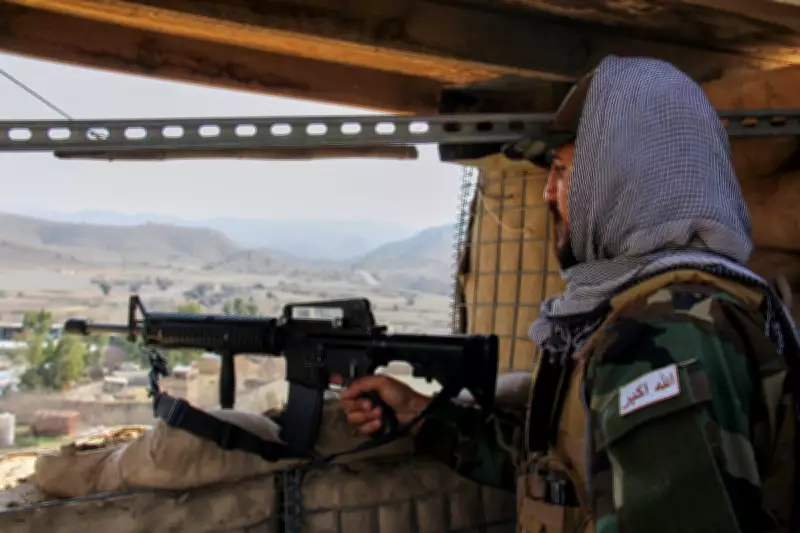
On Thursday night, Afghanistan launched an extensive cross-border attack into Pakistan across six provinces, which it described as retaliation for Pakistani airstrikes on Afghan territory the previous Sunday. Pakistan had asserted that those strikes targeted and eliminated dozens of militants, but Kabul countered that only civilians, including women and children, were killed. In response, Pakistan conducted airstrikes early Friday on the Afghan capital, Kabul, as well as Kandahar and Paktia regions. Border fighting, which had temporarily ceased, resumed and continued throughout Friday.

Role of Militant Groups and Regional Tensions
Pakistan has experienced a sharp increase in militant violence in recent years, including suicide bombings and coordinated assaults on security forces. Pakistani authorities attribute many of these attacks to the Pakistani Taliban, known as Tehrik-e-Taliban Pakistan (TTP), and accuse Afghanistan of providing safe haven for the group within its borders. Kabul denies these allegations, maintaining that it does not permit any entity to use Afghan soil for attacks against other countries, including Pakistan.
The TTP, formed in 2007, unites various outlawed groups opposed to Pakistan and supportive of the Afghan Taliban. Designated as a terrorist organization by the United Nations and the United States, it advocates for stricter Islamic laws, the release of imprisoned members, and reduced Pakistani military presence in Khyber Pakhtunkhwa province. Although separate, the TTP is closely allied with the Afghan Taliban, which regained power in Afghanistan in 2021, further straining bilateral relations.
Border Disputes and Diplomatic Efforts
Tensions are concentrated along the 2,611-kilometer Durand Line, established in 1893 and internationally recognized as Pakistan's western border, though Afghanistan does not acknowledge it. Both nations frequently accuse each other of ignoring Islamic militants operating in this area. Simmering tensions peaked last year with deadly clashes, leading to a Qatari-mediated ceasefire in October, but subsequent strikes and skirmishes have resulted in dozens of deaths, with conflicting casualty reports from both sides.
Peace talks in Istanbul during November failed to achieve a long-term resolution. Additionally, tensions have been exacerbated by Pakistan's mass deportation of Afghan refugees, affecting over two million individuals, many of whom were born in Pakistan. Iran has also conducted expulsions, straining resources in Afghanistan.
International Concerns and Calls for Diplomacy
The conflict has alarmed the international community, particularly given the presence of other militant groups like al-Qaida and the Islamic State in the region. In October, Turkey, Qatar, and Saudi Arabia facilitated talks between the parties, with former U.S. President Donald Trump expressing intent to resolve the conflict swiftly. On Friday, Turkish Foreign Minister Hakan Fidan engaged in discussions with counterparts from Pakistan, Afghanistan, Qatar, and Saudi Arabia. Russia has called for an immediate cessation of hostilities and a diplomatic solution, while Iran has offered to assist in facilitating dialogue.
This escalating situation underscores the fragile state of relations between Afghanistan and Pakistan, with potential implications for regional stability and security.