Amy Winehouse's Ex-Husband Denies Responsibility for Her Tragic Death
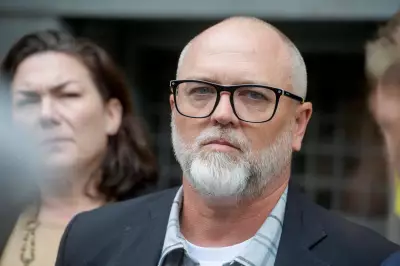
In a deeply personal and revealing interview, Blake Fielder-Civil, the former husband of late pop icon Amy Winehouse, has firmly rejected the long-held belief that he is responsible for her untimely death. Speaking on Paul C. Brunson's We Need To Talk podcast, the 43-year-old acknowledged having a 'part to play' in her battle with drug addiction but insisted he does not bear the blame for her passing.
The Tragic Circumstances of Winehouse's Death
Amy Winehouse was found dead at her Camden home in 2011 at the age of 27, after years of struggling with drug and alcohol dependency, anxiety, and alcohol withdrawal. Two inquests concluded that her blood-alcohol content was five times over the legal drink-drive limit, with her cause of death recorded as accidental alcohol poisoning. Despite her global success, including a Grammy award-winning album, her life was marred by addiction issues that led to multiple interventions by her family.
Fielder-Civil's Stance on Responsibility
Fielder-Civil addressed the widespread media narrative that Winehouse's substance abuse began with their relationship, which started with a chance meeting in a Camden pub and led to a whirlwind marriage on Miami Beach in 2007. 'My stance now is that I know a lot of people, especially people reading media twenty years ago, would have an idea that Amy's passing is my responsibility,' he said. 'As I've always said - I never shirk from any responsibility. If I've done something, I'll put my hand up to it, but I'm okay. I'm not okay but I've made my peace with... yeah, I had a part to play.'
Defending His Role in Her Addiction
While Fielder-Civil admitted introducing Winehouse to heroin in the mid-2000s, he argued that she was already experimenting with drugs, specifically cocaine, before they met. 'Amy had started trying cocaine with their ex-partner,' he told Brunson. 'There are pictures of Amy at the BRITs with, you know, as they do ‘powder up the nose’, and, yeah, it was known. It was known that Amy had experimented with drugs and it was nothing to do with me.' He described the heroin use as a shared experience, stating it was his sixth time when she first tried it, and emphasized he never encouraged her addiction.
Winehouse's Agency and Their Relationship Dynamics
Fielder-Civil believes Winehouse herself held agency in her actions, noting that she continued drinking despite knowing it was harming her. 'Amy herself had agency, and that is in no way at all disrespecting her by saying that, but Amy did what she wanted to do and even knowing the drinking had started to hurt her, she carried on,' he explained. Their tumultuous, co-dependent relationship was famously documented on her album Back To Black, and they divorced in 2009, two years before her death.
The Aftermath and Personal Reflections
At the time of Winehouse's death, Fielder-Civil was serving a 32-month prison sentence at HMP Leeds for domestic burglary and firearm offenses. He recalled being informed by prison staff and initially hoping it was a hoax. 'My first thought was, this is my worst nightmare, it's not true. So as my brain was grasping at it'll be a hoax,' he said. Tragically, they had spoken just days earlier about potentially reconciling. He described breaking down in his cell, supported by a cellmate, as he grappled with the loss of 'this massive, huge part of my life.'
Legacy and Moving Forward
Fielder-Civil reflected on his own struggles with addiction, which intensified after Winehouse's death, and his fears for her well-being. 'I had this massive fear that something's going to happen to her if I'm not about,' he said, adding that he now leads a happy life but believes they would have remained in each other's lives. The full interview, offering a raw insight into their relationship and its aftermath, is available on the latest episode of We Need To Talk podcast on YouTube.