Azerbaijan Accuses Iran of Drone Attack on Nakhchivan Airport
Azerbaijan has formally accused Iran of conducting a drone attack on an airport in the Nakhchivan region, resulting in injuries to two civilians. The strike targeted the terminal building at the sole airport in Nakhchivan, an Azerbaijani exclave that shares a border with Iran. According to Azerbaijan's foreign ministry, a second drone was reported to have fallen near a school in a nearby village, though no additional casualties were confirmed.
Iran Denies Responsibility Amid Escalating Tensions
Iran has swiftly denied any involvement in the drone attack, with Deputy Foreign Minister Kazem Gharibabadi stating, "The Islamic Republic of Iran has not targeted the Republic of Azerbaijan. We do not target our neighbouring countries." This denial was broadcast via Iran's Tasnim news agency, but it has done little to quell the rising diplomatic friction between the two nations.
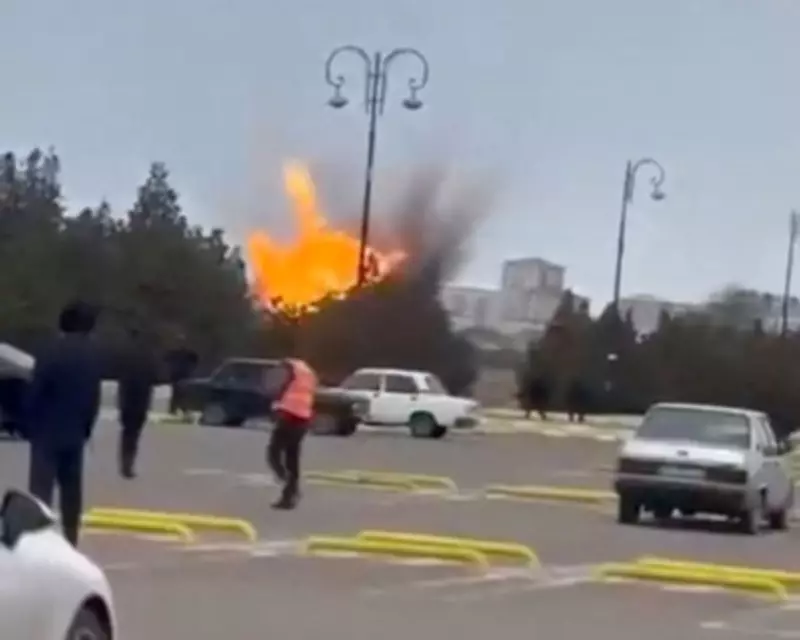
Footage circulating on social media appears to show a drone directly striking the airport before a fire erupted. The Azerbaijani foreign ministry has demanded that Iran provide an urgent explanation and take measures to prevent such incidents from recurring in the future.
Strategic Implications and Regional Concerns
This incident marks a potential escalation, as it would be the first Iranian attack on a Caucasus state since the onset of the US-Israel war on Iran. It raises the prospect of the conflict spreading beyond the Middle East, with significant implications for regional stability. Azerbaijan, an oil-rich nation with a neutral stance in the Middle East conflict, has been strengthening ties with Israel and moving away from Moscow's influence.
Zaur Shiriyev, a non-resident scholar at the Carnegie Endowment for International Peace, noted that while it remains unclear whether Iran specifically intended to strike the airport, such an attack on critical infrastructure would be a serious incident that is difficult to dismiss as accidental.
Timing and Diplomatic Context
The timing of the apparent strike is particularly notable, occurring just one day after Azerbaijan's President Ilham Aliyev visited the Iranian embassy in Baku to offer condolences over the death of Supreme Leader Ali Khamenei. Despite this gesture, growing military cooperation between Azerbaijan and Israel has caused increasing friction with Tehran.
Both countries share a majority Shia Muslim population, and Iran is home to millions of ethnic Azeris, many residing in provinces bordering Azerbaijan. This complex relationship has historically been pragmatic, but the drone attack threatens to undermine that stability.
Broader Regional and Global Consequences
The drone incident is likely to heighten tensions across the Caucasus, where Armenia, Azerbaijan, and Georgia have all proclaimed neutrality in the wider conflict. There are fears that further escalation could lead to a migration crisis, with refugees potentially fleeing north across borders if the Iranian state faces collapse.
Moreover, additional attacks on Azerbaijan could disrupt global air travel, as the country's airspace has become a crucial corridor for flights between Asia and Europe, especially those avoiding Russian airspace. Possible Iranian targets in Azerbaijan might include the Baku-Tbilisi-Ceyhan pipeline, which supplies a significant portion of Israel's oil imports.
Retaliatory Threats and Turkish Dilemma
Azerbaijan has reserved the right to take retaliatory measures, which could place Turkey in a difficult position. Ankara maintains diplomatic and trade relations with Tehran but is also bound by close strategic and military ties with Baku, including mutual defence agreements that pledge military support in case of armed aggression.
As the situation develops, the international community watches closely, concerned about the potential for further violence and its impact on regional and global stability.