Bafta N-Word Incident Sparks Debate on Disability and Racial Sensitivity
The 2026 Bafta Film Awards ceremony at London's Royal Albert Hall was marred by controversy when a racial slur was shouted during the live event, sparking a complex debate about disability, racial sensitivity, and media responsibility.
The Incident and Immediate Fallout
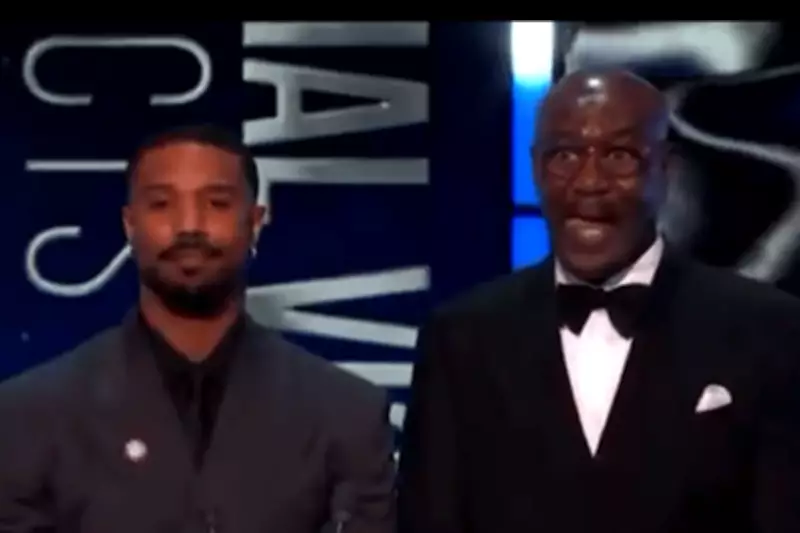
During the prestigious awards ceremony, Black Hollywood actors Delroy Lindo and Michael B Jordan took to the stage to present an award for their vampire film Sinners. As they prepared to announce the winner, the N-word echoed through the historic venue, causing visible shock to both actors. The source was identified as John Davidson, a Tourette's campaigner in attendance as part of a delegation for the film I Swear, which documents his life growing up in Scotland with coprolalia.
Coprolalia is a symptom of Tourette's syndrome that causes involuntary utterance of expletives and socially inappropriate words. Despite host Alan Cumming's warning at the beginning of the ceremony that someone with Tourette's was present and outbursts might occur, the incident created immediate controversy when broadcast on BBC One with a two-hour delay.

Reactions and Apologies
The Bafta film academy issued an apology to the affected actors, as did the BBC for broadcasting what they termed "strong and offensive language" during a Sunday night broadcast. However, reactions from the Black community and entertainment industry figures revealed deeper concerns about how the situation was handled.
Black actor Jamie Foxx called the moment "unacceptable" on social media, questioning why Tourette's would specifically cause that particular word to be uttered. He later suggested the outburst might have been intentional, though medical experts confirm coprolalia involves involuntary speech without reflecting a person's true feelings or character.
Hannah Beachler, production designer for Sinners, criticized what she called the BBC's "throwaway 'if you were offended' apology," arguing it worsened the situation by failing to properly acknowledge the impact on Black viewers and participants.
Media Responsibility Questions
Significant questions have emerged about the BBC's editorial decisions. Given the two-hour delay between the live event and broadcast, many have questioned why Davidson's remark wasn't bleeped out or edited entirely, particularly since Nigerian filmmaker Akinola Davies Jr's political statement "Free Palestine!" was removed from the broadcast.
After the incident aired, Cumming felt compelled to offer additional explanation: "Tourette's syndrome is a disability, and the tics you've heard tonight are involuntary, which means the person who has Tourette's syndrome has no control over their language. We apologise if you are offended tonight."
This conditional apology drew criticism for what many perceived as insufficient acknowledgment of the racial harm caused, despite the involuntary nature of the utterance.
Broader Implications and Missed Opportunities
The incident has highlighted tensions between disability awareness and racial sensitivity, with some African-American commentators questioning why the N-word would be in the vocabulary of someone raised in Scotland. Disability campaigner @Olas_Truth asked on social media: "Why is the N-word even in your vocabulary or one of your tics?"
However, as commentator Ava Vidal notes in her analysis, this perspective overlooks both the neurological nature of coprolalia and the existence of Black communities in Scotland. The controversy has unfortunately pitted two marginalized groups against each other rather than fostering understanding.
Vidal points out the particular irony that Sinners—the film Lindo and Jordan were promoting—uses vampires as metaphors for systemic racism, colonialism, and white supremacy in the 1930s American South, making the incident's racial dimensions particularly poignant.

Disability Discrimination and Racial Dimensions
The situation has revealed how Black people with neurological conditions face double discrimination. As Vidal observes, Black individuals with autism or ADHD are often dismissed as difficult or rude, and those with Tourette's face similar prejudice. The incident could have served as an opportunity to advocate for Black people who share Davidson's condition but instead has created division.
Some extreme reactions have included suggestions that Davidson should have been placed in a soundproofed box during the ceremony—a proposal that disability advocates note echoes segregation practices that should be particularly troubling to communities familiar with such histories.
Aftermath and Ongoing Impact
Davidson did not appear at the Bafta winners' press conference, presumably to protect him from difficult questions. The BBC has since pulled its coverage from iPlayer, and the incident continues to generate discussion about how society navigates the intersection of disability rights and racial sensitivity.
As the dust settles, the fundamental question remains: How do we balance understanding of involuntary neurological conditions with acknowledgment of the profound racial harm caused by certain language, regardless of intent? The Bafta incident has exposed how unprepared institutions and society remain for navigating these complex intersections of identity, disability, and historical trauma.