Bahrain's UN Resolution for Strait of Hormuz Faces Opposition Over Military Threat
A United Nations Security Council resolution, proposed by Bahrain, that calls for countries to employ "all necessary means" to ensure the Strait of Hormuz remains open is encountering significant opposition. The draft text, obtained by The Associated Press, is facing resistance primarily because it raises the possibility of UN-backed military action against Iran, according to three council diplomats speaking anonymously.
Proposal Details and Regional Context
The draft resolution explicitly authorises countries or naval partnerships to take military action to secure passage through the strait. It aims "to repress, neutralise and deter attempts to close, obstruct or otherwise interfere with international navigation through the Strait of Hormuz." Additionally, it demands that Iran "immediately cease all attacks against merchant and commercial vessels" and halt any impediments to freedom of navigation in and around this vital waterway.
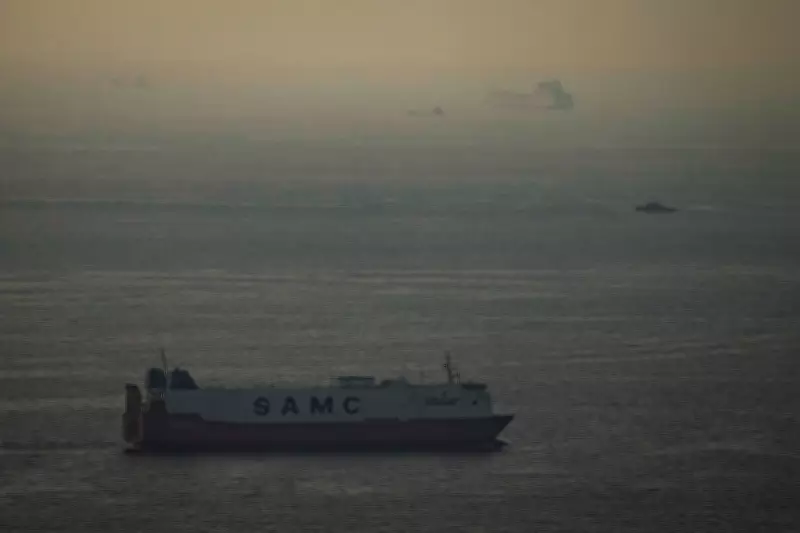
Bahrain, serving as the Arab representative on the UN's most powerful body, put forward this proposal as global powers struggle to address Iran's effective closure of the strait. This blockade has caused fuel prices to skyrocket and poses a severe threat to the world economy. The strait connects the Persian Gulf to global markets, with roughly one-fifth of the world's oil supply typically passing through, but attacks on ships have nearly halted all tanker traffic.

Opposition and Diplomatic Maneuvering
One diplomat revealed that the draft was being reworked after several countries expressed concerns about it being placed under Chapter Seven of the UN Charter. This chapter allows the Security Council to authorise actions ranging from sanctions to the use of force, making the resolution particularly contentious.
China and Russia, both veto-wielding members of the 15-member council, are among the nations opposed to the current text, according to one diplomat. In contrast, France introduced a separate resolution on Monday that makes no mention of Iran and would not fall under Chapter Seven. The French text urges all parties to refrain from further escalation and return to diplomatic solutions, though the French mission to the UN has not commented publicly.
It remains unclear whether the United States, which holds the council presidency this month, supports Bahrain's measure. US envoy Mike Waltz has previously stated America's preference for regional leadership on this issue. The US initially pursued a diplomatic solution last week when President Donald Trump called for a new international coalition to send warships to the strait, but close allies declined, leading Trump to suggest the US might act alone or that other countries would need to take over.
Broader Implications and Historical Precedent
Given the disagreements, it is unlikely that either draft resolution will be put to a vote this week. This situation follows a separate Bahrain resolution two weeks ago that condemned Iranian strikes on its territory, which received near-unanimous support from the council, with China and Russia abstaining.
Bahrain is one of numerous regional countries targeted by Iranian drones or missiles since the US and Israel began striking Iran on February 28. During the conflict, Iran has effectively closed the Strait of Hormuz while claiming it allows safe passage for vessels from countries other than its enemies.
The ongoing stalemate highlights the complex geopolitical tensions surrounding the strait, with the draft resolution's emphasis on military options sparking fears of further escalation. As diplomatic efforts continue, the global community watches closely, aware that the outcome could significantly impact international trade, energy security, and economic stability worldwide.