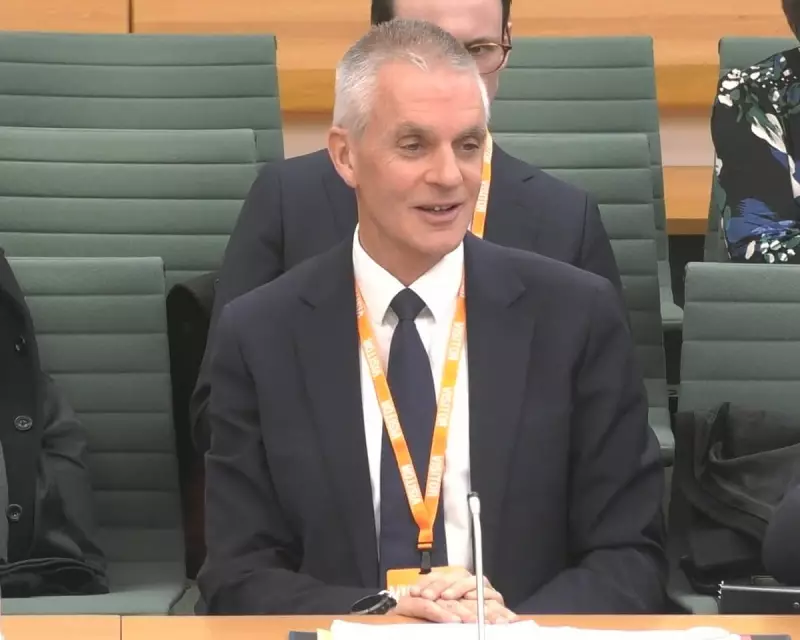
BBC Director General Tim Davie has firmly rejected calls to withdraw the broadcaster from the social media platform X, formerly Twitter, arguing its presence is vital to counter a deluge of state-sponsored disinformation targeting global audiences.
Standing Firm Against Pressure to Leave
Appearing before the Commons Public Accounts Committee, Davie acknowledged facing significant pressure to quit the Elon Musk-owned site. This pressure stems from concerns over the platform's perceived political shift and a recent scandal involving its Grok AI tool, which generated digitally altered, explicit images of women and children.
Despite this, Davie was unequivocal. "I have quite a lot of pressure to remove the BBC from X," he told MPs. "By the way, that is not what I’ll be doing because we need to be on these platforms." He stressed the necessity of providing quality information to social media users, particularly to reach younger demographics who are vulnerable to misleading content.
His stance puts him at odds with some political figures. Labour's Shadow Transport Secretary, Louise Haigh, recently announced she was leaving X, describing it as "utterly unusable" and urging public bodies like the BBC to follow suit due to the platform's handling of illegal content.
The Global Battle for Truth
Davie framed the issue as a critical geopolitical struggle. He warned that disinformation and misinformation are now "utterly rife" as nations invest heavily in media to advance their strategic goals. "The stakes – in my lifetime – have never been higher," he stated.
He specifically named Russia, China, and Iran as actors spending billions to "flood the zone" with content. This aggressive investment has, in some regions, significantly increased trust in their state-backed broadcasters, creating a challenging environment for independent news outlets.
This context underpins the BBC's push for tens of millions in extra funding for the World Service this year. Executives argue this is the bare minimum required to maintain current service levels after previous cuts, which resulted in over 100 job losses. Fiona Crack, Controller of the World Service, revealed that a fifth of its language services already face "hostile interference," including internet throttling designed to disrupt broadcasts.
Leadership and Regulatory Scrutiny
The hearing took place as Davie prepares to step down; he resigned in November, though a successor has not yet been appointed. Meanwhile, political scrutiny of X is intensifying. Labour leader Sir Keir Starmer condemned the Grok AI scandal as "disgraceful" and "disgusting," stating he had asked regulator Ofcom to consider all options in dealing with the platform.
Jonathan Munro, interim head of BBC News, echoed the grave tone, suggesting the world is in the "space between peace and war," a phrase recently used by the new head of MI6. This, he argued, makes the mission to spread reliable information more crucial than ever.
The debate in Westminster continues, balancing the platform's reach against its growing controversies. For the BBC's leadership, the calculation is clear: abandoning X would cede the digital battlefield to adversaries at a time when factual, trustworthy journalism is under unprecedented assault.