Belgium and France Seize Russian Shadow Fleet Tanker in North Sea Operation
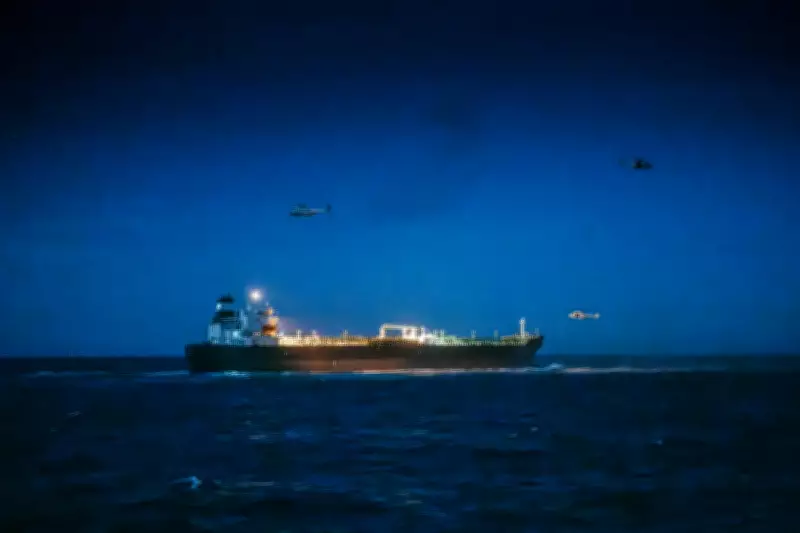
Belgian forces, with assistance from the French navy, have seized a suspected Russian shadow fleet oil tanker in the North Sea. The operation, which took place on Sunday, targeted the vessel named Ethera, which had long been on sanctions lists from the US, EU, and UK.
Defence Minister Theo Francken stated that the tanker was believed to be sailing with a false flag and false documents. Following the interception, the vessel was escorted to the port of Zeebrugge. Francken emphasised the strategic importance of the seizure, declaring, "Without his shadow fleet Putin can't wage war against innocent Ukrainians. So we take these vessels out. One by one. Till his war of aggression stops."
Western Leaders Hail the Seizure as a Critical Blow
French President Emmanuel Macron described the seizure as a major blow to Russia's shadow fleet, highlighting the role of French navy helicopters in the operation. He asserted, "Europeans are determined to cut off the sources of funding for Russia's war of aggression in Ukraine by enforcing sanctions."

Ukrainian President Volodymyr Zelensky praised the decisive decision by Belgian and French forces. He remarked, "Russia operates like a mafia organisation, and the response must match that reality." Zelensky further called for modernised European legislation to not only stop but seize such tankers, repurposing their oil for Europe's security.
Background on the Shadow Fleet and Broader Conflict
The rise of a shadow fleet of tankers has been a direct consequence of Western sanctions imposed on Russia, aimed at helping Moscow maintain its crude exports. This seizure is part of broader efforts to disrupt Russia's war economy.
In related developments, Zelensky addressed other critical issues in his nightly video address. He called for changes in Iran, brought about by US and Israeli strikes, to be used properly to benefit the Iranian people, who have faced violence from their authorities. He noted that Iran's regime has killed tens of thousands of its own citizens in recent months and has fueled regional conflicts.
Updates on Peace Talks and Military Support
Zelensky indicated that the timing and location of the next round of peace talks between the US, Russia, and Ukraine would depend on the security situation in the Middle East and diplomatic possibilities. He plans to issue new directives to Ukraine's negotiating team, though details remain undisclosed.
Meanwhile, UK Prime Minister Keir Starmer announced that Ukraine's expertise in countering drones will be leveraged in the Middle East conflict. Ukrainian experts will provide guidance on intercepting Iranian drones, with Starmer stating, "We are not joining these strikes, but we will continue with our defensive actions in the region."
Casualty Figures and Winter Resilience
The Ukrainian defence ministry reported that Russia has suffered an estimated 1,266,770 troop casualties since the invasion began in 2022, including 870 in the past day. Additionally, Russia has lost significant military equipment, such as tanks and armoured vehicles.
Zelensky highlighted Ukraine's resilience over a harsh winter, during which Russia launched over 14,670 guided aerial bombs, 738 missiles, and nearly 19,000 attack drones. He praised the determination of Ukrainians and international partners, stating, "Evil must be confronted in every part of the world."
Record Missile Attacks and Technological Backbone
February saw a record number of missile attacks on Ukraine, with Russia firing 288 missiles, a 113% increase from January. This surpasses the previous record set in October 2025.
Amid these challenges, technology like Starlink has become a backbone for Ukraine's war efforts, supporting communication and coordination in the face of relentless assaults.