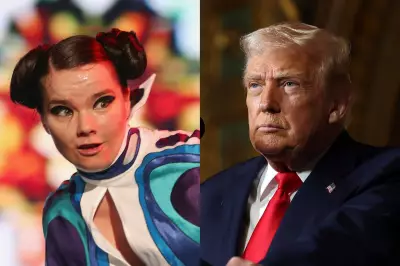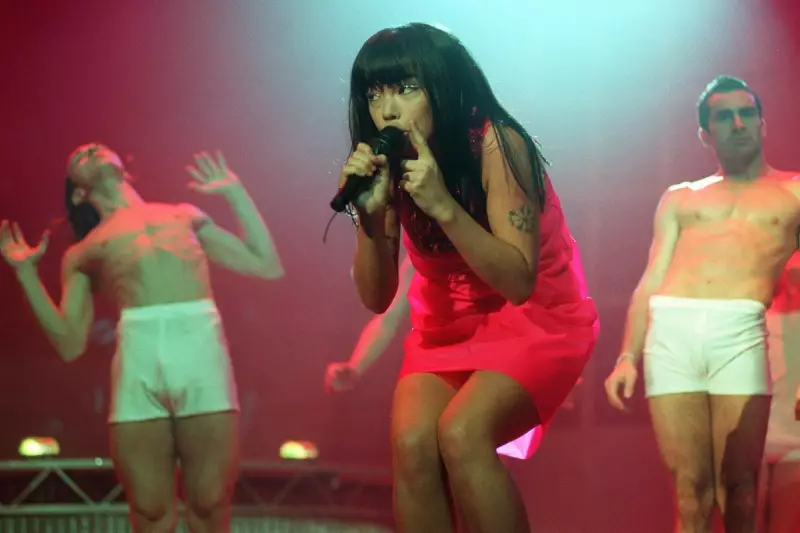
Icelandic music legend Björk has made a powerful intervention in international affairs, publicly urging Greenland to declare its independence from Denmark. This call comes in direct response to renewed threats from former US President Donald Trump to annex the vast Arctic island.
From One Coloniser to Another?
Björk expressed deep concern that Greenland could simply transition from one form of colonial control to another. She pointed to the historical precedent of her own nation, Iceland, which successfully gained full independence from Denmark in 1944.
The singer did not shy away from criticising Denmark's historical record in Greenland. She specifically referenced controversial and damaging policies, including forced IUD campaigns imposed on Indigenous Inuit women and allegations of biased parental competency tests that resulted in the separation of Greenlandic families.
The Complex Reality of Greenland's Status
Greenland's current political status is one of extensive self-government within the Kingdom of Denmark. However, it remains heavily dependent on Copenhagen for approximately half of its public budget and the management of its foreign and defence policies.
Crucially, the path to full sovereignty is legally available. Greenland possesses the right to hold a national referendum on independence whenever its parliament decides. The debate over taking this step has been intensified by external geopolitical interest.
Firm Rejection from Copenhagen and Nuuk
The renewed suggestion of a US purchase or annexation has been met with a unified and firm rebuttal from the Danish government and Greenland's own leaders. Denmark's Prime Minister, Mette Frederiksen, has explicitly confirmed that both nations have rejected Donald Trump's overtures.
Björk's statement amplifies a growing global conversation about post-colonial sovereignty in the Arctic, a region of increasing strategic importance. It frames the issue not just in terms of modern politics, but of historical justice and the right to self-determination for the island's indigenous population.