The bodies of 32 Cuban military officers, killed during a United States military operation in Venezuela, have been returned to Havana in a sombre ceremony that has heightened already severe diplomatic tensions.
A Solemn and Angry Homecoming
On Thursday, 15 January 2026, a solemn procession unfolded at Havana's airport. Cuban soldiers, clad in white gloves, carried the flag-draped caskets from an aircraft as trumpets and drums played. The remains belonged to colonels, lieutenants, majors, and captains, aged between 26 and 60, who were part of the security detail for Venezuelan President Nicolás Maduro.
The officers died during a US attack on Maduro's residence on 3 January. Thousands of Cubans lined one of the capital's iconic streets to pay their respects as the coffins passed. Hours before, state television showed more than a dozen wounded Cubans, described as "combatants", arriving back from Venezuela, some in wheelchairs, accompanied by Foreign Minister Bruno Rodríguez.
Escalating Threats from Washington
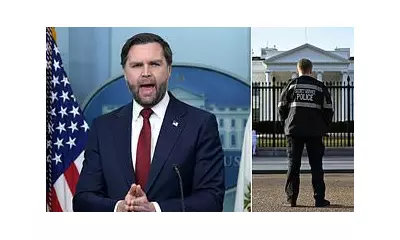
The repatriation occurs amid a sharp escalation in rhetoric from Washington. US President Donald Trump recently warned Cuba to make a deal with him before it is "too late", without specifying terms. He has also declared that Cuba will no longer be able to "live off" Venezuela's money and oil.
Experts caution that a sudden halt to subsidised Venezuelan oil shipments could prove catastrophic for Cuba, which is already grappling with severe blackouts and a failing power grid. The Cuban and Venezuelan governments maintain the presence of the uniformed personnel was part of longstanding protection agreements between the two allied nations.
Historical Echoes and Public Mourning
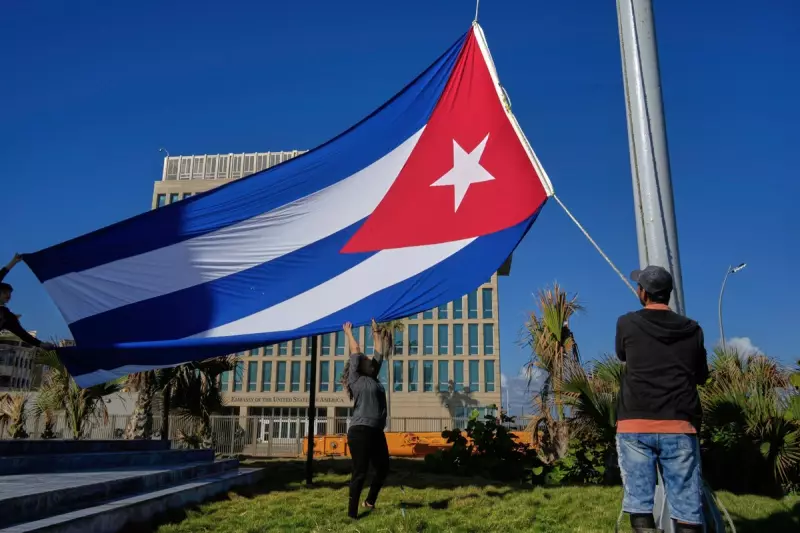
The public funeral is a rare event in recent Cuban history. The remains were placed at the Ministry of the Revolutionary Armed Forces headquarters near Revolution Square for public tribute. A massive demonstration is planned for Friday at the open-air Anti-Imperialist Tribune, opposite the US Embassy in Havana.
Analyst and former diplomat Carlos Alzugaray noted the public mood, stating, "People are upset and hurt... many do believe that the dead are martyrs" in the historic struggle against the United States. This marks one of the few state-organised funerals of this scale in almost half a century, with echoes of services for victims of the 1976 Cubana de Aviación bombing and the 1989 "Operation Tribute" for those killed in Angola.
The incident solidifies a dangerous new chapter in US-Cuba relations, with the loss of 32 lives becoming a potent symbol of national resistance and a focal point for escalating international conflict.