

BRIT Awards 2026: A New Era in Manchester with Female-Led Nominations
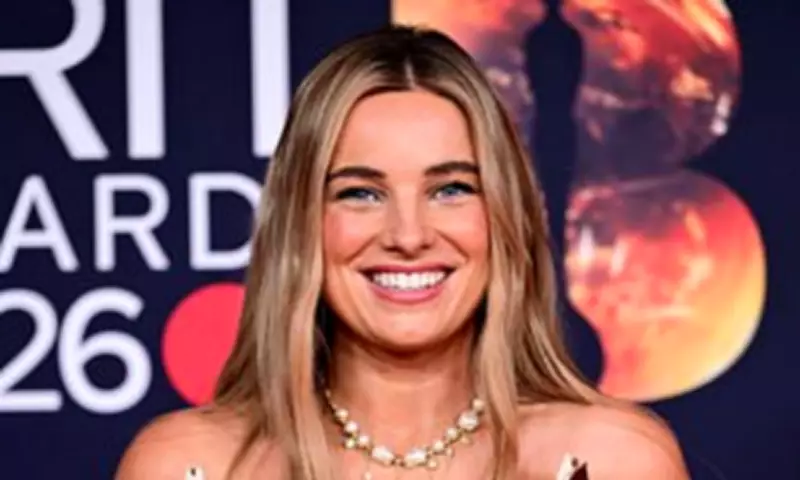
The 2026 BRIT Awards marked a historic shift as the ceremony moved to Manchester's Co-op Live Arena, breaking a long-standing tradition of being held in London. The star-studded event began with Capital radio host Sian Welby making a stunning entrance on the red carpet, setting the tone for a night of glamour and celebration.
Red Carpet Glamour and Fashion Highlights
Sian Welby, aged 39, captivated onlookers in an autumnal rust-coloured mini dress featuring a strapless corset bodice and a ruffled skirt. She elevated her look with platform champagne-coloured heels and accessorised with a chunky pearl necklace, beaming with confidence as she arrived first at the venue. Her leggy display highlighted the fashion-forward spirit of the awards, which saw numerous celebrities showcasing bold and elegant outfits.
Nominations and Gender Diversity Milestones
This year's BRIT Awards introduced significant changes, with 70% of nominations going to female or non-binary artists, a notable improvement from past criticisms over gender imbalance. In 2023, the Artist of the Year shortlist was entirely male, sparking backlash, but 2026 has reversed this trend. Leading the nominations are Lola Young and Olivia Dean, each with five nods, closely followed by Lily Allen, who received three nominations for her critically acclaimed album West End Girl.

Lily Allen's album chronicles the collapse of her marriage to David Harbour, adding a personal touch to her recognition. She will compete against Young and Dean for Artist of the Year, as well as for Album of the Year and Pop Act. Lola Young, aged 24, expressed her disbelief and gratitude, stating, 'Five BRIT nominations, how is this even possible? I've had this dream a thousand times.' Olivia Dean, aged 26, made history by becoming the first woman since Adele in 2021 to claim the UK's No. 1 single and album in the same week, with her song Man I Need and album The Art Of Loving.
Performances and Special Tributes
The ceremony featured memorable performances, including Olivia Dean, who shared her excitement about returning to Manchester after studying at The BRIT School. Raye, who holds the record for the most BRIT Awards won at a single ceremony with six wins last year, was announced as the final performer. In a touching segment, the late Ozzy Osbourne was honoured with the Lifetime Achievement Award, celebrated for his impact on rock music. A tribute performance led by Robbie Williams, curated by Ozzy's wife Sharon, included a rendition of No More Tears with musicians from Ozzy's band.
Venue Change and Industry Reactions
The move to Manchester signals a new era for the BRIT Awards, which had been held at London's O2 Arena since 2011. This shift aims to make the event more inclusive and accessible to audiences outside the capital. Jason Iley MBE, Chairman and CEO of Sony Music UK & Ireland, commented, 'Moving to Manchester, the home of some of the most iconic artists, will invigorate the show.' Andy Burnham, Mayor of Greater Manchester, added, 'It is great that this prestigious global event is about to arrive in the UK capital of music and culture.'
Key Nominees and Categories
The nominations reflect a diverse range of talent across genres. Notable nominees include:
- Artist of the Year: Dave, Lily Allen, Lola Young, Olivia Dean, and others.
- Group of the Year: Pulp, The Last Dinner Party, and Wolf Alice.
- Song of the Year: Public-voted entries from artists like Calvin Harris, Raye, and Sam Fender.
- International Categories: Stars such as Taylor Swift, Lady Gaga, and Sabrina Carpenter are recognised.
Comedian Jack Whitehall returned to host the ceremony for the sixth time, expressing his excitement about presenting in Manchester, where he began his comedy career. The event also saw nominations for British icons like Pulp and international acts like Netflix's KPop group HUNTR/X.

Conclusion: A Landmark Year for British Music
The 2026 BRIT Awards not only celebrated outstanding musical achievements but also embraced progress in gender diversity and geographical inclusivity. With a female-led nomination list and a move to Manchester, the ceremony set a precedent for future events, highlighting the vibrant and evolving landscape of the UK music industry. As the awards continue to evolve, they remain a pivotal platform for recognising talent and shaping cultural trends.





