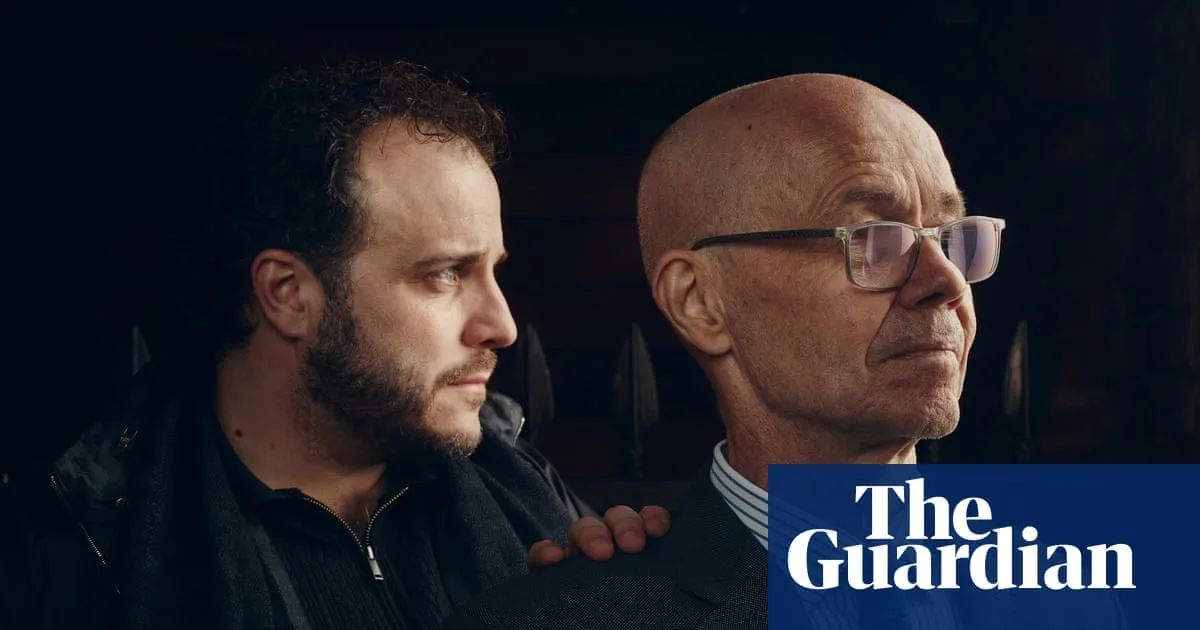
From Luxury to Lockup: A British Family's Dubai Nightmare
Albert Douglas, a 58-year-old British businessman, once cruised Dubai in a Rolls-Royce from his home on the Palm Jumeirah. By February 2021, he was creeping along a barbed-wire fence at the UAE-Omani border, fleeing authorities in a pickup truck with people smugglers. His son, Wolfgang Douglas, watched from London as gunshots crackled over a phone line before it went dead. Albert was captured, hooded, and taken to a cell where he says he was beaten and tortured.
A Business Dream Turns Sour
Albert moved to Dubai in the late 1990s, seeing it as a frontier of opportunity. From a Romany-Gypsy business family in Enfield, he built a wooden flooring company, CCS. In 2008, his son Wolfgang joined him, starting TimberWolf Flooring. They lived lavishly, with Wolfgang even caring for a pet tiger cub gifted by Dubai's ruler. However, Wolfgang struggled to recoup millions from government projects, leading to debt issues. In Dubai, debt is often criminalized, and defaults can result in imprisonment.
Wolfgang returned to the UK in 2019 for health treatment and was advised not to go back. Albert, believing in the system, returned in August 2019 and was arrested at Dubai airport. He faced a £2.5m fine and a three-year sentence over debts linked to Wolfgang's company, despite evidence his name was removed from relevant documents years prior.
The Failed Escape and Brutal Imprisonment
After a failed supreme court appeal, Albert planned an escape. Smugglers were paid £20,000 to cut a hole in the border fence, but UAE soldiers intercepted him. He was taken to Al Ain central prison, where guards beat him unconscious, breaking his shoulder. Albert spent years in prisons like Al Awir, sharing cells with up to 15 men in squalid conditions. He witnessed rape and suicides, and was deprived of medical care until UK media coverage intervened.
Wolfgang lobbied the UK Foreign Office for help, but received limited consular support. Officials seemed reluctant to challenge UAE authorities, even when evidence of torture emerged. Albert was visited only a handful of times over four years.
Broader Risks for Expats in the UAE
Dubai markets itself as a tax-free paradise, but the reality is stark. An estimated 250,000 British expats live in the UAE, many unaware of the risks. The legal system can weaponize debt against foreigners, with cases like Ryan Cornelius and Charles Ridley, jailed since 2008 over a fraud conviction, seeing assets seized worth $1.6bn. Influencers and expats face fines or imprisonment for sharing negative content, especially amid recent Middle East conflicts.
Successive UK governments have deepened economic ties with the UAE, a £23bn trade partner, but travel advice downplays dangers. A 2023 report highlighted concerns about the justice system's impact on non-Emiratis.
Release and Aftermath
Albert was pardoned in November 2023 but held until May 2025, when the UN declared his detention arbitrary and a human rights violation. He was deported to the UK in December 2025, suffering from PTSD and physical scars. The family seeks compensation for seized assets and updated travel warnings.
Wolfgang continues to campaign, noting that media pressure was key to Albert's release. Albert, now reconnecting with grandchildren, urges awareness for others still detained, like Cornelius and Ridley. Their story underscores the perilous gap between Dubai's glossy image and its harsh realities for foreigners.