Timothée Chalamet's Controversial Comments on Opera and Ballet
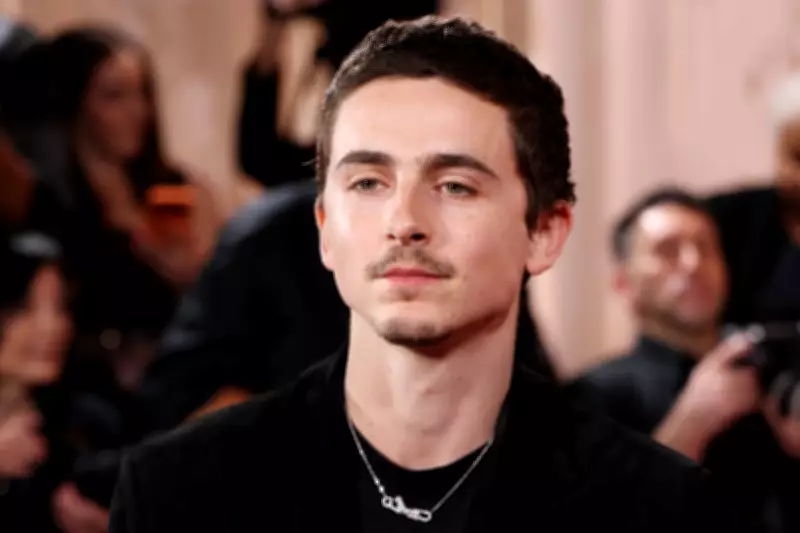
During a recent promotional interview for his film Marty Supreme, Oscar-nominated actor Timothée Chalamet made the provocative statement that "no one cares about" opera and ballet in contemporary society. This declaration, characterized by numerous media outlets as both a dismissive slight and a calculated swipe, has triggered immediate and widespread condemnation from prominent figures within the global arts community, as well as from major opera houses and ballet companies. The ensuing controversy has even led to speculation that the backlash could potentially impact Chalamet's prospects at the upcoming Academy Awards ceremony.
Why Have These Remarks Resonated So Deeply?
The intense reaction to Chalamet's comments raises significant questions. Is the sensitivity heightened by the fact that his mother and sister were both affiliated with the prestigious School of American Ballet? Alternatively, as dance critic Gia Kourlas suggested in a New York Times analysis, does this incident underscore a painful modern reality where ballet only garners mainstream media attention when it is criticized by a high-profile celebrity? This episode has inadvertently placed the performing arts sector under an intense spotlight, forcing a critical examination of its current state and future trajectory.
Assessing the Health of the Ballet World
In response to the actor's remarks, some organizations have attempted to frame the situation positively. Dance Australia proposed that Chalamet's comments could serve an "unexpectedly useful" purpose by providing a renewed opportunity to articulate why ballet remains a vital and relevant art form. Queensland Ballet Artistic Director Ivan Gil-Ortega echoed this sentiment, discussing the ongoing challenge of honoring ballet's rich heritage while simultaneously ensuring its resonance with contemporary audiences.
Former dancer and critic Emma Sandall offered historical context, noting that ballet has perpetually oscillated in and out of fashion, consistently relying on various forms of patronage throughout its existence. However, current statistics paint a concerning picture for the industry's vitality.
The Australian Ballet, the nation's premier ballet company, has experienced a notable downturn. The total number of live performances decreased from 248 in 2023 to 200 in 2024, with audience attendance plummeting from 305,364 to 225,771 over the same period. National data from Live Performance Australia, which aggregates ballet and dance figures, reveals a 10.4% attendance decline in that single year and a staggering near-30% drop from 2010 to 2024.
Reflecting on a substantial A$9.1 million loss in 2024, The Australian Ballet's Chair, Richard Dammery, starkly acknowledged the company's financial fragility, stating that without philanthropic support, the organization would be in a "dire financial position." This reliance on donor generosity is a microcosm of a wider trend.
An analysis of the American ballet sector indicated that approximately half of the 150 companies surveyed were operating at a deficit during the 2023 financial year. Furthermore, attendance figures for ballet and other live dance performances in the United States nearly halved between 2017 and 2022, signaling a profound sector-wide challenge.
The Parallel Struggles of Opera
Opera faces a remarkably similar conundrum, grappling with the delicate balance between preserving artistic integrity and adapting to modern market economics. Industry research suggests that survival may necessitate seeking alternative revenue streams and fundamentally overhauling traditional programming models, though such strategies carry the inherent risk of alienating loyal core audiences and vital donors.
Opera Australia's previous ventures into musical theatre initially proved financially successful, allowing income to outpace expenditure. However, the 2024 production of Andrew Lloyd Webber's Sunset Boulevard coincided with a devastating A$10 million operating loss and a 23% drop in attendance. Former CEO Craig Hassall was unequivocally critical, labeling the production "disastrous" and its 2025 successor, Guys and Dolls, as "crazy."
Hassall observed that during his final year, performances of the musical My Fair Lady nearly equaled all main-stage opera productions combined, warning of a dangerous "addiction to musicals" that undermined the company's primary mission to present opera.
In a contrasting response, Opera Australia's newly appointed CEO, Alex Budd, extended an invitation to Chalamet to join the company's under-35 program, thanking him for drawing public attention to the art form. Budd highlighted that one million seats are on sale for 2026, though the season includes three major musicals—Anastasia, The Phantom of the Opera, and My Fair Lady—raising questions about how many of those seats are dedicated to traditional opera.
Globally, institutions like New York's Metropolitan Opera, the world's largest repertory opera house, are expanding their performance schedules despite facing severe budgetary constraints. Reports detail salary cuts, layoffs, and a depleted deficit fund, with the company reportedly exploring the sale of valuable Chagall murals and negotiating a substantial lifeline funding deal with Saudi Arabia.
The Broader Sectoral Crisis and Future Pathways
Labor economist Christos Makridis, who specializes in the economics of art and culture, argues that opera companies focusing solely on preservation rather than popularization and monetization face a bleak future. In Australia, the Australian Research Council is supporting investigations into how performing arts companies can enhance accessibility and broaden their audience base, though implementing such findings will be a gradual process.
The larger context is equally sobering. The last National Arts Participation Survey conducted by Creative Australia revealed that weekly attendance across all art forms fell from 5% in 2019 to just 3% in 2022, indicating a pervasive, sector-wide decline.
While advocates for opera and ballet rightly argue that popularity does not define an art form's intrinsic value, a more pragmatic approach requires openly acknowledging the monumental challenges ahead. The critical question remains: what fundamental changes must these organizations undertake to ensure their survival and relevance in the 21st century?
Timothée Chalamet's divisive words have undoubtedly galvanized the global arts community, but the multifaceted response has also laid bare a significant disconnect between the passionate sentiments of artists and administrators and their current capacity to effectively address the systemic threats jeopardizing these venerable industries.