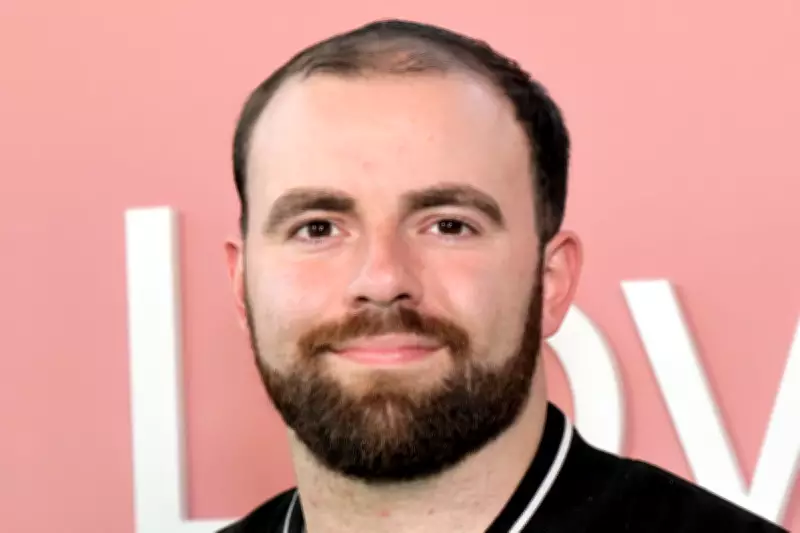
Connor Tomlinson, a beloved star of the Netflix dating series Love on the Spectrum, has confirmed he will not return for the show's upcoming fifth season. The Emmy-winning programme, which explores the romantic lives of individuals on the autism spectrum, recently premiered its fourth season on the streaming platform. This marks Tomlinson's final appearance after three seasons as a fan favourite participant.
Tomlinson's Emotional Farewell and Future Ambitions
In an exclusive interview with Variety, Tomlinson shared his decision with a mix of humility and sadness. "It is with humility and a heavy heart that I share I will not be partaking in Season 5," he stated. "I feel like three seasons is enough to tell my story and find love on my own time." He added a lighthearted note, joking, "I've chosen to pass the torch to the next person who can make it as big as me."
Looking ahead, Tomlinson announced his intention to focus on acting, particularly voice work. "Don't worry about me — I'm still going to be in the acting business, especially voice work," he explained. "I've always been a huge fan of animation and would love to be involved with a TV show." This move signals a new chapter for the star beyond the reality dating format.

Critical Acclaim and Controversial Context
Love on the Spectrum, adapted from an Australian series of the same name, has garnered widespread praise since its Netflix debut in 2022. Critics have highlighted its empathetic approach, with CNN noting the show exhibits "empathy towards the featured players without being condescending towards them." However, some reviews, like that from the Boston Herald, pointed out occasional genre clichés, suggesting "the wrong kind of slickness has a way of working against the authenticity grain." Despite this, the series has been celebrated for its heartwarming portrayal of neurodiverse relationships.
The show's impact extends beyond entertainment, touching on broader societal issues. Last April, co-star James B Jones publicly condemned Robert F Kennedy Jr's comments about autism, labelling them "extremely ignorant" and "downright offensive." This response came amid debates about autism representation, with the Centers for Disease Control and Prevention (CDC) attributing rising diagnosis rates to improved tools rather than an "epidemic." Jones emphasised, "I am a fully functional, productive member of society. And yes. I have autism, I am neurodiverse."
As Love on the Spectrum prepares for its fifth season without Tomlinson, fans and critics alike reflect on his contributions to the series' success. His departure underscores the show's evolving narrative while highlighting the diverse paths of its participants beyond the screen.