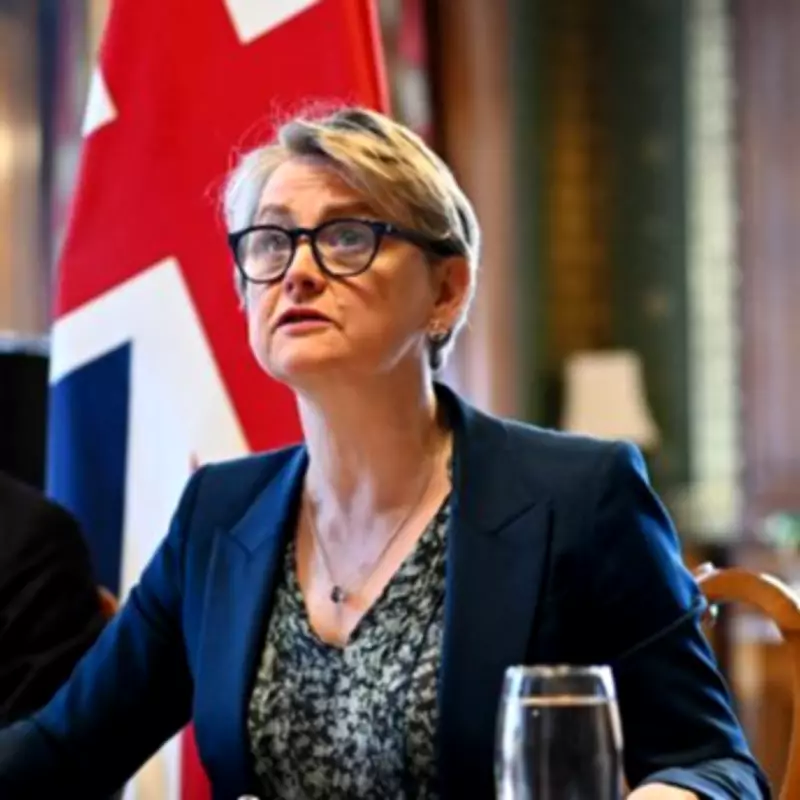
Yvette Cooper Issues Stark Sanctions Warning to Iran Over Strait of Hormuz Crisis
Foreign Secretary Yvette Cooper has issued a forceful condemnation of Iran's actions in the Strait of Hormuz, accusing the regime of recklessly holding the global economy hostage. The warning came during critical virtual talks with representatives from more than forty nations, where Cooper demanded the "immediate and unconditional reopening" of this vital maritime shipping route.
Global Coalition Discusses Economic and Diplomatic Pressure
The UK and its allies explicitly discussed imposing "sanctions to bear down on Iran" should the blockade persist. A statement released after the meeting confirmed that participants explored "coordinated economic and political measures, such as sanctions" as part of possible collective action. Diplomatic pressure through the United Nations was also highlighted as a key avenue.
Cooper detailed the severe impact of the blockade, noting that before the current Middle East crisis, over 150 tankers transited the Strait daily. In a stark contrast, only five vessels passed through in the last twenty-four hours. She revealed there have been more than twenty-five attacks on vessels, with approximately 20,000 seafarers trapped aboard some 2,000 ships.

Economic Fallout Hits Global Trade and UK Households
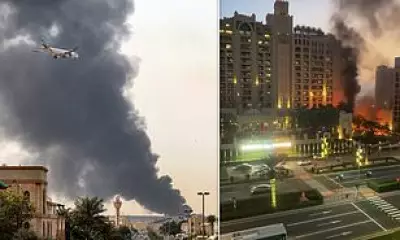
The Iranian regime's effective blockade, enacted in retaliation to US and Israeli military actions, has triggered a surge in global oil prices and sparked fears of widespread shortages. Cooper emphasized that the crisis is disrupting trade for Gulf nations like Kuwait, Bahrain, Qatar, the UAE, Saudi Arabia, Oman, and Iraq, with cascading effects worldwide.
"This is hitting liquid natural gas supplies for Asia, fertiliser for Africa, and jet fuel for the world," Cooper stated. She directly linked Iranian "recklessness" to rising costs for British consumers, saying it is "hitting mortgage rates and petrol prices and the cost of living here in the UK and in many different countries across the world." She framed the issue as a direct threat to "global economic security."
Divergence from US Approach and Planning for Reopening
The Foreign Secretary outlined a distinct approach from the United States, noting the UK avoided being "drawn into offensive action in the Middle East" due to concerns about escalation risks and economic impact. She stressed the necessity for a "proper plan" and coordinated international action.
In a significant development, Cooper announced that military planners from the coalition countries will soon hold separate talks to examine practical measures for reopening the strait, including de-mining operations and providing reassurance once hostilities ease.
Political Reactions and Calls for Leadership
The crisis has drawn sharp political commentary. Liberal Democrat leader Sir Ed Davey urged the Prime Minister to "step up" with concrete plans to reopen the shipping route. Criticising US leadership, Davey argued for an international coalition involving Europe, the G7, and Gulf countries to undertake the "diplomatic heavy lifting" he deemed the US President incapable of performing.
Davey underscored the domestic benefits, stating that reopening the Strait of Hormuz would provide "the biggest benefit to British people, not just in petrol and diesel, but energy bills." This call to action highlights the deepening political and economic stakes of the ongoing maritime crisis as the UK government seeks a multilateral diplomatic solution.