Foreign Secretary Defends UK's Global Aid Role Amid Funding Reductions
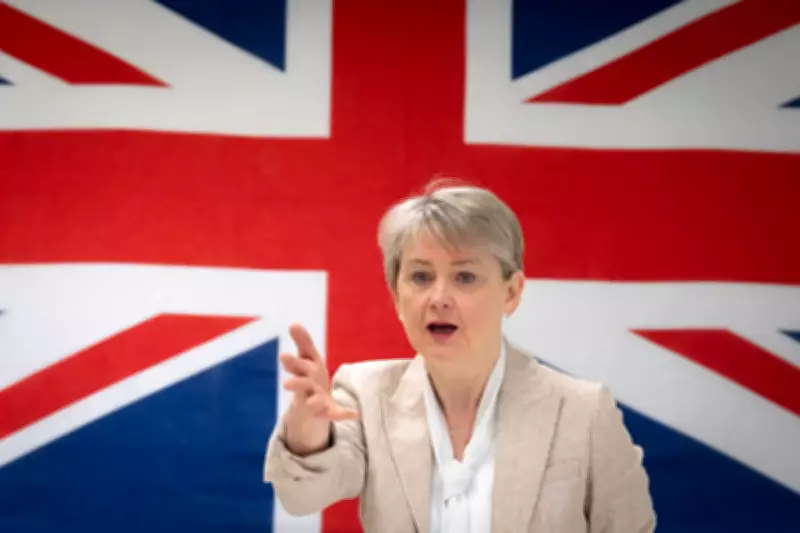
Foreign Secretary Yvette Cooper has emphatically declared that the United Kingdom will continue to be a "major player" in international development assistance, despite widespread cuts to the overseas aid budget. In a detailed statement to the House of Commons, Cooper acknowledged that allocating a reduced budget necessitates difficult decisions but affirmed that a modernized approach would sustain Britain's global influence.
Hard Choices and Strategic Priorities
Cooper explained that the government has made "hard choices and unavoidable trade-offs" in distributing aid across the world. The Foreign Secretary emphasized that the new strategy focuses on "partnership not paternalism," targeting resources toward the people and places most in need. Despite the reductions, Cooper projected that the UK would still rank as the fifth largest funder of international aid globally.
The government has slashed Britain's official development assistance (ODA) budget from 0.5% of gross national income to 0.3% this year, a move intended to finance increased defence spending. Total ODA expenditure is expected to decrease from approximately £10 billion in the 2026-27 fiscal year to £8.9 billion the following year, before a modest recovery to £9.4 billion in 2028-29.

Refocusing from Donor to Investor
Billed as a "fundamental change" in Britain's aid philosophy, Cooper confirmed that the UK would transition from being a traditional donor to acting as an "investor." This shift involves providing expertise, technical support, and funding, with a particular emphasis on mobilizing private investment and leveraging international institutions like the World Bank.
Humanitarian assistance to countries devastated by conflict has been prioritized, including support for Ukraine, Gaza, Lebanon, and Sudan. Additionally, support for women and girls will form a central pillar of the Foreign, Commonwealth and Development Office's work, encompassing efforts to prevent violence, promote political and economic participation, and ensure education continuity during conflicts.
Specific Allocations and Withdrawals
Cooper announced that the government will withdraw from traditional bilateral funding for G20 countries, which collectively represent around 85% of global GDP. Nations such as Yemen, Somalia, and Afghanistan will remain humanitarian priorities, while Pakistan and Mozambique will continue as development priorities, albeit with significantly reduced direct grant funding, replaced by investment partnerships.
In other adjustments, the BBC World Service will receive an annual funding increase of £11 million, whereas the budget for the Independent Commission for Aid Impact, the aid spending watchdog, will be cut by 40%. Foreign Office minister Baroness Chapman stated that discussions with the commission indicated that the reduced funding could still sustain its external inspection functions.
Political Criticism and Defence of Strategy
Conservative shadow foreign minister Wendy Morton criticized the announcement for lacking specific details on how aid and development spending would be reformed. Morton questioned which programmes would be cancelled, which partnerships scaled back, and which commitments would no longer be honoured, arguing that UK development policy historically delivered transformative results when focused on rigorous outcomes and clear objectives.
Cooper retorted by highlighting the Conservative Party's policy to reduce development spending to 0.1% of GNI, which she characterized as a "two-thirds reduction" compared to the government's current plan, without clarity on potential cuts to critical areas like Sudan, vaccines, or global health support.

Concerns Over Defence Versus Aid Priorities
Sarah Champion, chair of the International Development Committee, expressed support for the general policy direction outlined by Cooper but questioned the logic of prioritizing defence expenditure over aid. Champion warned that pitching defence against international development creates a "false dichotomy," noting that military experts often view development funding as a crucial first line of defence by promoting security, prosperity, and governmental accountability abroad.
The equality impact assessment for the ODA programme confirmed a 31% overall reduction in total spend. While multilateral spending has been prioritized, it will still decrease by approximately 22%, leading to scaled-back benefits. Bilateral ODA will experience a more substantial reduction of 37%.
Cooper concluded by asserting that the UK's sustained commitment to international development is essential for delivering prosperity and stability both at home and abroad, reinforcing the nation's values and interests on the global stage.