Cuba Rejects US Embassy Fuel Request as 'Shameless' Amid Trump Blockade
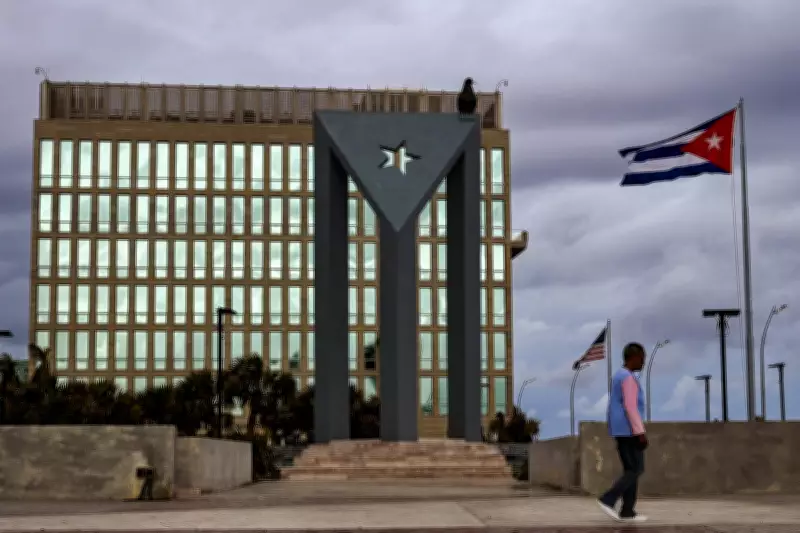
The Cuban government has firmly denied a request from the United States embassy in Havana to import fuel for its generators, labelling the appeal as 'bold' and 'shameless' in diplomatic communications. This rejection comes as Cuba grapples with island-wide blackouts and a dire oil shortage, exacerbated by the Trump administration's blockade.
Diplomatic Tensions Escalate Over Fuel Access
According to a report by The Washington Post, which obtained diplomatic cables from earlier this month, the Cuban Ministry of Foreign Relations criticised the US for attempting to ship two containers of fuel to power the embassy. The ministry stated that it interpreted the request as a claim to 'access a good as a privilege that it denies to the Cuban people', highlighting the hypocrisy perceived by Cuban officials.
Since January, the Trump administration has cut off Cuba's access to subsidised oil from Venezuela, aiming to pressure the island's leaders into political concessions. This move has left Cubans struggling with fuel shortages for essential services, including transportation, electricity, and water pumping.

Impact on US Embassy Operations and Cuban Society
The US embassy warned the State Department in a note that if it runs out of fuel, it may be forced to remove nonessential staff by May or earlier. To mitigate this, embassy staff have reportedly been asked to consolidate energy usage by working remotely, combining housing, and limiting generator usage.
Meanwhile, Cuba's more than 11 million residents face severe hardships. Hospitals have cancelled surgeries, schools have reduced classes, trash has piled up on streets, and drinking water has become increasingly difficult to obtain. The country has experienced periodic island-wide blackouts, worsening the humanitarian crisis.
Broader Context of US-Cuba Relations
In its diplomatic note, the Cuban Ministry of Foreign Relations accused the US blockade of causing 'the greatest possible harm to the Cuban economy, the well-being of the people, and their standard of living'. The US has placed immense pressure on the Cuban government, led by President Miguel Díaz-Canel, demanding political changes such as a new leader, better business opportunities, and the release of political prisoners.
To enforce these demands, the US has not only blocked oil from Venezuela but also from Mexico, and has warned allies that providing or selling oil to Cuba could result in steep tariffs. This aggressive stance has intensified the energy crisis on the island, with recent reports confirming widespread blackouts and operational challenges for both the embassy and Cuban citizens.