The recent US-led operation to remove Venezuelan President Nicolás Maduro has sent shockwaves through Havana, placing Cuba's already fragile economy and political stability under unprecedented strain. The special bond between the two socialist nations, a cornerstone of Cuba's survival for decades, now faces its most severe test.
A Lifeline Under Threat
On Havana's well-kept Fifth Avenue, a giant billboard outside the Venezuelan embassy features the late Hugo Chávez with the words "Hasta Siempre Comandante". This steadfast declaration of eternal solidarity masks a deep anxiety. For Cuba, the support from Caracas—primarily in the form of subsidised oil—has been an economic lifeline. In return, Havana provided security and intelligence expertise, a partnership both regimes rarely detailed publicly.
The US confrontation with Venezuela directly implicated Cuba, with Havana acknowledging that 32 Cubans died in the military attack. Mourning relatives compared the dead to mambís, heroes of Cuba's wars of independence from Spain. One aunt wrote of her nephew, 26-year-old interior ministry officer Fernando Báez Hidalgo: "He had a cause, he believed in it, he defended it, and like a mambí, he fell."
Internal Strains and External Pressure
Cuba is already grappling with severe internal challenges. Widespread blackouts, like those that again swept the island this week, and chronic shortages have become commonplace. The regime's famed unity is showing cracks. In early December, former economy minister Alejandro Gil received a life sentence for corruption and espionage, a startling revelation of high-level betrayal.
Furthermore, a key five-year party conference has been delayed. This move followed intervention from 94-year-old Raúl Castro, who cited the poor economic climate. His enduring influence highlights the ongoing uncertainty surrounding leadership succession and the regime's direction.
Despite this, experts caution against predicting the government's collapse. Michael Bustamante, chair of Cuban and Cuban-American Studies at the University of Miami, noted: "We've been there before in the 1990s and I don't necessarily believe further rapid deterioration of the Cuban economy leads to regime change." The memory of the "Special Period" after the Soviet Union's fall fuels a stubborn will to endure.
The Long Shadow of History and an Uncertain Future
Any potential US action against Cuba would be fiercely resisted, informed by a long, fractious history. Cubans vividly recall the 19th-century US intervention after the war of independence from Spain, when American troops led by Theodore Roosevelt sidelined local leaders. This historical grievance is a potent tool for the government, which consistently blames the 60-year US embargo for the nation's hardships.
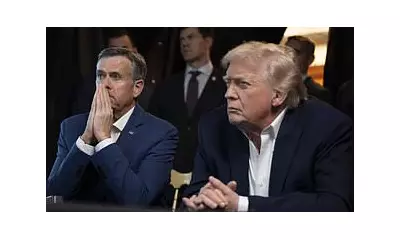
The Trump administration's approach has been inconsistent. While strengthening sanctions, the former president appeared less focused on Cuba than his Secretary of State, Marco Rubio. Trump's recent statement that "Cuba is ready to fall" suggests a belief that external pressure alone will suffice.
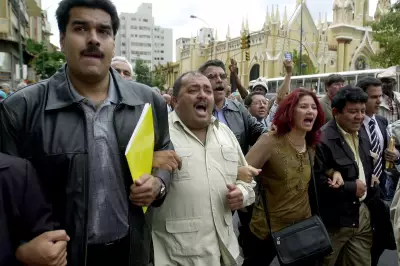
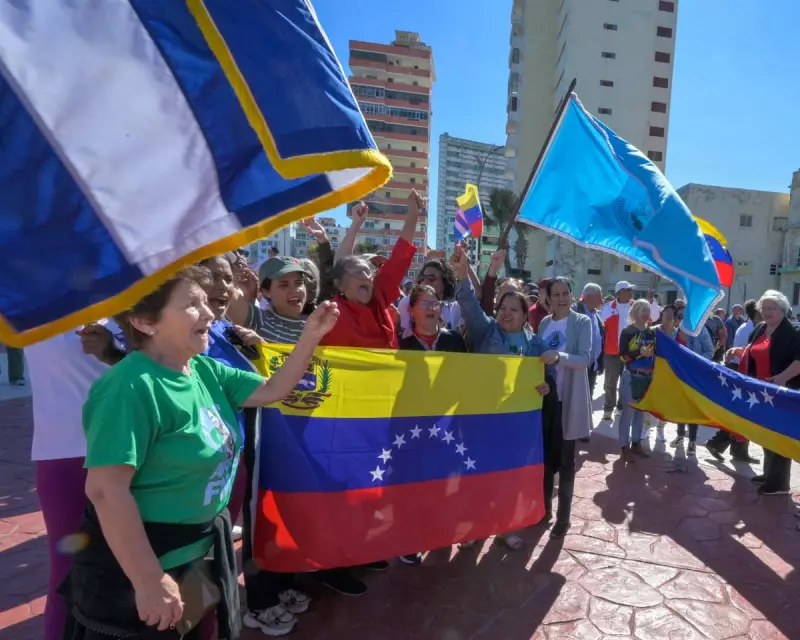
For some Cubans, this crisis presents an opportunity for long-overdue economic reform. Carlos Alzugaray, a former Cuban ambassador to the EU, stated: "The Cuban government has to finally do what everybody here thinks they should do, which is open up the economy." Yet, he, like many, drew a firm line at foreign intervention, having attended a demonstration to reject American actions in Venezuela.
With the Trump administration emboldened and Rubio declaring "This is our hemisphere," the future of US-Cuba relations remains dangerously unpredictable. The island nation, weaker than ever, faces a pivotal moment where the loss of its principal ally could force dramatic change—or cement a defiant isolation.