Danish Prime Minister Mette Frederiksen has issued a direct plea to US President Donald Trump, urging him to stop making threats regarding the potential acquisition of Greenland. The call comes after President Trump recently restated his administration's interest in purchasing the vast Arctic territory for its defence and mineral resources.
Danish Rebuke and Sovereignty Stance
In a firm statement, Prime Minister Frederiksen asserted that the United States has no right to annex any part of the Danish Kingdom, which comprises Denmark, Greenland, and the Faroe Islands. She was unequivocal in her position, stating that Greenland is not for sale. The comments reflect growing alarm in Copenhagen over the persistent American interest, which many view as a colonial-era anachronism in the 21st century.
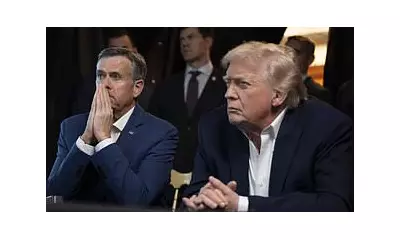
The diplomatic tension was further inflamed by President Trump's recent appointment of Louisiana Governor Jeff Landry as a special envoy to Greenland. This unilateral move, interpreted by Denmark as bypassing established diplomatic channels, drew immediate and sharp criticism from both the Danish government and Greenland's own autonomous administration.
Strategic Motives Behind US Interest
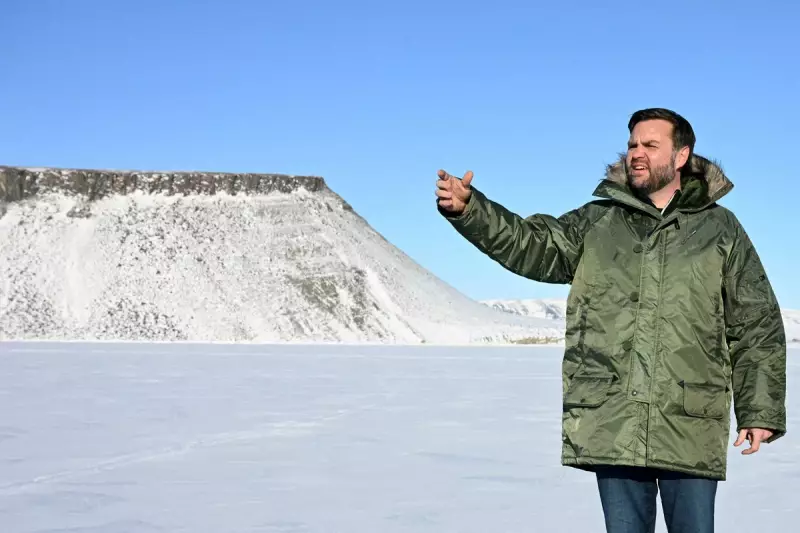
The US administration's fascination with Greenland is driven by two primary factors. Firstly, its strategic geographic position is deemed crucial for ballistic missile defence, a priority underscored by US Vice President JD Vance's tour of the Pituffik Space Base in Greenland on March 28, 2025. Secondly, the territory is believed to hold vast reserves of rare earth minerals and other resources, which could help the US and its allies reduce dependence on Chinese exports for critical technology components.
However, this pursuit has sparked uncomfortable comparisons. Following President Trump's comments about the situation in Venezuela, concerns have been voiced in Denmark that Greenland could face a similar pattern of pressure and interference, despite the vastly different political contexts of the two regions.
Implications for Arctic Diplomacy
The ongoing dispute places a significant strain on the traditionally strong NATO alliance between the United States and Denmark. It also highlights the increasing geopolitical importance of the Arctic region, where climate change is opening new shipping routes and access to resources. The situation forces Greenland, which has self-rule over most domestic affairs, to navigate between its historical ties to Denmark and the overwhelming economic and military influence of the United States.
As of Sunday, 4 January 2026, the standoff continues with no sign of the US administration backing down from its stated ambition. The world watches to see if this extraordinary diplomatic clash over a frozen island will thaw or deepen the frost in transatlantic relations.