Dubai Under Siege: Missile Attacks and Media Crackdown Expose Regime's Lies
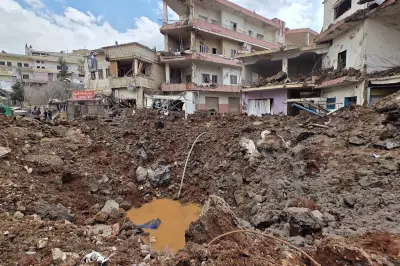
Three massive explosions rocked Dubai at 11.26 local time yesterday morning, sending shockwaves through the city. A friend in the United Arab Emirates, terrified by the blasts, sent three urgent messages, risking severe repercussions by speaking out. Earlier, at Dubai International Airport (DXB), four people were injured when two drones evaded air defences, causing passengers and staff to scramble from plate-glass windows and head for shelters. Despite the obvious dangers, DXB remains open, operating a reduced service.
Escalating Threats and Evacuations
On Saturday, a drone was captured on video creating a huge pall of smoke near the terminal, yet the Dubai Media Office insisted 'no incident' had occurred. Iranian barrages, over 13 days of conflict, have been most intense in mornings and nights, according to contacts, with no time of day considered safe. Images of Dubai's president and crown prince strolling malls and dining in restaurants are staged propaganda, masking a grim reality. Holidaymakers and those who can afford to are fleeing for dear life, as high-rise hotels close rooms above the tenth floor due to dwindling occupancy, and restaurateurs along Dubai Marina and Jumeirah Beach desperately lure remaining customers.
British financial giant Standard Chartered evacuated its entire staff from the Dubai International Financial Centre after Iranian threats to target economic and banking interests linked to the US and Israel. Tehran's Revolutionary Guard has listed tech giants like Google, Microsoft, Palantir, IBM, Nvidia, and Oracle as targets, warning people to stay a kilometre away from banks, putting expat and tourist areas at risk. A Fairmont hotel was set ablaze in Dubai by Iran, and a high-rise building burst into flames on Thursday morning, highlighting the escalating crisis.
Government Inaction and Orwellian Reality
The UK government has provided insufficient aid to British nationals in the region, largely leaving them to fend for themselves, a situation that disgusts but does not surprise given the Foreign Office's limited influence in the Gulf. Echoing George Orwell's Nineteen Eighty-Four, residents in Dubai are forced to live by chilling axioms: 'War is Peace. Freedom is Slavery. Ignorance is Strength.' When bombs started falling on February 28, UAE authorities sent mass texts to 240,000 Britons and other Westerners, warning against posting anything that might incite panic about the terror from the skies.
As these messages failed, more explicit threats followed, and residents are now encouraged to inform on friends and neighbours who mention missile attacks. For Dubai's army of online influencers, this clampdown is an unfathomable shock, with strict bans on posting content that could damage the Dubai brand—no pictures of missile damage, footage of interceptor missiles, audio of explosions, or panicked selfies from safe rooms. Those who disobey face arrest, with at least one person detained for filming a strike, risking fines up to £200,000, a decade or life in prison, and deportation.
Influencers and Propaganda
Influencers, as seen on Instagram and TikTok, stick faithfully to the party line, posting videos of beach outings, nightclub cocktails, and designer shopping, often with the unsettling phrase: 'Don't worry the UAE is keeping us safe.' They proclaim safety because 'I know who protects us,' accompanied by images of Sheikh Mohammed bin Rashid Al Maktoum, the UAE's ageing ruler, always shown in his youth like Oscar Wilde's Dorian Gray. His vanity is catered to with airbrushed billboards and portraits, while no one is exempt from social media strictures—even firefighters and paramedics have been jailed for posting emergency photos.
WhatsApp video and voice calls are banned in Dubai due to encryption, making it hard for the regime to spy, so most people only speak freely outside the UAE. One resident told the Daily Mail of a friend trapped in Dubai, petrified of saying the wrong thing amid daily drones and missiles, with reports of interceptor shortages. Another resident fears eavesdropping via spyware like Pegasus, which the UAE is known to possess.
Personal Ordeal and Regime Brutality
David Haigh, founder of Dubai Watch, shares his harrowing experience as a victim of the regime's brutality. Nearly five years ago, while helping Princess Latifa and Princess Haya escape, his phone was hacked with Pegasus-like software. Later, he was lured to Dubai under false pretences, arrested, beaten, tasered, raped, and forced to witness a murder in Al-Awir prison, where conditions were horrific—overcrowded cells, raw sewage, and drugged food. He endured nearly two years of torture, with women treated even more brutally, and mock executions common.
Influencers who cross the regime risk similar fates, as rulers pamper them with tax-free luxuries in exchange for propaganda, chaining them to a gilded but oppressive existence. Haigh's escape and return to Britain, with claims dismissed by courts, marks a decade since his ordeal, underscoring the dangers of challenging Dubai's authoritarian rule.