Four European nations have made a decisive move to withdraw from the 2026 Eurovision Song Contest, following the confirmation that Israel will participate in the event, set to be held in Vienna. The broadcasters of Ireland, Spain, the Netherlands, and Slovenia have all announced their formal boycott, citing the ongoing conflict in Gaza.
The Boycott Announcements and Their Justifications
The decisions were finalised after the European Broadcasting Union's general assembly met in Geneva on Thursday, 4 December 2025. Slovenian broadcaster RTV SLO stated its withdrawal was made "on behalf of the 20,000 children who died in Gaza." Similarly, Ireland's national broadcaster RTE declared that taking part would be "unconscionable given the appalling loss of lives in Gaza." This stance echoes threats made by the countries in September 2025, where they warned they would not participate unless Israel was excluded.
A History of Rising Tensions at Eurovision
The roots of this diplomatic and cultural rift within the contest stretch back to the 2024 event in Malmo, Sweden. Israel's participation that year drew significant criticism as the humanitarian situation in Gaza worsened. While artists like the UK's Olly Alexander and Ireland's Bambie Thug issued a joint statement calling for a ceasefire, they stopped short of boycotting.
Protests were a major feature of the 2024 contest. An estimated 10,000 to 12,000 pro-Palestinian demonstrators, including Greta Thunberg, marched through Malmo ahead of Israeli contestant Eden Golan's semi-final performance. Golan's song 'Hurricane', a reworked version of a track originally titled 'October Rain', was met with a mix of boos and cheers. The Israeli delegation reported facing an "unprecedented display of hatred."
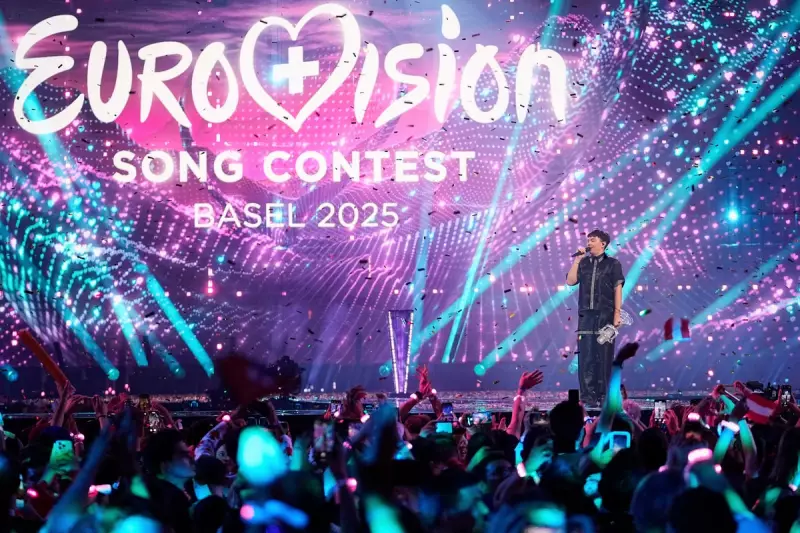
Tensions escalated further at the 2025 contest in Basel. Israel's entrant, October 7 survivor Yuval Raphael, faced direct disruption. During a rehearsal, six people with oversized flags and whistles interrupted her. Later, her team said she was left "shaken and upset" after pro-Palestinian protesters rushed a barrier during her performance of 'New Day Will Rise', and a crew member was hit with paint. Raphael ultimately finished as runner-up to Austria's JJ. On the day of the final, around 800 protesters gathered in Basel, leading to a significant police response where tear gas was used.
Implications for the Future of Eurovision
The coordinated withdrawal of four national broadcasters represents an unprecedented challenge for the EBU and the future of the Eurovision Song Contest. It marks a significant politicisation of the event, which has long touted itself as a non-political celebration of music and unity. The 2026 contest in Vienna will now proceed under a cloud of controversy, with a notable absence of participating nations who have historically been strong contenders and supporters of the competition. This boycott sets a major precedent and raises questions about how the EBU will manage geopolitical conflicts moving forward.