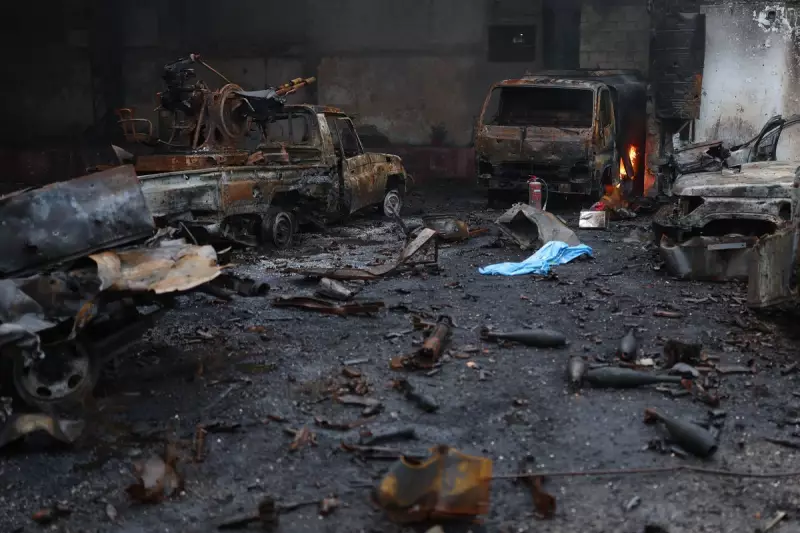
First responders have entered a devastated neighbourhood in the Syrian city of Aleppo, allowing residents to start returning after days of intense and deadly fighting between government forces and Kurdish-led militias.
Ceasefire Allows Return to Shattered Streets
The situation in the predominantly Kurdish districts of Sheikh Maqsoud, Achrafieh and Bani Zaid appeared calm on Sunday 11 January 2026, following a reported partial ceasefire. This pause in hostilities has enabled the Syrian Red Crescent and Syrian Civil Defence teams to begin critical work, tending to residents, clearing rubble and disarming improvised explosive devices left behind.
The clashes, which erupted on Tuesday, were triggered by a failure to reach an agreement on integrating the main Kurdish-led force, the Syrian Democratic Forces (SDF), into the national army. Government security forces have since captured the Achrafieh and Bani Zaid neighbourhoods.
A Heavy Toll of Death and Displacement
This round of fighting marks the most severe violence between the two sides since the fall of then-President Bashar Assad in December 2024. The human cost has been significant. At least 23 people were killed over five days of shelling and drone strikes, while the conflict forced a staggering more than 140,000 people to flee their homes.
Kurdish fighters have evacuated from the Sheikh Maqsoud neighbourhood to SDF-controlled northeastern Syria. However, in a statement, they declared the ceasefire "partial" and vowed to continue fighting now that civilians and wounded personnel have been removed.
Accusations Fly Amidst the Devastation
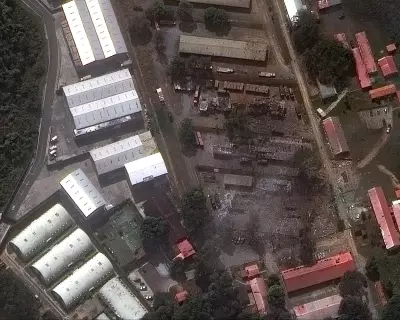
Government forces escorted journalists through the ravaged area, pointing to damaged infrastructure including the Khalid al-Fajer Hospital and a former SDF security position they had targeted. The SDF, however, accused the government of targeting the hospital "dozens of times" before patients could be evacuated. Damascus countered, alleging the Kurdish-led group used the hospital and other civilian facilities for military purposes.
On the ground, residents recounted their terror. "We lived a night of horror. I still cannot believe that I am right here standing on my own two feet," said Ahmad Shaikho. Others told The Associated Press that SDF forces had prevented them from leaving by car through checkpoints.
With Civil Defence teams working to clear booby-trapped mines reportedly left by Kurdish forces, many who fled are still barred from returning to their homes. For some, the experience has evoked painful memories of displacement during Syria's long civil war. "I want to go back to my home, I beg you," pleaded resident Hoda Alnasiri.