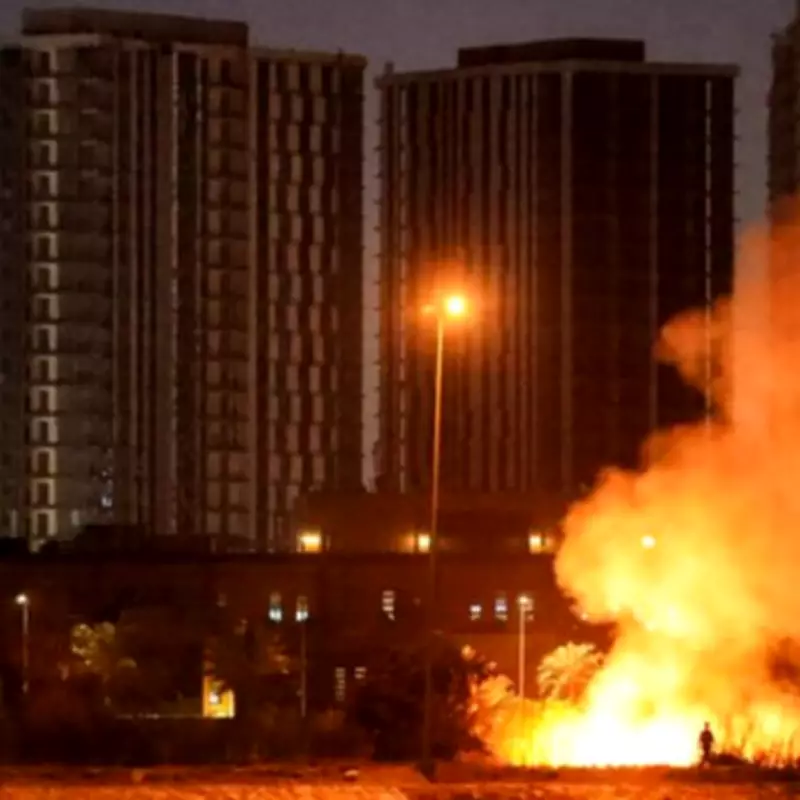
The foreign ministers of the G7 nations have issued a strong joint statement condemning recent attacks on energy infrastructure across the Middle East and affirming their readiness to take necessary measures to protect global energy supplies.
Condemnation of Iranian Regime's Reckless Actions
In a firm declaration, the ministers condemned what they described as the Iranian regime's reckless attacks against civilians and civilian infrastructure, including critical energy facilities. These incidents have occurred in multiple countries, including Bahrain, Kuwait, Oman, Qatar, Saudi Arabia, the United Arab Emirates, Jordan, and Iraq.
The statement aligns with United Nations Security Council Resolution 2817, underscoring the international legal framework supporting their position. The ministers emphasized that these unjustifiable attacks not only endanger regional stability but also pose a significant threat to global security, highlighting the interconnected nature of modern energy markets.

Commitment to Safeguarding Maritime and Energy Routes
The G7 reaffirmed the critical importance of protecting maritime routes and ensuring the safety of navigation, particularly in strategic waterways like the Strait of Hormuz and other associated channels. This commitment extends to maintaining the security of supply chains and the stability of energy markets worldwide.
By focusing on these key transit points, the ministers aim to prevent disruptions that could lead to volatility in energy prices and supply shortages, which would impact economies and consumers globally.
Readiness for Immediate and Coordinated Measures
The statement concluded with a clear warning that the G7 is prepared to implement necessary measures to support the global supply of energy. This includes actions such as the stockpile release decided by International Energy Agency members on March 11, demonstrating a proactive approach to mitigating potential crises.
The ministers called for an immediate and unconditional cessation of all attacks by the Iranian regime, stressing that continued aggression will not be tolerated and could prompt further international responses. This stance reflects a unified front among the world's leading economies in addressing threats to energy security.