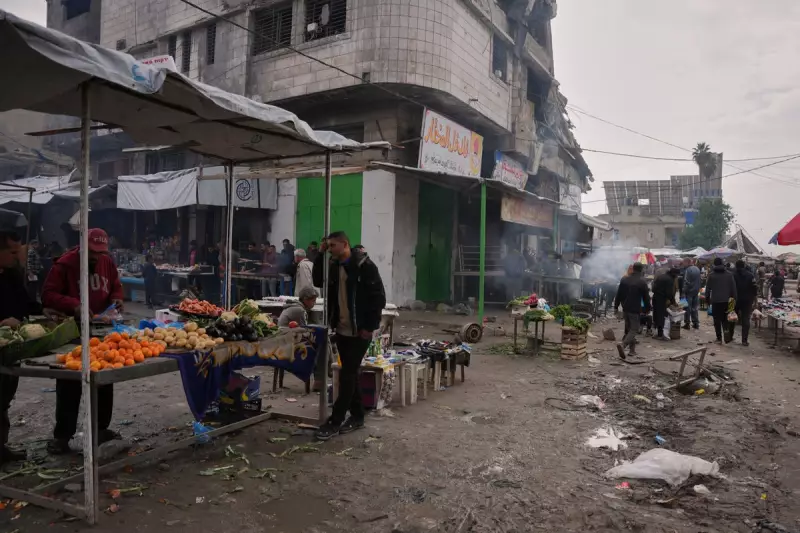
More than two months after the latest ceasefire in Gaza took hold, a fierce dispute has erupted over the flow of supplies into the war-ravaged Palestinian territory. The core of the argument centres on whether Israel is fulfilling a crucial commitment of the US-backed truce: allowing sufficient humanitarian aid to enter.
The Battle of the Numbers: Trucks, Claims and Counter-Claims
Israel asserts it has consistently met the ceasefire stipulation of a minimum of 600 trucks entering Gaza daily since the agreement came into force on 10 October. The United States, Israel's key ally coordinating deliveries from southern Israel, supports this claim for the past five weeks.
However, this narrative is starkly contested by data from humanitarian organisations and authorities within Gaza linked to Hamas. The debate primarily focuses on truck counts, but this metric reveals only part of a complex picture. According to COGAT, the Israeli military body overseeing aid coordination, roughly 80% of these trucks are operated by the private sector, carrying commercial goods.
While markets in Gaza now appear better stocked and prices for essentials like flour have eased slightly, the reality for most Palestinians is different. After two years of devastating conflict, many simply cannot afford these commercial items. Furthermore, a significant portion of the cargo includes non-essential goods like cigarettes and snacks, which do nothing to address the widespread malnutrition crisis.
Transparency Issues and Conflicting Data
Rights groups highlight a fundamental lack of transparency, as Israel controls all crossings into Gaza and has sole access to comprehensive tracking data. "There is little transparency about how much and what exactly is getting in," stated Shaina Low of the Norwegian Refugee Council.
Conflicting figures further cloud the situation. A recent report by global food security experts, citing data they said was provided by Israel, indicated an average of 540 trucks entered daily in October and 581 in November—both figures below the 600-truck benchmark. Meanwhile, a World Food Program report this week, citing Gaza's Chamber of Commerce and the Hamas-affiliated relief ministry, put the average for the first two weeks of December at just 256 trucks per day.
The WFP also noted that commercial shipments face "a complex system of approvals" and "exorbitant fees" of thousands of dollars per truck at the Rafah crossing with Egypt, driving up consumer prices.
The Fragile State of Food Security and Aid Delivery
Only about 20% of the truck traffic consists of non-commercial aid for the UN, aid groups, or donor countries. UN data shows that from 10 October to 21 December, an average of 130 aid trucks per day reached their intended destinations in Gaza, with food making up over 80% of the delivered aid by weight.
Delivery remains hampered by Israeli restrictions on items deemed to have potential military use, such as tents with metal frames, leading to inconsistent cargo volumes. This inconsistency forced the World Food Program to reduce rations earlier this month, with some households receiving only 75% of minimum caloric needs.
A landmark report last week from the Integrated Food Security Phase Classification (IPC) acknowledged "notable improvements" since the ceasefire but warned the situation remains "highly fragile." Bob Kitchen of the International Rescue Committee stressed that access is "deeply unequal" and much entering food is low in nutritional value. The underlying message from aid agencies is clear: Gaza's needs remain immense, and sustained, unhindered humanitarian access is critically required to prevent a backslide into famine.