Hegseth's Media Critique Amid Iran Strategy Confusion
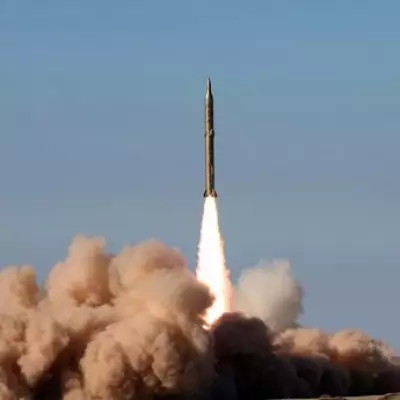
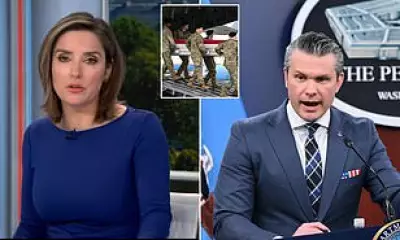
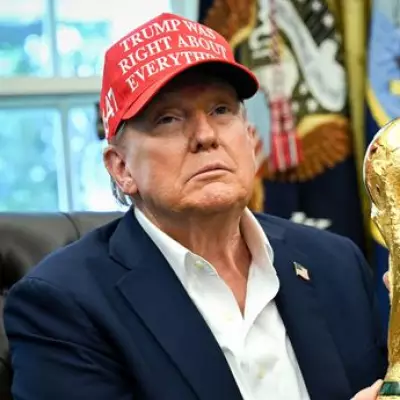
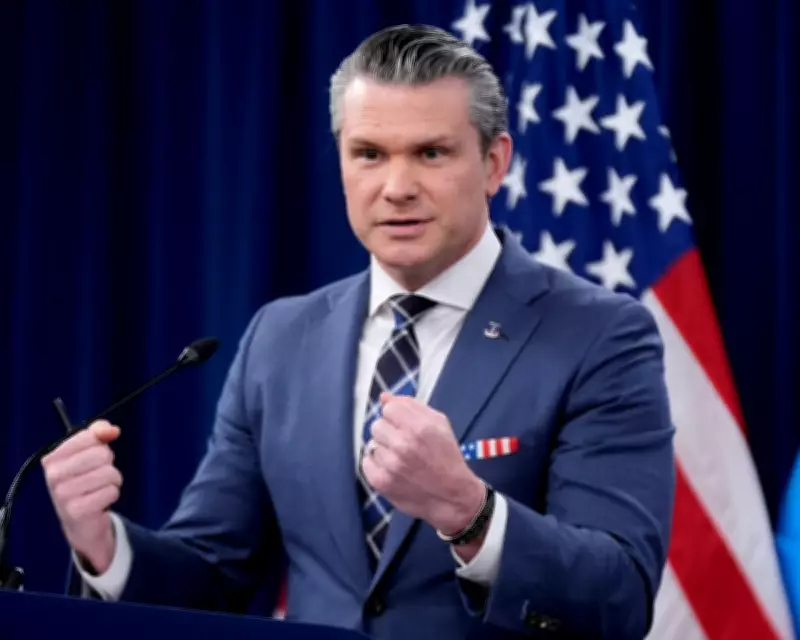
When even one's mother labels you a cheat and liar, it's a strong indicator of character flaws. Yet, this did not deter Donald Trump from appointing Pete Hegseth as his defence secretary, or as Trump prefers, his "war secretary." The rationale seems clear: why possess extensive military hardware without deploying it? Over the past fortnight, Hegseth has served as the president's chief cheerleader for the war on Iran, and over the weekend, he targeted the media for insufficient enthusiasm.
According to Hegseth, journalists have been preoccupied with trivial matters, such as inquiring about the overall war plan. The president initially discussed regime change, only to backtrack after Ayatollah Ali Khamenei's death failed to topple the regime. Trump also claimed to neutralise Iranian nuclear facilities, despite asserting last year that this had already been accomplished. Furthermore, he declared the war won while expressing a desire for more victories, even as Iranians maintained they were undefeated.
Strategic Oversights and Global Repercussions
Trump initially dismissed British involvement, criticising it as too little, too late, and unnecessary. However, a week later, he sought assistance from the UK and other European allies to secure the Strait of Hormuz. It emerged that in the hasty war planning, Trump's cabinet overlooked the strait's critical role in transporting 20% of the world's oil. A simple map might have clarified this oversight.

This perspective, however, is labelled as old-school pessimism, failing to recognise potential benefits. For instance, Russia emerges as a clear winner, with oil prices exceeding $100 per barrel, generating a daily windfall of $250 million. Thus, the US has inadvertently funded Russia's war in Ukraine. The conflict has largely been framed as entertainment, with Trump mentioning bombing Kharg Island "for fun."
Domestic Political Fallout and Leadership Challenges
The Iraq war marked the decline of Tony Blair, with public unforgiveness over the dodgy dossier. In contrast, Keir Starmer has fared well by declining American requests to join bombing campaigns and deploy ships to the Strait of Hormuz. Instead, he focused on the war's legality and lack of clear strategy, leaving figures like Kemi Badenoch and Nigel Farage to revise their initially pro-war stances.
Despite this, Starmer's leadership faces threats from a flatlining economy, high unemployment, a lost byelection, and anticipated losses in May's local elections. A significant blow may be his appointment of Peter Mandelson as ambassador to the US. Starmer cited process failures and efforts to tighten procedures, but this missed the point: vetting documents highlighted reputational risks, and the national security adviser noted unusual haste.
Mandelson maintained ties with Jeffrey Epstein during his imprisonment for child prostitution, raising baffling questions. It remains unclear if Starmer desired the appointment or was influenced by his chief of staff, Morgan McSweeney. Starmer displayed a lack of interest, claiming deception by Mandelson without documented conversations or briefings on expectations in Washington. This curiosity deficit could prove his downfall.
Cultural and Personal Reflections
Hollywood's awards season, while endearing with actors praising each other's bravery, drags on for months, leading to audience fatigue. Timothée Chalamet's so-called career crisis, with three nominations and immense success by age 30, highlights a skewed perception of failure. Meanwhile, the Israeli drama Tehran deserves accolades for its Mossad spy narrative, though upcoming series may require rewrites due to the war. In contrast, Apple TV's Hijack second series suffered from nonsensical plots.
On a personal note, the first anniversary of a mother's death brings unresolved grief, compounded by her Alzheimer's diagnosis, which felt like losing her twice. Recovery from such losses is slow, with mental health and anxiety levels soaring. Acknowledging this grief is a step toward healing, encouraging gentleness and appreciation for life's small joys, like a crab apple tree's bright leaves.

Sports Turmoil and Managerial Missteps
Spurs' late equaliser against Liverpool offered a reprieve to interim manager Igor Tudor, who had lost his first four games. Tudor's management style involved public criticism, citing no defence, midfield, or attack, and urging players to toughen up. While not entirely wrong, this approach seemed counterproductive for a team in freefall.
Rock bottom appeared when Spurs fell 4-0 to Atlético Madrid in the Champions League, with Tudor ignoring a substituted goalkeeper. Sacking him seemed the best hope to avoid relegation. However, in the second leg, Spurs showed transformed passion, winning 3-2, though it's unclear if this was due to or despite Tudor, who left without congratulating players. The team's fragility leaves uncertainty for their crucial match against Nottingham Forest, existing to torture fans with unpredictability.