Hegseth's Desperate Iran War Briefing Reveals Administration Panic
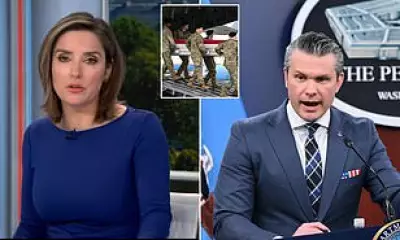
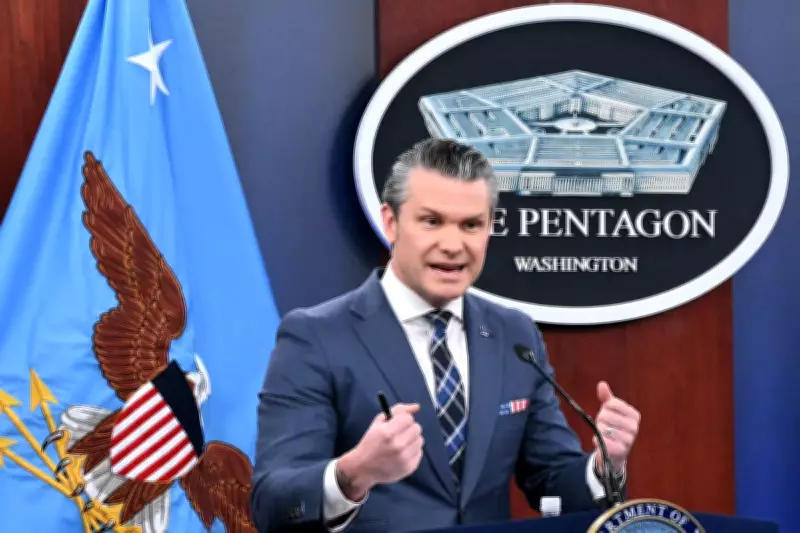
US Defense Secretary Pete Hegseth displayed unmistakable desperation during his Thursday morning Pentagon briefing, as he flailed between attacking the media and sharing questionable personal anecdotes while failing to provide substantive details about the ongoing conflict with Iran.
From Anger to Desperation: A Shift in Tone
The former Fox News host, now serving as Secretary of Defense in the Trump administration, exhibited a marked change from his angry performance last week to what observers described as outright desperation. His delivery transformed from forceful declarations to pleading requests, with visible physical tension as he clenched his fists throughout the briefing.
Hegseth opened not with military updates but with direct attacks on what he called "the meanie, biased, anti-Trump press," claiming journalists suffer from "TDS [Trump Derangement Syndrome] in their DNA." He implored Americans to disregard traditional media and rely solely on state-approved communications, stating President Trump "knows better" than journalists reporting on what they term "forever wars."

Questionable Anecdotes and Evasive Answers
The briefing took an unusual turn when Hegseth shared a story about his 13-year-old son, who he claimed wandered into his office while he was editing classified war remarks. According to Hegseth, the teenager asked why fallen American soldiers' sacrifices were worthwhile, to which Hegseth reportedly responded: "They died for you, son. So your generation doesn't have to live with a nuclear Iran."
This personal anecdote raised immediate questions about security protocols, given that a minor without clearance was allegedly present during the editing of classified war materials. More fundamentally, it exemplified what critics called a cringeworthy attempt to humanize a conflict that has faced increasing public skepticism.
When pressed for concrete details about the military campaign dubbed "Epic Fury," Hegseth offered only vague assurances. "We're not going to tell people how many or how long or what we're going to do or what we're not going to do," he stated, while insisting operations were "very much going to plan." The only specific financial detail provided was that the $200 billion war budget "could move, obviously" because "it takes money to kill bad guys."
Contradictions and Awkward Moments
Despite a room packed with predominantly pro-Trump media, several awkward moments punctuated the briefing. When asked which allies had been most supportive, Hegseth praised Israel as "incredible" before immediately attempting to downplay his own statement. Pressed about whether America appeared to be following Israeli objectives rather than setting its own, he repeatedly asserted that objectives were "clear" without ever clarifying what those objectives actually were.
The Defense Secretary's plea to "ungrateful allies in Europe" and segments of the American press to simply say "thank you" to President Trump was met with widespread skepticism. His claim that families of fallen soldiers had told him through tears to "finish this" and "honor their sacrifice" contrasted sharply with reports that these families have repeatedly asked to be left alone in their grief.
Underlying Panic Becomes Evident
Observers noted that Hegseth's performance revealed underlying panic within the administration about public perception of the Iran conflict. His voice nearly broke as he implored Americans to "pray for" the military "every day, on bended knee, with your family, in your schools." This emotional appeal, combined with his defensive posture and evasive answers, suggested growing recognition that public support for the military campaign is waning.
The briefing concluded abruptly when Hegseth pivoted from questions about objectives to statements about Iran not attacking Gulf states before promptly leaving the conference. This sudden departure left journalists with what one described as "the smoldering ashes of a LinkedIn press conference"—a mixture of personal anecdotes, attacks on media, and vague assurances that failed to address fundamental questions about the war's purpose, duration, or strategic goals.

As the conflict continues without clear objectives or timeframe, Hegseth's desperate performance suggests an administration struggling to maintain narrative control while facing mounting casualties, escalating costs, and diminishing public patience for a war whose justification remains as unclear as its eventual conclusion.