Britain's most senior law officer has argued that nations are right to consider diplomatic relations before publicly condemning allies for breaches of international law, in comments that follow criticism of the UK's muted response to a recent US military attack.
Statecraft in a 'Complicated' World
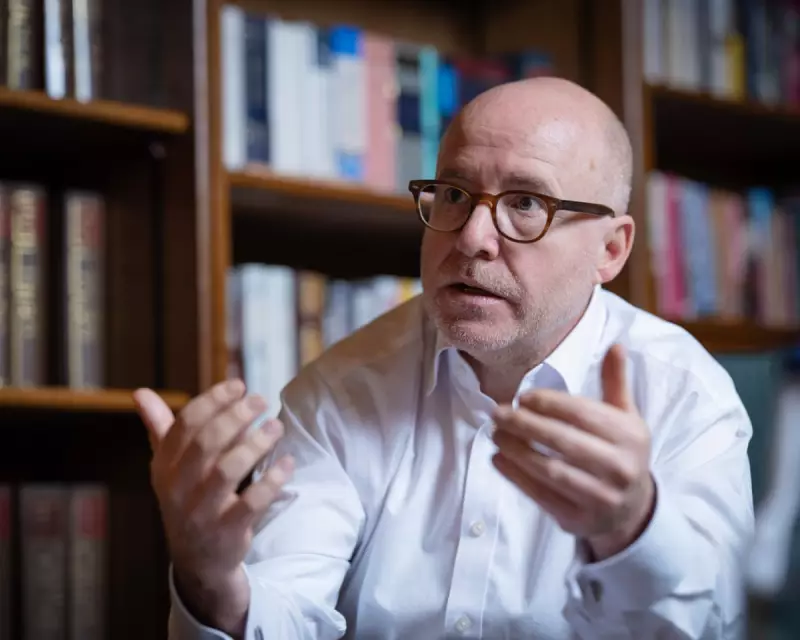
In an exclusive interview with the Guardian, Attorney General Richard Hermer said that in a "complicated and dangerous" world, leaders must employ "statecraft" and weigh a range of factors when deciding whether to hold friendly nations to account. These remarks are his first public comments since the UK government faced questions over its reluctance to explicitly label the United States' attack on Venezuela as illegal.
Hermer, a close political ally of Prime Minister Keir Starmer, refrained from singling out the Trump administration, insisting his views were theoretical. However, his intervention addresses a growing domestic debate about Britain's influence over Washington and its commitment to a rules-based global order.
Domestic Pressure for a Tougher Line
The government's stance has drawn criticism from within the Labour party itself. Figures on the left, alongside senior MPs like Welsh leader Eluned Morgan and Foreign Affairs Committee chair Emily Thornberry, have demanded a more robust approach. On Monday, Thornberry stated clearly: "We need to be clearer that this has been a breach of international law and we do not agree that they should have done it."
Both Starmer and Foreign Secretary Yvette Cooper have avoided stating the Venezuela action constituted a legal breach. The Prime Minister has only commented that the future of Greenland—also threatened by the US—should be decided solely by Denmark and Greenland itself.
Hermer stressed the UK's unwavering commitment to the international system, despite challenges from nations like Russia. He argued that "throwing our muscle around or just kind of flouting rules" would not serve the national interest. Instead, he said, "Our national interest is served by the international rules based order. It gives that degree of certainty and led to greater prosperity."
Drawing a Line Between Law and Diplomacy
The Attorney General drew a distinction between the UK's own duty to comply with international law and the diplomatic calculus involved in responding to others' actions. "There will be a range of factors for any leader with any ally, about choosing when, if at all, to call out breaches of international law … There will be obvious pros and obvious cons. But in a complicated and dangerous world, it is right that statecraft plays a role in that," he explained.
Turning to domestic politics, Hermer launched a staunch defence of Starmer's leadership and issued a warning about the opposition. He claimed a government led by Reform UK would erode fundamental rights and undermine the rule of law. "I have no doubt that Reform would take away rights from working people. They'd undermine the rule of law," he said, expressing "very real concerns" about the prospect of Nigel Farage as Prime Minister.
He defended the European Convention on Human Rights (ECHR), which both Reform and the Conservatives have pledged to leave to tackle illegal migration. Hermer called withdrawal "completely counterproductive," arguing it would place the UK in "splendid isolation" and hinder the international cooperation needed to address the issue.
Addressing public scepticism after years of austerity and political turmoil, Hermer acknowledged it was reasonable for people to doubt politicians' promises. "I am convinced that as we go into this year, we're going to be able to demonstrate to people that we are different, because we are going to be able to start showing that we are matching our promises with action," he stated.
Concluding with a personal defence of the Prime Minister, Hermer, a friend of Starmer for 30 years, admitted frustration that the public does not see his "fundamental decency and kindness." He expressed absolute confidence that Starmer would lead the party into the next election and could turn his popularity around by showing more of his genuine character to the public.