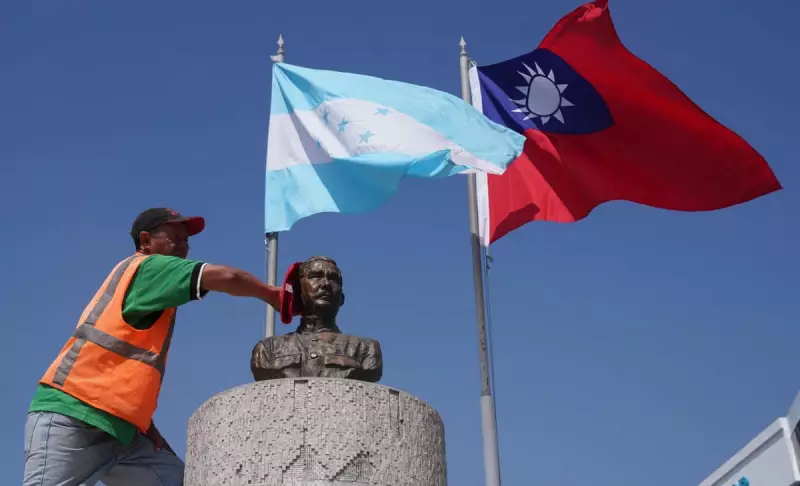
In a striking reversal of foreign policy, Honduras appears poised to sever its diplomatic ties with Beijing and re-establish relations with Taipei, following the outcome of its recent presidential election. This move would undo the decision made just last year by then-President Xiomara Castro to end an 82-year alliance with Taiwan.
A Clear Winner Beyond Borders
Despite a contested election on 30 November marred by technical issues and allegations of fraud, one outcome is certain for the Central American nation: Taiwan has emerged victorious. Both leading presidential candidates, Salvador Nasralla of the Liberal Party and Nasry Asfura, the former mayor of Tegucigalpa, have publicly committed to cutting links with China.
"For Honduras there has been absolutely no benefit from [the relationship with China]," stated Nasralla. His opponent, Asfura, who received an endorsement from former US President Donald Trump days before the vote, concurred, saying, "We were 100 times better off with Taiwan."
The High Cost of Diplomatic Isolation
Honduras had become the ninth of ten nations to abandon Taiwan for China over the past decade, leaving Taipei with just 12 formal diplomatic allies worldwide. This shift is part of Beijing's intense campaign to isolate Taiwan internationally and assert its claim over the island.
However, the anticipated rewards from aligning with the world's second-largest economy have often failed to materialise. In Honduras, the promised replacement of a key export market collapsed. "Shrimp exports collapsed when Chinese buyers didn't replace the 40% of exports absorbed by Taiwan, as promised," noted regional analyst Professor Evan Ellis.
The experience echoes wider regional disillusionment. In Panama, major Chinese infrastructure projects have faced chronic delays or cancellation. Furthermore, corruption allegations have tainted some diplomatic switches. Leaked messages from a former Panamanian president's phone suggested his family business benefited from lucrative orders post-recognition, claims he denies.
US Pressure and Shifting Allegiances
The geopolitical calculus in Latin America is changing, influenced heavily by renewed US engagement. "The US is pushing back against China in the region and countries choosing to stay with Taiwan is part of this," explained Ellis. "The expectation is that they will be rewarded."
This dynamic was evident when a delegation of 10 Panamanian lawmakers visited Taipei in November. After receiving intimidating WhatsApp messages from the Chinese ambassador to cancel the trip, the US ambassador intervened to offer reassurance and support.
The trend suggests a halt to Taiwan's diplomatic decline in the region. Beyond Honduras, St Vincent and the Grenadines recently dropped a longstanding pledge to recognise China from its governing party's manifesto.
A Transactional Region at a Crossroads
For many Central American nations, the choice between Beijing and Taipei is increasingly framed by practical benefits and geopolitical alignment with Washington. Following Trump's threats regarding the Panama Canal, Panama decided not to renew its membership in China's Belt & Road Initiative and launched legal action against Chinese-run ports.
As the US refocuses on the Caribbean, smaller nations are weighing their options carefully. "It's not the time for a small Caribbean island not too far from major US military operations to be flipping to the PRC," Ellis concluded.
The cleaning of the bust of Dr Sun Yat-sen in Tegucigalpa's Republic of China Square in March 2023 now symbolises a fleeting alignment. With Honduras's impending pivot, the monument to the founding father of the Republic of China may soon represent a reinstated, rather than a severed, connection.