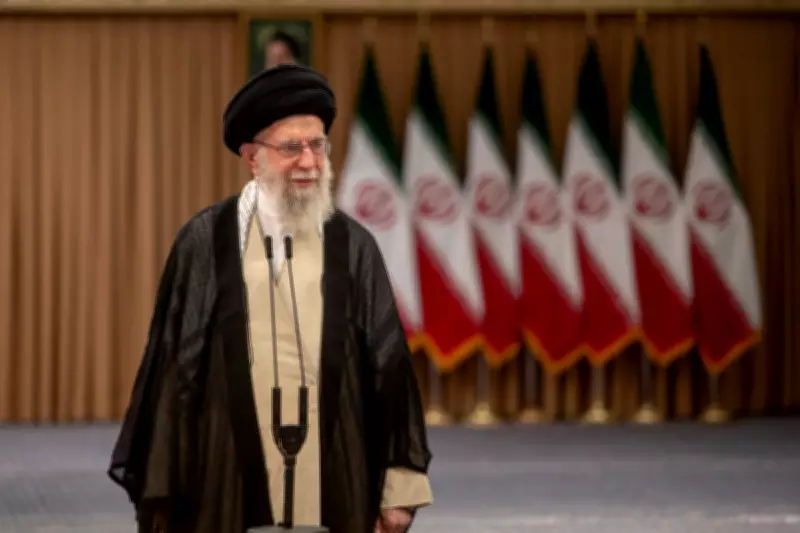
Iran has announced the election of a new supreme leader, according to a senior official from the Assembly of Experts, Ahmad Alamolhoda, who confirmed the development to state media. The identity of the newly appointed leader remains undisclosed at this time.
Context of the Leadership Transition
This significant political shift follows the death of Iran's previous supreme leader, Ayatollah Ali Khamenei, who was killed in an Israeli strike last Saturday. The incident has plunged the region into deeper turmoil, marking a critical juncture in Iran's governance.
Escalating Regional Conflict
The leadership change occurs amidst a rapidly escalating conflict between Iran, the United States, and Israel, now entering its ninth day. Both sides have been conducting a series of strikes, intensifying hostilities across the Gulf region.
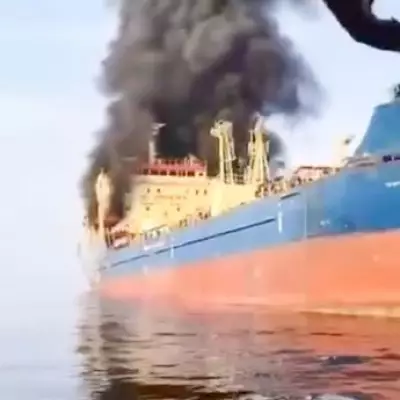
Recent attacks include Israeli strikes on targets in southern Lebanon, Beirut, and oil storage facilities in Tehran. In retaliation, Iran launched a strike on a desalination plant in Bahrain. These exchanges have resulted in over 1,500 casualties reported across the affected areas, highlighting the severe human cost of the ongoing violence.
International Reactions and Warnings
Former US President Donald Trump had previously expressed a desire to personally select Iran's new leader, a statement that has drawn criticism and raised concerns about foreign interference in Iran's internal affairs. Meanwhile, the Israeli military has issued a stark warning, indicating it will pursue any successor to Khamenei, further complicating the geopolitical landscape.
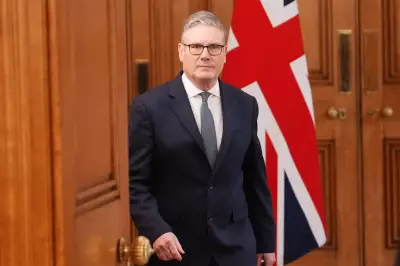
In response to the situation, UK officials have emphasized the need for caution. Shadow Foreign Secretary Yvette Cooper highlighted the importance of learning from past conflicts, stating, 'We have to learn the lessons from Iraq', as she addressed concerns over the UK's lack of involvement in the Iran crisis.
Implications for Regional Stability
The appointment of a new supreme leader comes at a time of heightened tensions, with the potential to influence the trajectory of the conflict. As Iran navigates this leadership transition, the international community watches closely, wary of further escalations that could destabilize the Gulf region and beyond.
The ongoing strikes and military actions underscore the fragile state of affairs, with diplomatic efforts facing significant challenges. The situation remains fluid, with analysts predicting continued volatility as all parties assess their next moves in this complex and dangerous standoff.