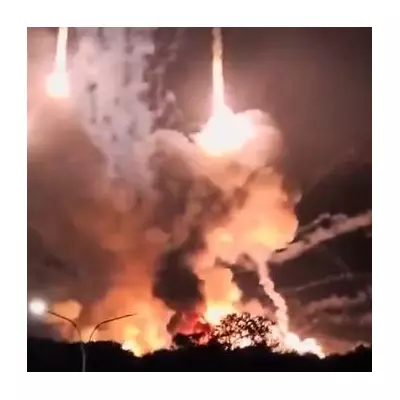
Iranian security forces have detained principal organisers of the widespread protest movement that has shaken the nation for over a fortnight, according to the country's national police chief. The announcement comes amid escalating rhetoric between Washington and Tehran, following former US President Donald Trump's threats of potential intervention.
Widespread Arrests and Severe Charges
The police chief, Ahmad-Reza Radan, stated on state television that "significant arrests were made of the main elements in the riots" during operations on Sunday night. He added that those detained would face legal procedures and punishment. This crackdown follows a warning from Iran's attorney general that protesters, or even those assisting them, could face charges of being "an enemy of God" – a crime punishable by death.
The protests, now in their second week, represent the most serious domestic challenge to Iran's leadership in years. Initially sparked by a sudden devaluation of the national currency, demonstrations have rapidly evolved, with participants calling for sweeping political reforms and an end to the current government.
Communications Blackout and Mounting Casualties
Authorities have moved aggressively to suppress the movement, imposing a near-total nationwide internet blackout since Thursday. Human rights organisations report that this communications shutdown has provided cover for a severe escalation in the state's response.
According to the US-based Human Rights Activists News Agency, at least 116 people have been killed and approximately 2,600 arrested in the violence surrounding the protests. The group asserts that most fatalities resulted from security forces using live ammunition or pellet guns at close range. The Center for Human Rights in Iran reported receiving credible witness accounts indicating the death toll may number in the hundreds.
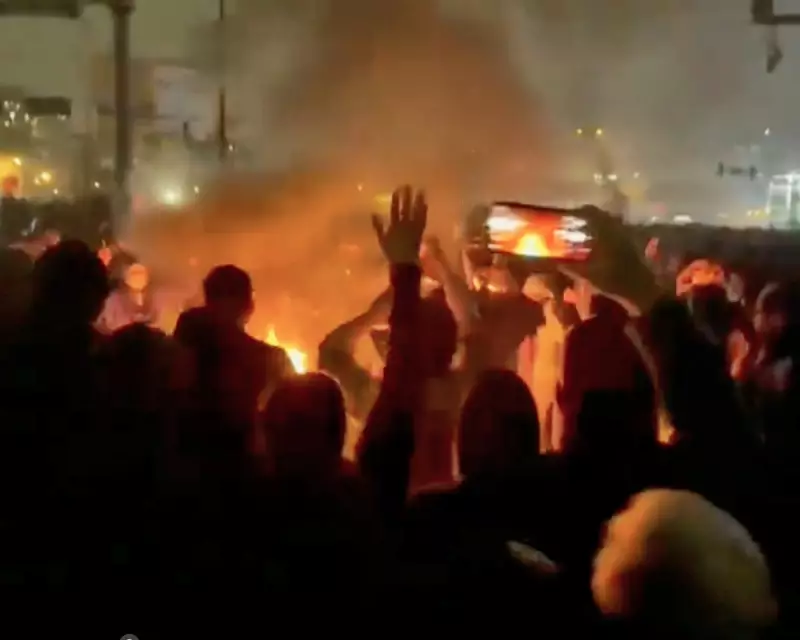
Despite the intense pressure, protests continued overnight on Saturday. Videos emerging via satellite internet services show large crowds in northern Tehran and in Mashhad, the birthplace of Supreme Leader Ali Khamenei, where demonstrators faced off with police, erected roadblocks, and lit fires.
International Threats and Domestic Hardening
The internal crisis is unfolding within a tense international context. Donald Trump has repeatedly threatened US intervention if Iranian authorities kill protesters, posting on Truth Social that "Iran is looking at FREEDOM, perhaps like never before. The USA stands ready to help!!!" Reports suggest US officials have presented military options, though no decision has been made.
These threats have provoked a fierce backlash from Iranian officials. The speaker of parliament, Mohammad-Bagher Qalibaf, warned that US and Israeli assets would become "legitimate targets" if America attacks Iran. This echoes a previous tit-for-tat strike in June, when Iran hit a US base in Qatar after American actions against its nuclear sites.
Domestically, President Masoud Pezeshkian, who initially offered dialogue, has adopted a firmer stance. While acknowledging public concerns, he emphasised the "higher duty" to prevent rioters from destroying society.
First-hand accounts from within Iran paint a dire picture. A protester in Sari reported the city was under martial law, with security forces threatening to shoot anyone outside. An activist relayed a call from a cousin in Tehran fleeing protests where "military weapons" were used on unarmed men, women, and children. Verified footage from the Hengaw group shows bodies in a Tehran warehouse, allegedly protesters killed by authorities.
As the regime confronts this profound domestic challenge, it also remains on high alert for potential external strikes from the US or Israel, with regional stability hanging in the balance.