Iran's top diplomat has issued a sharp rebuke to former US President Donald Trump, labelling his threat of American intervention in ongoing Iranian protests as "reckless and dangerous". The fiery exchange marks a significant escalation in rhetoric between the long-time adversaries.
Trump's 'Locked and Loaded' Threat
The diplomatic row was ignited by a post from Trump on his Truth Social platform on Saturday, 3 January 2026. In the statement, the former president warned, "If Iran shots [sic] and violently kills peaceful protesters, which is their custom, the United States of America will come to their rescue…We are locked and loaded and ready to go."
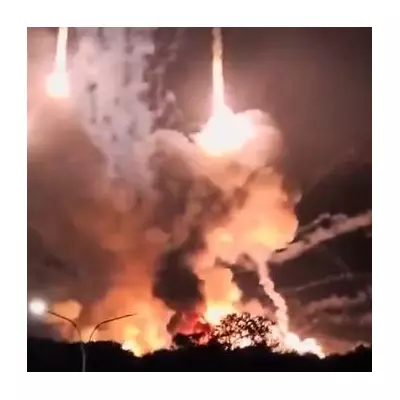
While the precise nature of any potential US response remains unclear, Trump has a history of authorising military action against Iran. During his presidency, he ordered strikes on Iranian nuclear facilities, which subsequently prompted retaliatory missile attacks on a US base in Qatar.
Iran's Forceful Rejection and Military Posture
Responding with defiance, Iran's Foreign Minister, Abbas Araghchi, stated that the nation's armed forces were on standby and "know exactly where to aim" in case of any attack. He emphasised that the Iranian people would "forcefully reject any interference in their internal affairs".
Ali Shamkhani, a senior adviser to Supreme Leader Ayatollah Khamenei, echoed the sentiment, referencing the US record in Iraq and Afghanistan. He warned that "any intervening hand nearing Iran Security on pretexts will be cut off with a regret inducing response".
Protests and Economic Grievances
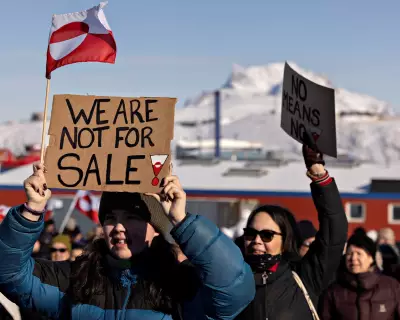
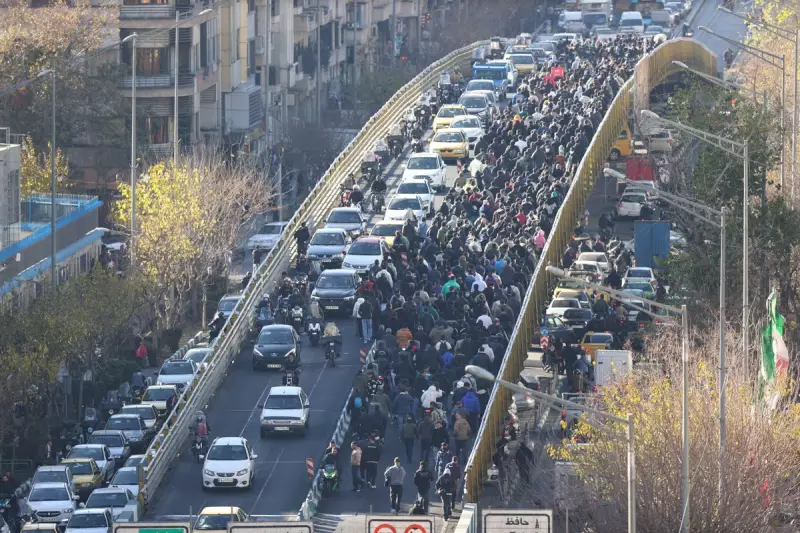
The verbal clash unfolds against a backdrop of significant civil unrest within Iran. As of Saturday morning, at least eight people have died during week-long protests, which represent the largest the country has seen in years.
The demonstrations are primarily driven by the catastrophic collapse of Iran's currency and include calls for the overthrow of Supreme Leader Ayatollah Khamenei. Minister Araghchi sought to distinguish between peaceful protestors affected by "a transient exchange rate volatility" and what he described as "isolated incidents of violent riots".
He cited attacks on a police station and the throwing of Molotov cocktails at officers. Eyewitness footage circulating online appears to show burning and overturned cars outside a police station in Azna, corroborating reports of violence.
Many of Iran's severe economic hardships stem from the initial imposition of US tariffs on the country's government back in 2018, sanctions which have persisted and crippled the economy.
A Diplomatic Crisis in the Making
In a pointed retort, Araghchi drew a parallel to Trump's own domestic policies, noting, "Given President Trump’s deployment of the National Guard within U.S. borders, he of all people should know that criminal attacks on public property cannot be tolerated."
He attributed Trump's provocative message to those who "fear diplomacy or mistakenly believe it is unnecessary". The exchange signals a potential return to the brinkmanship that characterised Trump's previous term, raising fears of a new and dangerous phase in US-Iran relations. With military forces on alert and rhetoric at a boiling point, the international community watches anxiously for the next development.