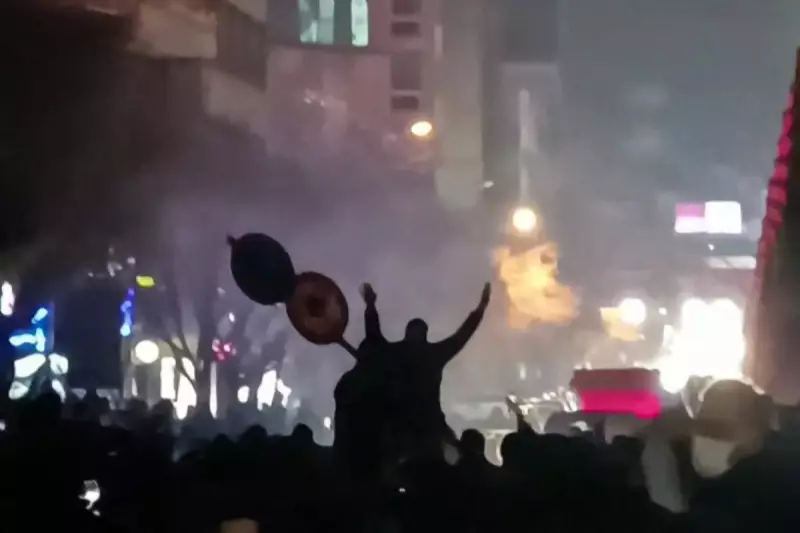
The political crisis in Iran has escalated dramatically, with a leading human rights group reporting the death toll from ongoing anti-government protests has risen to at least 544 people. The unrest, now in its third week, has prompted a severe crackdown from Tehran and drawn the attention of the United States, with President Donald Trump stating he is reviewing "some very strong options".
Trump's Response and Escalating Tensions
President Trump confirmed he is receiving hourly updates on the situation and indicated that Iran was beginning to cross his "red line". According to a report in The Wall Street Journal, Trump is scheduled to meet with senior officials, including Secretary of State Marco Rubio and Defence Secretary Pete Hegseth, on Tuesday 13 January to weigh potential responses.
These options are said to include military strikes, new sanctions, cyber operations, and boosting anti-government sources online. The meeting will also involve Joint Chiefs Chair General Dan Caine. This development follows a stark warning from Iran's parliamentary speaker, who stated that US bases and ships, as well as Israeli targets, would be considered fair game if Washington intervenes, raising fears of a wider regional conflict.
Brutal Crackdown and International Condemnation
Inside Iran, authorities have moved decisively to quell the demonstrations. The head of Iran's police warned that forces would respond "decisively, swiftly and forcefully" to what they term "violent rioters". Protesters have been warned they could face the death penalty for damaging property, while the military has blamed foreign "enemies" for fuelling the unrest.
The US-based Human Rights Activists News Agency (HRANA) reported that, in addition to the rising fatalities, more than 10,681 individuals have been arrested. Protests have been recorded in 585 locations across 186 cities, spanning all 31 provinces. The flow of information remains severely hampered by a nationwide internet blackout imposed since last Thursday.
United Nations Secretary-General Antonio Guterres expressed he was "shocked by reports of violence" and urged maximum restraint. He emphasised that the rights to freedom of expression, association, and peaceful assembly must be fully respected.
Domestic and International Political Reactions
Within the US, Republican Senator Rand Paul cautioned against military action, arguing that bombing Iran would likely cause its people to rally around the regime. "I don't think it's the job of the American government to be involved with every freedom movement around the world," Paul stated on ABC's This Week.
In the UK, Shadow Foreign Secretary Dame Priti Patel condemned the Iranian regime's "senseless brutality", stating: "the despots of Tehran must know they cannot stop the will of the Iranian people in their fight for freedom."
As the situation continues to develop, the international community watches closely, balancing condemnation of the violent crackdown with the risks of a potentially catastrophic escalation should direct foreign intervention occur.