US Intelligence Uncovers Iranian Leader's Doubts Over Son's Succession
In a significant revelation, US intelligence agencies have reportedly uncovered that the late Ayatollah Ali Khamenei, Iran's former Supreme Leader, harbored serious concerns about his son Mojtaba Khamenei's ability to succeed him. According to sources, this information has been communicated to former US President Donald Trump and his closest allies by American officials, shedding new light on internal dynamics within Iran's leadership.
Details of the Intelligence Report
The report, as disclosed to CBS, indicates that Ayatollah Khamenei viewed his son as not very bright and unqualified to assume the role of Supreme Leader. This assessment was based on evidence suggesting that Mojtaba lacked the necessary intellectual capabilities and leadership qualities required for such a high-stakes position. The findings come amid ongoing speculation about succession plans in Iran, following the death of Ayatollah Khamenei.
Implications for US-Iran Relations
This intelligence has potential ramifications for US foreign policy, particularly under the Trump administration, which has historically taken a hardline stance against Iran. The revelation could influence future diplomatic strategies and negotiations, as it provides insight into the vulnerabilities and internal conflicts within Iran's ruling elite. US officials are likely to use this information to assess the stability and direction of Iran's government.
Background on Mojtaba Khamenei
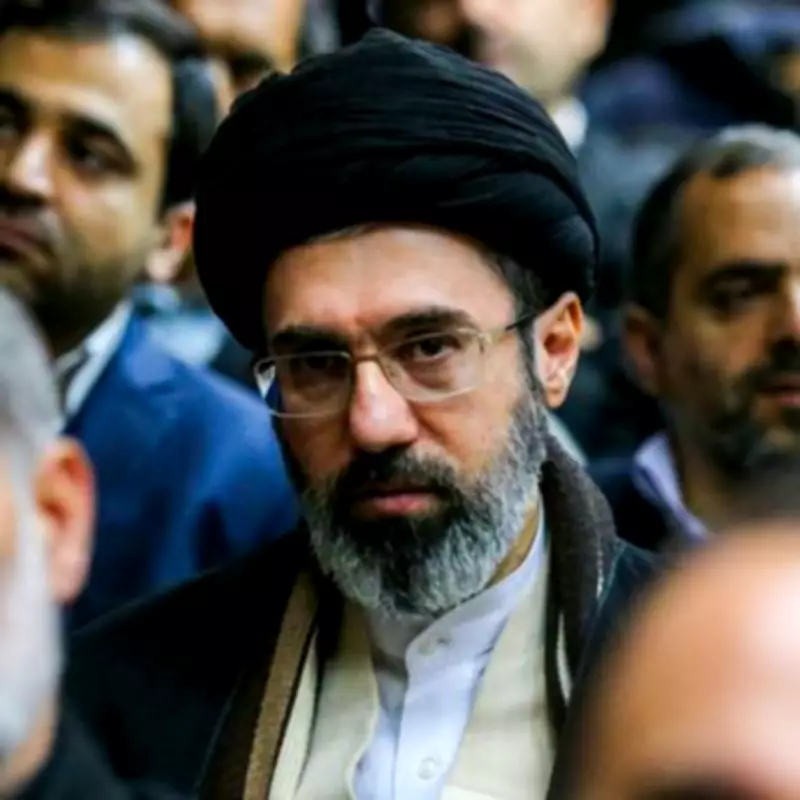
Mojtaba Khamenei, a prominent figure in Iranian politics, has long been considered a potential successor to his father. However, this new information suggests that his path to leadership may have been obstructed by his father's own reservations. The report highlights the complexities of nepotism and meritocracy in authoritarian regimes, where family ties often clash with practical governance needs.
As this story develops, it underscores the ongoing intelligence efforts by the US to monitor and understand geopolitical rivals. The disclosure to Trump and his allies reflects the strategic importance of such intelligence in shaping policy decisions and international relations.