Iran's New Supreme Leader Issues Defiant Threats Against US Bases
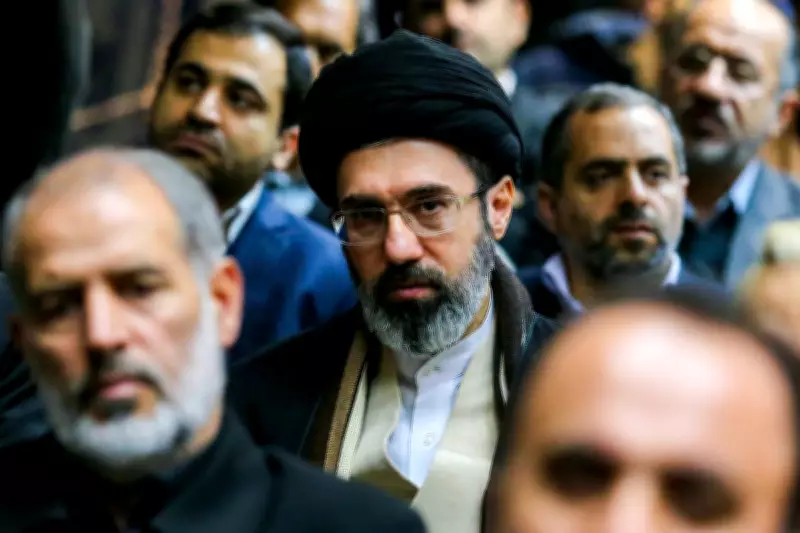
Mojtaba Khamenei, the newly appointed supreme leader of Iran, delivered a defiant first public address on Thursday, threatening new attacks on US military bases in the region and vowing to avenge the blood of Iranian martyrs. The 56-year-old leader, who replaced his late father on Sunday, made the statements in a message read out by a state television broadcaster, marking his emergence as Iran's top authority amid escalating regional tensions.
Khamenei's Call for Unity and Revenge
In his address, Khamenei called for unity among Iranians from all walks of life while directly threatening retaliation for war casualties. He personally related to the losses, stating, "I lost my father, I lost my wife. My sister lost her child as well as the husband who has been martyred." He emphasized that patience and trust in God would help endure these plights, but assured that Iran would not ignore the need for revenge. This message comes after an attack on an elementary school in Minab, where Iran claims 175 people, including many children, were killed on the conflict's first day.
Threats to US Bases and Regional Strategy
Khamenei explicitly demanded the closure of all US bases in the region, warning of potential future attacks if this demand is not met. He also signaled the continuation of Iran's blockade of the Strait of Hormuz, describing it as a leverage tool to pressure the United States. Despite ongoing strikes and disruption, he claimed Iran maintains a policy of friendship with its neighbors, though this assertion contrasts with the heightened military actions in the area.
Oil Crisis and Global Impact
The International Energy Agency has issued a stark warning, declaring that the world is now facing the worst oil supply disruption in history. This follows a series of attacks on fuel tankers in the Gulf, which have caused oil prices to surge past $100 per barrel once again. The economic ramifications are global, with businesses and consumers feeling the pinch as energy costs skyrocket.
Israel Expands Operations in Lebanon
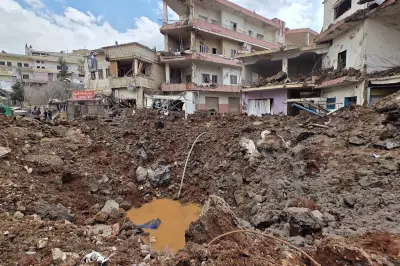
Meanwhile, Israel has announced plans to expand its military operations in Lebanon, threatening to take territory due to perceived threats from Hezbollah. This comes after the heaviest night of bombing on Beirut since the conflict began ten days ago, with aircraft roaring above the capital and fiery explosions lighting up the sky. Israel reported striking nearly a dozen locations in southern suburbs within just half an hour, resulting in at least eight deaths along Beirut's iconic waterfront, where displaced families were sleeping rough.
Humanitarian Crisis and Displacement
The United Nations Refugee Agency has revealed that up to 3.2 million people have been displaced inside Iran since the war erupted on 28 February. Humanitarian groups also warn that approximately one million people have been displaced in Lebanon, highlighting the severe human toll of the ongoing conflicts. These figures underscore the growing refugee crisis in the region, with millions forced to flee their homes amid the violence.
Political Reactions and Cyberattacks
In a related development, former US President Donald Trump commented on the situation via Truth Social, stating that the US benefits from high oil prices as the world's largest oil producer. He emphasized his focus on preventing Iran from obtaining nuclear weapons, writing, "I won't ever let that happen!" Additionally, Iranian-linked hackers claimed responsibility for a cyberattack on US-based medical equipment supplier Stryker, causing global system outages as retaliation for attacks on Iranian infrastructure.
White House Controversy
The White House faced backlash for sharing a cartoonish bowling video promoting airstrikes on Iran, which was criticized online as "cringeworthy" and "absolutely shameful." The 34-second clip, uploaded to social media, features bowling legend Pete Weber and has been condemned for trivializing the serious nature of military conflict, with critics arguing that war is not a game.
As tensions continue to spiral, the region remains on edge, with Khamenei's threats adding to the volatile mix of military actions, economic disruptions, and humanitarian crises. The international community watches closely, with concerns mounting over the potential for further escalation and its global implications.