Pakistani Businessman Convicted in Iran-Linked US Political Assassination Plot
Iran-Linked Political Assassination Plot Conviction in US

Pakistani Businessman Convicted in Iran-Linked US Political Assassination Plot

A Pakistani business owner who attempted to hire assassins to kill an American politician has been convicted in a federal trial that exposed allegations of Iranian-backed plotting on United States soil. The case has raised significant concerns about foreign interference in American political processes and national security vulnerabilities.

Trial Reveals Disturbing Details of Foreign-Backed Plot

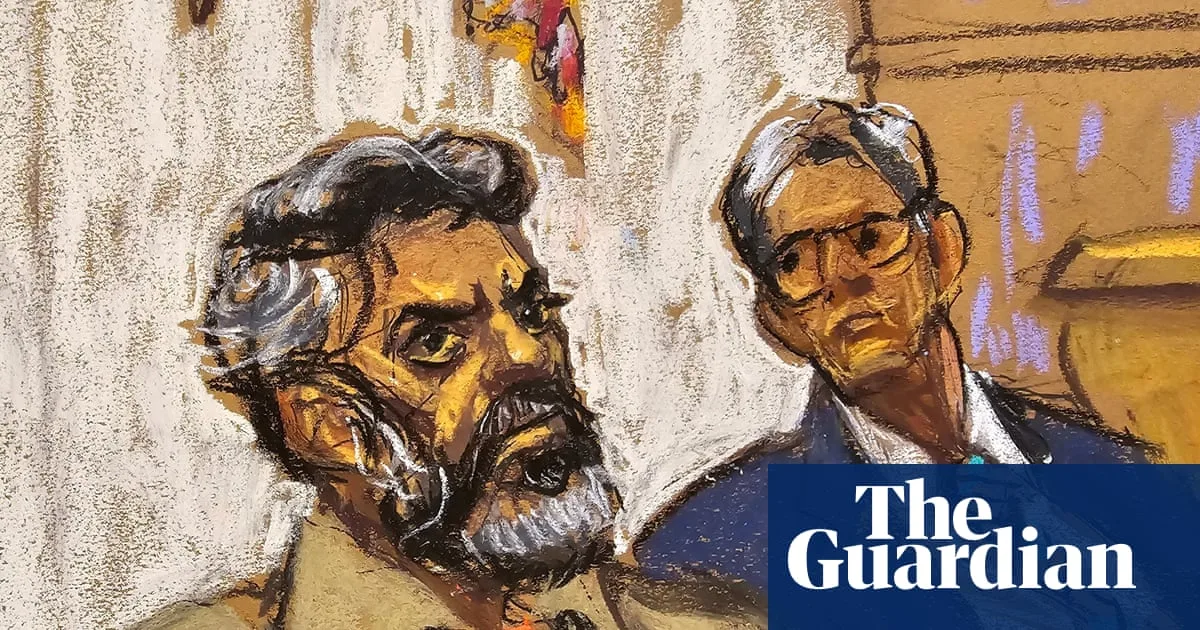
Asif Merchant, a 47-year-old Pakistani national with business interests in clothing and textiles, was convicted on terrorism and murder-for-hire charges following a weeklong trial in Brooklyn federal court. The jury reached their verdict after just a few hours of deliberation, reflecting the strength of evidence presented by prosecutors.

During the trial, Merchant testified that he was acting under instructions from a contact within Iran's powerful paramilitary Revolutionary Guard. According to his courtroom statements, his handler never specified a particular target but discussed potential victims including then-candidate Donald Trump, then-President Joe Biden, and former UN Ambassador Nikki Haley during the 2024 presidential campaign period.

The Iranian government has consistently denied any involvement in attempts to assassinate American officials, dismissing such allegations as "unsubstantiated and malicious." However, the United States government considers the Revolutionary Guard a foreign terrorist organization, adding significant weight to the prosecution's case.

How the Plot Unraveled Through FBI Investigation

The assassination scheme began to collapse when Merchant approached an acquaintance about his plans, using objects on a napkin to demonstrate how a shooting at a political rally might be executed. He asked this individual to help him hire professional killers, but instead found himself introduced to undercover FBI agents who were secretly recording their conversations.

In a subsequent meeting with what he believed were hired assassins, Merchant paid $5,000 in cash inside a parked car in Manhattan and requested services that included killing "some political person." These supposed hitmen were actually federal agents who had been monitoring his activities for some time.

"This man landed on American soil hoping to kill President Trump — instead, he was met with the might of American law enforcement," declared U.S. Attorney General Pam Bondi in a statement released following the conviction. Merchant now faces the possibility of life imprisonment for his crimes.

Defendant's Claims of Coercion and Personal Circumstances

Merchant maintained throughout the trial that he felt compelled to follow his handler's instructions to protect family members living in Iran. He testified that he reluctantly went through the motions of the assassination plot while believing he would be arrested before any actual violence could occur, at which point he planned to explain his situation to authorities.

"I was going along with it," Merchant stated through a court interpreter, speaking in Urdu during his testimony. He described meeting a Revolutionary Guard intelligence operative approximately three years earlier, receiving countersurveillance training, and being given assignments that included the assassination scheme.

Prosecutors countered these claims by emphasizing that Merchant admitted taking concrete steps to enact the assassination plan and never proactively approached authorities about his situation. They noted that when he later spoke to FBI agents about a potential cooperation agreement, he failed to mention any fears for his family's safety, undermining his defense of acting under duress.

Broader Context and Security Implications

The conviction comes against a backdrop of heightened tensions between the United States and Iran, particularly during the period when the Iran war unfolded in the Middle East. Merchant was arrested on July 12, 2024, while packing for a flight to Pakistan — just one day before an unrelated attempt on Donald Trump's life in Butler, Pennsylvania.

While officials stated that the Butler gunman appeared to have acted alone, they acknowledged having been tracking threats against Trump's life originating from Iran. This case has prompted renewed discussions about the effectiveness of American counterterrorism measures and the ongoing challenges of preventing foreign-sponsored political violence.

Merchant's attorney, Avraham Moskowitz, did not immediately respond to requests for comment following the conviction. The defendant, who worked for Pakistani banks for decades before entering the clothing business, maintained families in both Pakistan and Iran and visited the United States periodically for his garment trade.