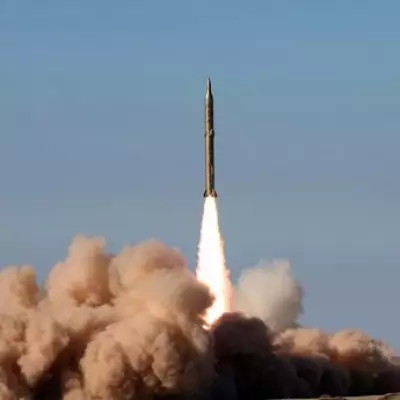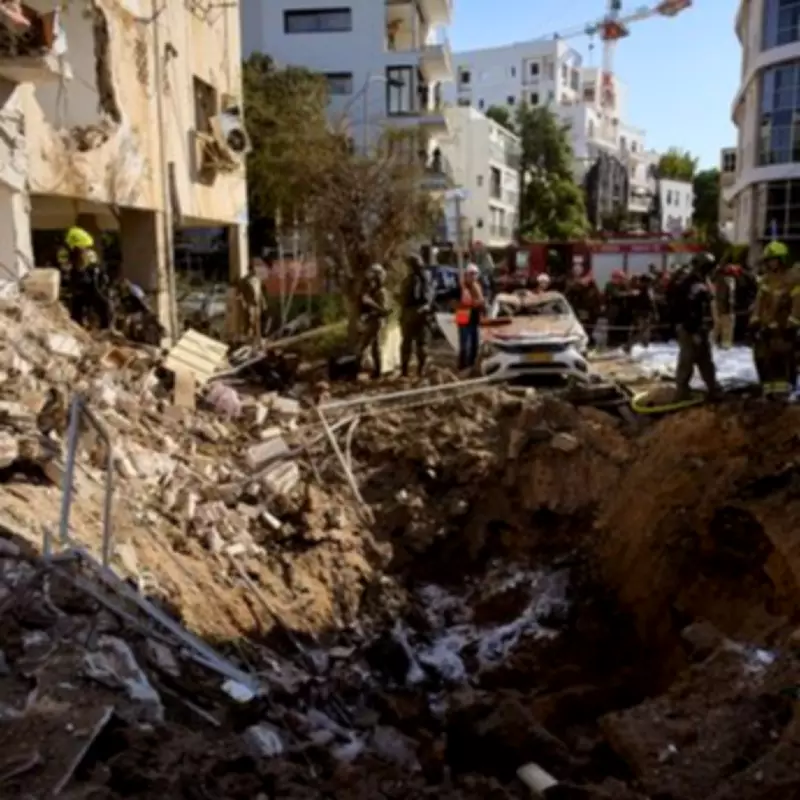
Iran has executed a substantial missile offensive against Israel, initiating air raid sirens across the nation, with Tel Aviv among the primary targets. This aggressive military action occurred mere hours after former US President Donald Trump publicly stated that "very good and productive" negotiations had taken place with Iran, aimed at de-escalating the protracted Middle East conflict.
Escalation Amid Diplomatic Efforts
The missile launch represents a stark escalation in regional hostilities, directly contradicting recent diplomatic overtures. Reports confirm that a large wave of projectiles was fired from Iranian territory, prompting immediate defensive responses from Israeli authorities. The timing of this attack raises serious questions about the viability of ongoing peace initiatives and the true intentions behind Iran's military strategy.
Immediate Impact and Regional Tensions
Air raid alerts were activated throughout Israel as the missiles approached, causing widespread concern among civilians and military personnel alike. The targeting of Tel Aviv, a major metropolitan and economic hub, underscores the severity of this assault. This incident exacerbates already heightened tensions in the Middle East, potentially derailing fragile diplomatic progress and increasing the risk of a broader regional confrontation.

Trump's Claims and International Reaction
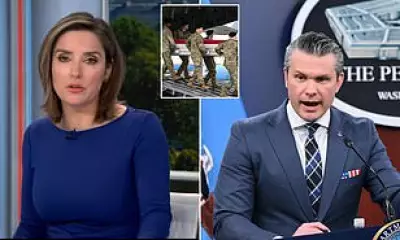
Donald Trump's assertion of productive talks with Iran adds a complex layer to the unfolding crisis. His comments, made just prior to the missile launch, suggested a possible breakthrough in resolving longstanding disputes. However, Iran's subsequent military action casts doubt on the sincerity of these discussions and highlights the deep-seated animosities that continue to fuel conflict in the area. The international community is closely monitoring developments, with many leaders calling for restraint and a return to dialogue.
Broader Implications for Middle East Stability
This missile attack not only threatens immediate security but also has profound implications for regional stability. It challenges the effectiveness of current diplomatic channels and may prompt retaliatory measures from Israel, further escalating the situation. Analysts warn that such actions could undermine efforts to achieve a lasting peace, emphasizing the need for robust international mediation to prevent a full-scale war.
The situation remains fluid, with ongoing assessments of damage and casualties. As events continue to unfold, the world watches anxiously, hoping for a de-escalation that prioritizes civilian safety and regional harmony over military aggression.