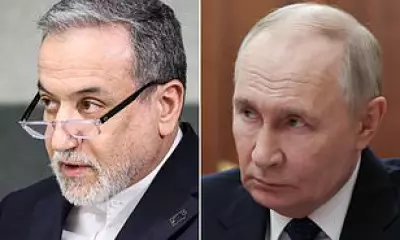
Iranian officials have stated that the country is refusing to export its substantial stockpile of highly enriched uranium, but is willing to dilute its purity under international supervision. This proposal is set to form the core of Iran's upcoming offer to the United States, as President Donald Trump contemplates potential military strikes against the nation.
Iran's Nuclear Proposal Details
According to sources within Iran, the nation currently holds a stockpile of uranium enriched to 60%, which is alarmingly close to weapons-grade levels. In a significant concession, Iran has expressed readiness to down-blend this material to a purity of 20% or lower. This process would be conducted inside Iran under the vigilant oversight of the International Atomic Energy Agency (IAEA), the UN's nuclear watchdog.
No Demand to Abandon Enrichment Rights
Iranian Foreign Minister Abbas Araghchi has clarified that the United States has not demanded Iran relinquish its right to enrich uranium domestically. Instead, the negotiations are primarily focused on two critical aspects: the permissible purity level of the enriched uranium and the number of centrifuges Iran will be allowed to operate. Araghchi emphasized this point in a recent US interview, stating, "Washington has not asked Tehran to permanently suspend uranium enrichment." He further denied reports of Iran proposing a temporary two to three-year suspension of enrichment activities.

Contradictory US Stance
This Iranian account stands in direct contrast to statements from US officials. Mike Waltz, the US Ambassador to the UN, indicated that the American position seeks "zero enrichment" by Iran. This discrepancy highlights the ongoing diplomatic tensions and the complex nature of the negotiations between the two nations.
Rejection of Overseas Consortium and Export
Previous discussions had explored the possibility of Iran's stockpile being transferred to Russia or integrating Iran's domestic enrichment program into an international consortium. However, Iranian sources have firmly dismissed these ideas, asserting that the consortium concept has not been formally proposed. A government-aligned Iranian diplomat was quoted as saying, "We emphasised this position during the negotiations that nuclear materials will not leave the country."
Critical Role of IAEA Inspections
Given Iran's firm stance, the success of any potential agreement will heavily depend on the level of access granted to the IAEA for inspecting Iran's nuclear facilities. The extent of these inspections will be a pivotal factor in verifying compliance and building international trust.
Regional Implications and Warnings
Reza Nasri, an Iranian lawyer with connections to the foreign ministry, issued a stark warning regarding the broader regional consequences. He cautioned that if Iran were attacked while diplomatic solutions remained viable, other states in the Middle East might conclude that "nuclear weapons are the only real deterrent against the US and Israel." This statement underscores the high stakes involved, extending beyond bilateral relations to regional security dynamics.
Domestic Unrest and International Scrutiny
Amid these nuclear negotiations, Iran is also grappling with internal dissent. Protests have erupted at several universities, including Mashhad University of Medical Services and at least two institutions in Tehran. Students at Sharif University chanted anti-government slogans, leading the university president to warn that authorities might revert to online classes if the demonstrations continued.
Furthermore, Iran faces increased international scrutiny at the UN Human Rights Council. Afsaneh Nadipour, a former Iranian ambassador to Denmark, is set to take her seat as a full member of the council's advisory committee. Her role, which involves providing input on women's rights, is likely to attract protests and criticism during the council's upcoming session in Geneva.
The Iranian proposal on uranium dilution is poised to be a decisive factor in determining the next steps for the United States. As the world watches, the outcome could either pave the way for a diplomatic resolution or escalate into a military confrontation with far-reaching implications for global stability.