Iran Defies Trump's Strait of Hormuz Ultimatum with Dire Threats
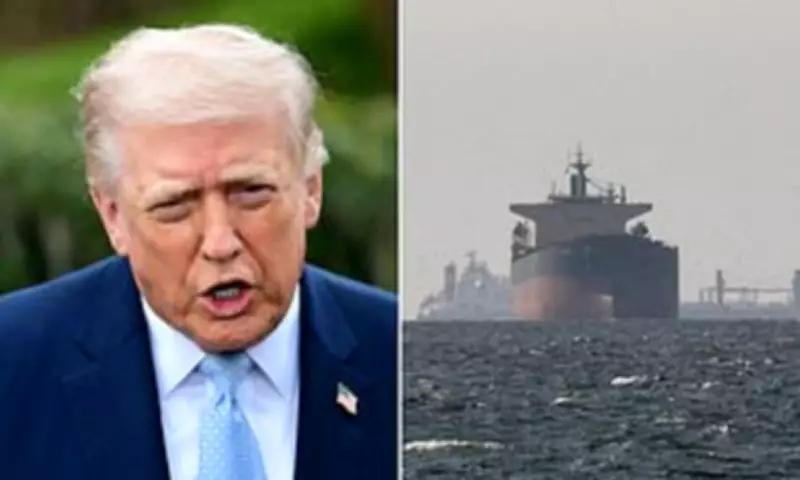
Iran has ferociously rejected an ultimatum from Donald Trump to reopen the Strait of Hormuz, issuing a stark warning that it would destroy energy infrastructure across the entire region if its power plants are targeted. The escalating confrontation follows Trump's demand on Saturday that Tehran allow cargo through the vital global shipping lane "without threat" within 48 hours or face having their power plants "obliterated."
Trump's Ultimatum and Iran's Defiant Response
Donald Trump issued his warning to Tehran on Saturday, stating that if Iran didn't fully open the Strait of Hormuz without threat within 48 hours, the United States would "hit and obliterate their various power plants, starting with the biggest one first." He doubled down on these threats yesterday, telling Iran it would face "total decimation" if it failed to comply, adding that Iran had "been very bad for 47 years" and was now "getting their comeuppance."
Iranian President Masoud Pezeshkian responded defiantly, stating that Tehran would "firmly confront delirious threats on the battlefield" despite nearly its entire top leadership being wiped out by devastating US-Israeli precision strikes. He declared that "the illusion of erasing Iran from the map shows desperation against the will of a history-making nation" and that "threats and terror only strengthen our unity."

Threats to Regional Energy Infrastructure and Shipping
The Iranian regime hit back with its own severe warnings, stating that if its power plants were targeted, then energy infrastructure "across the entire region" would be "irreversibly destroyed." A spokesman for the Iranian armed forces warned that if the US carries out its threats, the Strait of Hormuz "will not reopen until our damaged power plants are rebuilt."
Iran also threatened that the Strait of Hormuz – through which it still allows some nations friendly to Iran safe passage – would be "completely closed" and that they would hit Israeli nuclear sites. The regime warned that if the US invades Kharg Island to seize the strategically vital territory through which Iran exports 90 percent of its crude oil, it would "face a response that is unprecedented" as they would "set fire to all the facilities in the region," which would likely crash the global economy.
Escalating Conflict and Regional Strikes
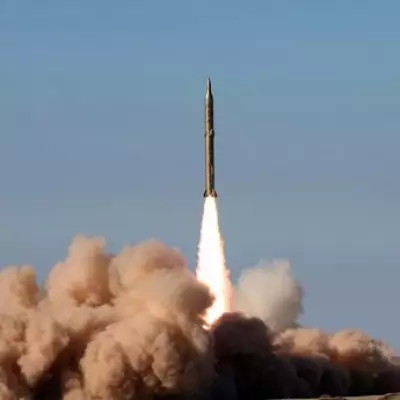
The threats come after Iranian missiles hit two towns near a nuclear plant in Dimona, southern Israel, injuring more than 160 people, including 70 children. This was thought to be retaliation for a reported Israeli strike on the Natanz nuclear facility in Iran. Israel's military said Iran has fired more than 400 ballistic missiles at the country since the start of the war, with around 92 percent intercepted.
As the conflict enters its fourth week, Iran's chokehold over the Strait of Hormuz, through which 20 percent of global oil passes, is ramping up pressure. Oil prices have risen 50 percent to over $100 (£75) with fears they could double, potentially sparking a global recession.
International Concerns and Military Movements
The World Health Organisation (WHO) has warned that the war has now entered a "perilous stage." WHO director-general Tedros Adhanom Ghebreyesus urgently called on all parties to "exercise maximum military restraint and avoid any actions that could trigger nuclear incidents."
Thousands of US Marines are heading to the region as Washington decides how to force open the Strait. The US is reportedly mulling a potential invasion of Kharg Island to seize the strategically vital territory and force Tehran to surrender.
Continued Regional Violence and Warnings
Israel has vowed to continue hitting Iran for at least another three weeks, with IDF chief of staff Lieutenant General Eyal Zamir stating "we are halfway through, but the direction is clear." Benjamin Netanyahu visited the sites of the Iranian strike on Arad, near Dimona, and vowed to go after the Iranian Revolutionary Guard Corps "personally, their leaders, their installations, their economic assets."

Iran continued its strikes on Gulf neighbours last night, with Saudi Arabia's defence ministry saying three ballistic missiles were detected around the capital yesterday. The IRGC also warned residents to evacuate Doha, Qatar "as quickly as possible" as it stated the area is now a "legitimate target" due to US forces stationed there. Near Baghdad Airport in Iraq, at least three drones hit the American diplomatic and logistics hub.