Iran Issues Global Threat to Tourist Destinations Amid Ongoing Conflict
Iran's top military spokesman issued a stark warning on Friday, declaring that "parks, recreational areas and tourist destinations" around the world will not be safe for Tehran's enemies. This threat comes nearly three weeks into a series of U.S.-Israeli strikes that have killed multiple Iranian leaders and severely damaged the country's weapons and energy industries.
Escalating Attacks and Regional Turmoil
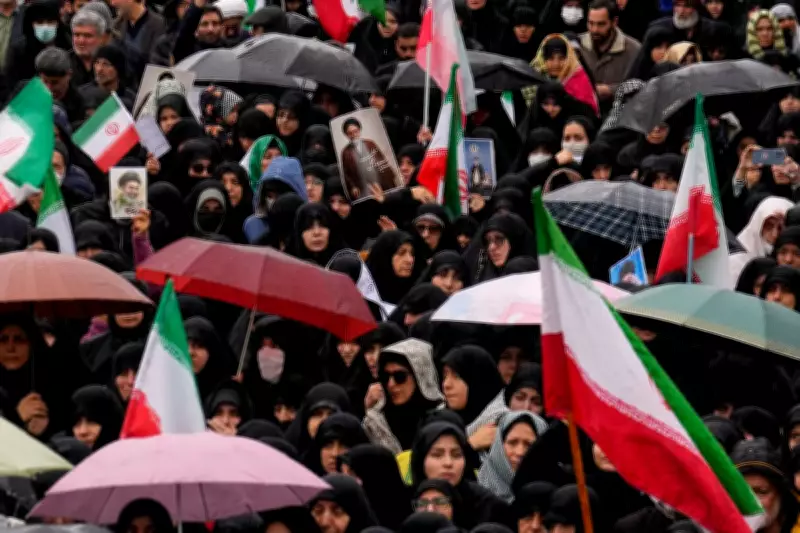
On Friday, Iran launched attacks on Israel and energy sites in neighboring Gulf Arab states, coinciding with Eid al-Fitr, one of the holiest days in the Muslim calendar. Meanwhile, Iranians were observing Nowruz, the Persian New Year, which has been markedly subdued this year due to the conflict. The war began on February 28, and with limited information emerging from Iran, the extent of damage to its arms, nuclear, or energy facilities remains unclear, as does the true leadership of the country following the death of Supreme Leader Ayatollah Ali Khamenei in an Israeli airstrike.
Despite these challenges, Iran has demonstrated its capacity for attacks that are disrupting oil supplies and impacting the global economy, driving up food and fuel prices far beyond the Middle East. The U.S. and Israel have provided varying justifications for the war, ranging from attempts to incite an uprising against Iran's leadership to eliminating its nuclear and missile programs. However, no public signs of such an uprising have emerged, and there is no end in sight to the hostilities.

Military Statements and Casualties
The threat from Gen. Abolfazl Shekarchi has renewed concerns that Iran may resort to using militant attacks outside the Middle East as a pressure tactic. U.S. and Israeli officials claim that weeks of strikes have devastated Iran's military, including the killing of its supreme leader, the head of its Supreme National Security Council, and numerous other high-ranking military and political figures. On Friday, the Israeli military announced that Esmail Ahmadi, head of intelligence for the Basij internal security force, was killed in a strike earlier in the week.
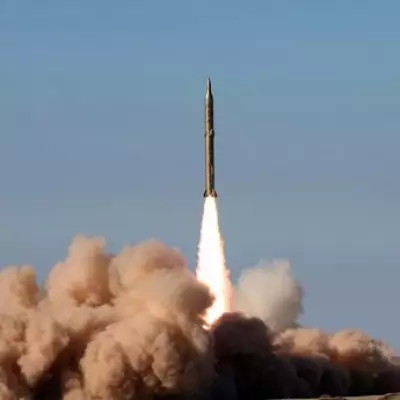
Israeli Prime Minister Benjamin Netanyahu asserted on Thursday that Iran's navy has been sunk and its air force crippled, while also claiming that its ballistic missile production capabilities have been neutralized. Iran's paramilitary Revolutionary Guard disputed this, with spokesman Gen. Ali Mohammad Naeini stating in the state-run IRAN newspaper, "We are producing missiles even during war conditions, which is amazing, and there is no particular problem in stockpiling." Shortly after this statement, Iranian state television reported that Naeini was killed in an airstrike.
The new Supreme Leader, Ayatollah Mojtaba Khamenei, who has not been seen since succeeding his father, released a rare statement emphasizing that Iran's enemies must have their "security" taken away.
Energy Site Attacks and Regional Impact
Iran has intensified its assaults on energy sites in Gulf Arab states following Israel's bombing of Iran's South Pars offshore natural gas field earlier in the week. Early Friday, two waves of Iranian drones attacked a Kuwaiti oil refinery, sparking a fire at the Mina Al-Ahmadi facility, which processes approximately 730,000 barrels of oil per day and is one of the largest in the Middle East. This refinery was also damaged in another Iranian attack on Thursday.
Bahrain reported a fire caused by shrapnel from an intercepted projectile landing on a warehouse, while Saudi Arabia stated it shot down multiple drones targeting its oil-rich Eastern Province. In Dubai, heavy explosions shook the city as air defenses intercepted incoming fire during Eid al-Fitr celebrations. In Iran, Nowruz observances were marred by new Israeli strikes and explosions heard over Tehran.
Loud explosions were also reported in Jerusalem after the Israeli army warned of incoming Iranian missiles, with first responders treating two lightly wounded individuals in their 70s. Israel has expanded its attacks to Syria, targeting infrastructure in response to alleged attacks on the Druze minority, though Syria's state-run SANA news agency has not yet acknowledged this.

Human Toll and Economic Consequences
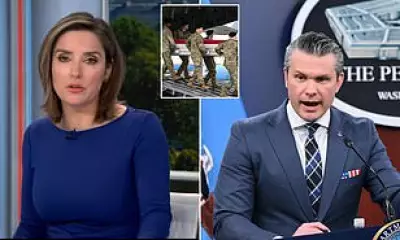
The conflict has resulted in significant casualties, with over 1,300 people killed in Iran. Israeli strikes in Lebanon have displaced more than 1 million people, according to the Lebanese government, which reports over 1,000 deaths. Israel claims to have killed more than 500 Hezbollah militants. In Israel, 15 people have died from Iranian missile fire, and four were killed in the occupied West Bank by an Iranian missile strike. At least 13 U.S. military members have also lost their lives.
The war is exacerbating risks to the global economy, particularly through Iran's attacks on energy infrastructure in the Gulf and its control over shipping in the Strait of Hormuz, a critical waterway for transporting a fifth of the world's oil and other essential goods. Brent crude oil prices have surged to around $107, up more than 47% since the war began, compounding existing struggles with high food and consumer goods prices worldwide.
Asia is particularly affected, as most oil and gas from the Strait of Hormuz is destined for the region. However, price shocks are reverberating globally, with key raw materials like helium for computer chips and sulfur for fertilizer facing potential shortages, further driving up costs throughout supply chains.