Iran's Threat to Gulf Desalination Plants Risks Catastrophic Water Crisis
Iran has issued a stark warning of "irreversible destruction" targeting water infrastructure across Gulf nations, escalating tensions in the Middle East. This threat comes in response to former US President Donald Trump's earlier warning about attacking Iran's electricity grid, raising fears of mass disruption to water supplies that are vital for civilian and economic survival in the region.
Why Desalination Plants Are Critical to Gulf Nations
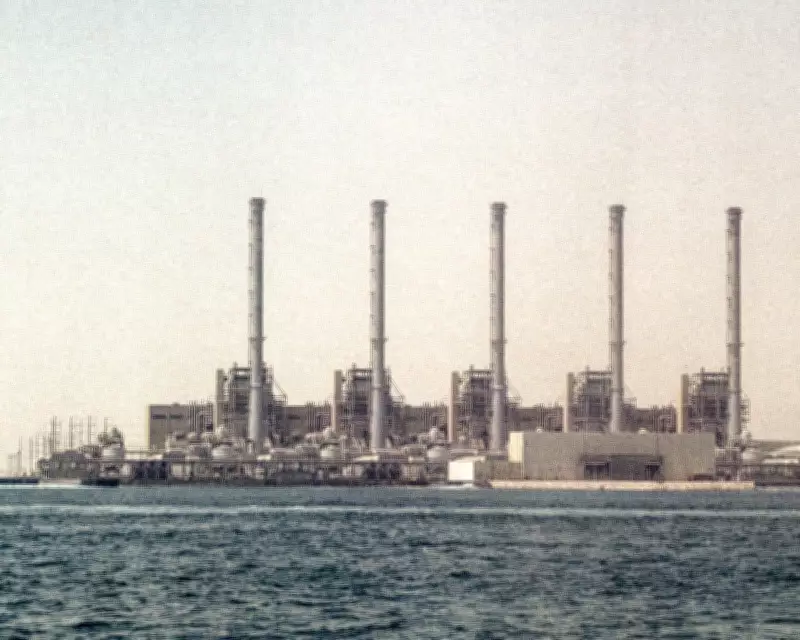
Desalination plants are among the most sensitive civilian infrastructures in the Gulf, performing a simple yet essential role: converting seawater into drinking water by removing salt and minerals, primarily through reverse osmosis. These facilities are indispensable for the survival of Gulf countries, which include Saudi Arabia, the United Arab Emirates, Qatar, Bahrain, Kuwait, and Oman.
Located in an arid desert environment with minimal rainfall, few lakes or rivers, and limited natural freshwater springs, these nations rely heavily on desalination. For instance, Kuwait obtains approximately 90% of its water from desalination plants, while Saudi Arabia depends on them for about 70% of its supply.

The construction of desalination plants began in the 1960s and 1970s, coinciding with the oil and gas boom, and expanded in the 1990s as countries like the UAE pushed for urbanization and growth in cities such as Dubai.
Strategic Vulnerability of Desalination Infrastructure
Desalination plants are highly strategic targets due to their concentrated role in providing most of the water for Gulf populations. Situated along the coast, just across the Arabian Gulf from Iran, they are easily accessible for potential attacks. Disabling these plants would have a severe impact on civilian life and could serve as an effective means to inflict suffering without direct assaults on people.
Moreover, the devastation would extend to industry, particularly the energy sector, which is interconnected with water desalination for operations like cooling in power plants.
Iran's Threats and Historical Context
In retaliation for US and Israeli bombings, Iran has intensified its threats against Gulf countries, where several US military bases are located. Historically, conflicts in the Gulf have avoided targeting desalination plants, but Iran has shifted this dynamic. Following Trump's threats against Iran's energy infrastructure, Iran responded with warnings to strike back at Gulf energy and water facilities, promising "irreversible damage".
Iran has already accused the US of attacking one of its desalination plants earlier in the conflict, with Foreign Minister Abbas Araghchi stating, "The US set this precedent, not Iran." This highlights the tit-for-tat nature of the escalation.
Potential Impact of Targeting Desalination Plants
Analysts warn that any disruption to water infrastructure could trigger a major escalation in the war, given the profound economic and civilian consequences. Most Gulf countries have water reserves lasting only about a week. If desalination plants are struck and capacity is reduced, the impact would be swift and severe, potentially cutting off water to major cities within days.
The repercussions would include:
- Disruption to electricity supplies, as power plants require desalinated water for cooling.
- Critical effects on healthcare, including hospital operations.
- Forced shutdowns of industries and businesses during water shortages.
- Implementation of water rationing, which could lead to mass panic and civil unrest.
This situation underscores the fragile balance in the region, where water security is inextricably linked to stability and survival.