Iranian Drone Attack on RAF Base in Cyprus Heightens European Security Concerns
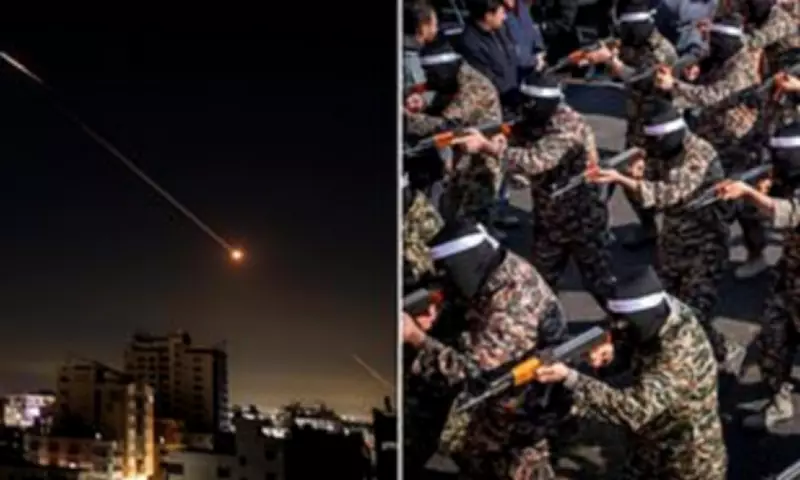
Overnight, an Iranian drone struck the British RAF Akrotiri base in Cyprus, intensifying fears that Tehran's military capabilities could extend further into Europe. This incident has prompted urgent warnings about the potential activation of sleeper agents to unleash chaos across the continent. The conflict in the Middle East escalated sharply on Monday, with Iran and its proxy militias launching attacks on Israel and Arab states, marking a significant expansion of hostilities.
Escalation of Middle East Conflict and Global Fallout
The recent violence traces back to the killing of Iranian Supreme Leader Ayatollah Ali Khamenei over the weekend, which triggered a wave of retaliatory actions. As Iranian missiles continue to target areas around the Gulf, global anxiety is mounting over the possibility of a broader war. The fallout from these clashes is being felt worldwide, with Iran's aggressive responses stoking concerns about regional stability and international security.
Iran's Missile Arsenal and European Reach
Iran is believed to possess the largest and most diverse missile arsenal in the Middle East, though exact numbers are obscured by the regime's secretive "missile cities" and lack of transparency. Despite Israeli strikes on Iran's nuclear facilities during last year's 12-Day War, many shorter-range systems capable of hitting neighbouring countries and US bases in the region have survived. Of particular concern is the Khorramshahr 4 missile, which has a range of 2,000 to 3,000 miles and can carry a 1,500kg warhead, potentially reaching parts of Europe including Greece, Italy, Germany, Poland, and Denmark.

Sleeper Cell Threats in Europe
Fears are also growing that Iran may activate sleeper terror cells across Europe. These covert groups, often linked to state or non-state actors like terrorist organisations, infiltrate countries and remain dormant until activated for terrorism, espionage, or sabotage. Marc Henrichmann, a member of the German parliament's intelligence committee, warned that the conflict will not remain confined to the Middle East, citing Iran's history of carrying out terror beyond its borders. He emphasised that "Iranian sleeper cells in Europe cannot be ruled out" as part of Tehran's retaliation strategy, urging heightened vigilance.
UK and Western Security Responses
In response to the drone strike on Cyprus, the UK Ministry of Defence evacuated families from the RAF Akrotiri base as a precautionary measure. The assassination of Ayatollah Khamenei has already prompted a review of the UK's terror threat level, currently at "substantial," meaning an attack is judged likely. MI5 reported last year that Iran was behind 20 potentially deadly plots in the UK over a 12-month period. Defence Secretary John Healey highlighted the risk of "increasing Iranian indiscriminate retaliatory attacks," noting that force protection in the region is at its highest and alert levels in the UK are elevated.
International Coordination and Divisions
European leaders, including Keir Starmer, Emmanuel Macron, and Friedrich Merz, have pledged to "take steps to defend our interests and those of our allies in the region," potentially through defensive actions to destroy Iran's missile and drone capabilities. They plan to collaborate with the US and regional allies. However, divisions persist within Europe; for instance, Spain's Prime Minister Pedro Sanchez condemned US-Israeli strikes, while German Chancellor Friedrich Merz cautioned against lecturing allies. The EU's joint statement called for respect of international law and urged Iran to halt its missile programme, but interpretations vary on whether this implicitly criticises US and Israeli actions.

Broader Regional Impact and Casualties
The conflict has resulted in significant casualties and disruptions. In Bahrain, one person was killed by shrapnel from an intercepted missile, with the kingdom reporting 61 missiles and 34 drones launched against it. Israel has seen 11 deaths, including nine in a synagogue strike in Beit Shemesh. Lebanese airstrikes have killed at least 31 people, with roads gridlocked as civilians flee. The US has reported three service member deaths, and attacks have targeted locations like the US Embassy in Kuwait and Baghdad airport. Iran's foreign minister has suggested military units may act independently, complicating diplomatic efforts.
As strikes continue in Iran, with US President Trump vowing to pursue objectives until achieved, the provisional governing council in Tehran is expected to name a new supreme leader amid internal dissent. The situation remains fluid, with ongoing concerns about Iran's ability to project power beyond the Middle East and the readiness of sleeper cells in Europe, underscoring the urgent need for coordinated international security measures.