Iranian Missile Strikes Wound 200 in Southern Israel, Air Defenses Falter
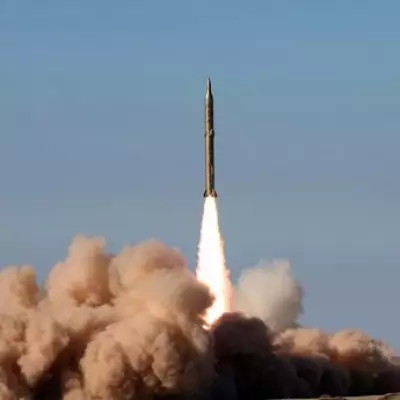
Iranian missile strikes have resulted in approximately 200 injuries in southern Israel, following a significant failure of air defense systems to intercept incoming projectiles. The attacks targeted the cities of Arad and Dimona, both located in close proximity to a nuclear facility, escalating tensions in the ongoing Middle East crisis.
Casualties and Emergency Response
Among those injured were a 12-year-old boy and a five-year-old girl, both reported to be in serious condition. Early indications from Israeli broadcaster Channel 13 suggested possible fatalities, though official confirmation remains pending. In a separate incident in Tel Aviv, 15 individuals sustained injuries from a cluster bomb attack, further straining emergency services.
Soroka hospital in Beersheba declared a mass-casualty incident as teams responded to multiple impact sites. Eli Bin, chief executive of Magen David Adom, Israel's ambulance service, described the scene in Arad as "an event of enormous magnitude," with concerns that some people may be trapped in damaged buildings and others unaccounted for.

Investigation into Air Defense Failures
The Israeli air force has initiated an investigation into the apparent failure to intercept the missile that struck Arad, while the Home Front Command is conducting a parallel inquiry into the circumstances of the impact. Brig Gen Effie Defrin, an IDF spokesperson, stated on social media that air defense systems operated but did not intercept the missile, emphasizing that this type of munition is not unfamiliar and that lessons will be learned from the incident.
Preliminary assessments indicate that one missile, carrying a conventional warhead weighing several hundred kilograms, struck between residential buildings, causing structural damage and igniting fires. Unverified reports suggest one building partially collapsed with people inside, and another caught fire, raising fears that the death toll could increase as rescue operations persist.
Context and International Reactions
The strikes on Dimona, a city near the Shimon Peres Negev Nuclear Research Center, are believed to be in response to alleged attacks by the US and Israel on nuclear facilities in Bushehr and Natanz, according to Iranian state-linked media. Iran's Tasnim news agency claimed that "no area is safe from Iranian missiles," though this statement could not be independently verified.
The International Atomic Energy Agency reported no indication of damage to the nuclear facility or abnormal radiation levels, but reiterated calls for military restraint to avoid nuclear accidents. In Israel, air raid sirens were triggered multiple times in Dimona overnight, highlighting the ongoing threat despite recent easing of wartime restrictions in the area.
Ongoing Rescue Efforts and Statements
Police commissioner Danny Levy, speaking at the strike site in Arad, stated that authorities do not believe anyone is missing, but searches of the rubble continue using advanced technology and manual methods. The Home Front Command investigation revealed that most injured individuals were not inside bomb shelters, with the mother of the injured boy noting he had not reached shelter in time.
Israeli Prime Minister Benjamin Netanyahu issued a statement describing a "very difficult evening in the campaign for our future" and vowed to continue striking enemies on all fronts with determination. As emergency teams work tirelessly, the situation underscores the mounting pressure on Israel's air defense systems amid escalating Iranian strikes.