Iranian Drone and Missile Strike Hits UAE's Key Fujairah Oil Hub
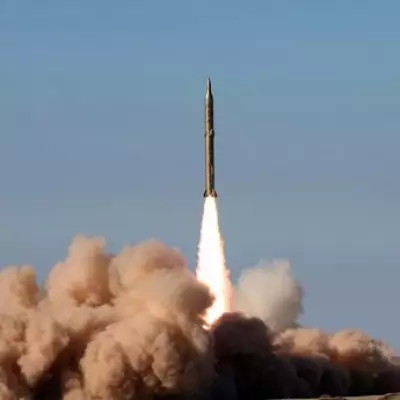
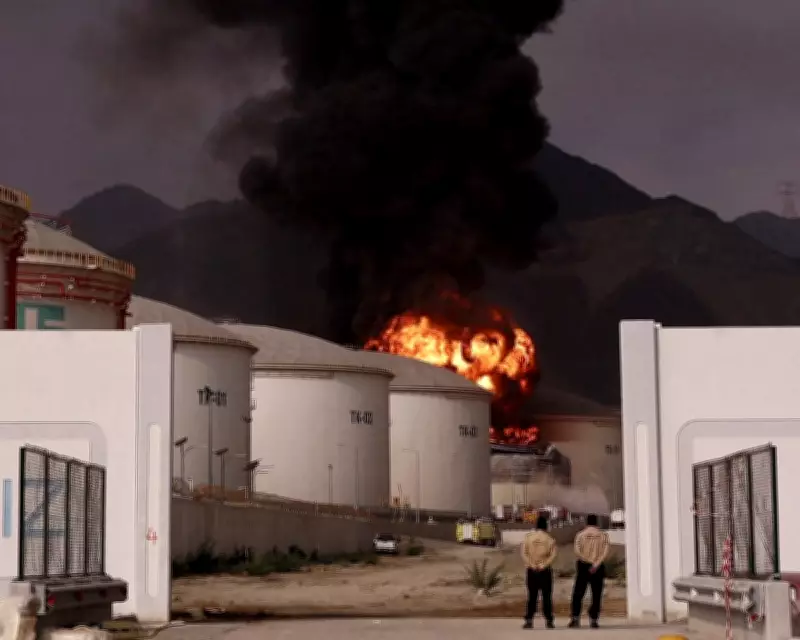
The Fujairah oil industry zone, the United Arab Emirates' largest port and primary oil storage facility, has been struck by Iranian drones and missiles. This aggressive move signals a significant escalation in the ongoing high-stakes war, with Iran demonstrating its willingness to target critical infrastructure across the Gulf region.
Economic and Human Costs Mount Rapidly
The first six days of the Iran conflict have already cost the United States an estimated $12.7 billion, with the Pentagon now seeking up to $200 billion in additional military funding. Global oil prices have surged to $125 per barrel, a level once considered unrealistic. The Ras Laffan liquefied natural gas plant in Qatar, the world's largest, may remain partially closed for five years, incurring annual losses of $20 billion.
Other vulnerable oil depots throughout the Gulf, from Bahrain to Abu Dhabi, are now exposed to Iran's low-cost drone technology. The human toll is staggering, with over 18,000 civilians injured and more than 3,000 killed in Iran alone since hostilities began.

Iran's Strategy of Escalation and Asymmetric Warfare
The regime in Tehran, fighting for its survival, had repeatedly warned that any attack would trigger retaliation against American bases in the region. Despite these warnings, US President Donald Trump appeared surprised when Iran followed through on its threats. The late Supreme Leader Ali Khamenei stated in early February that any American-initiated war would inevitably become a regional conflict.
Iran has explicitly threatened that attacks on its energy facilities would mark a new phase in the conflict. The recent assassination of Iranian security chief Ali Larijani, who had urged Gulf states not to side with Israel, has further complicated diplomatic efforts. Iran's leadership, with little to lose, leverages an asymmetric advantage through fear, potentially targeting critical infrastructure like desalination plants that sustain the Gulf's fragile ecosystem.
International Divisions and Diplomatic Paralysis
European leaders, including Italian Prime Minister Giorgia Meloni, face mounting concerns over potential recession and refugee crises stemming from a destabilized Iran. Meloni has advocated for border closures in preparation. European involvement in securing the Strait of Hormuz remains politically risky, as the continent was not consulted on the war's initiation despite predicting its consequences.
Within the White House, President Trump is reportedly furious with European allies, his MAGA critics, and administration officials. His relationship with Israel, the cornerstone of the war effort, is straining under diverging objectives with Gulf states. Trump has acknowledged disagreements with Israeli Prime Minister Benjamin Netanyahu over military targets, highlighting coordination challenges.
Potential Pathways to Conflict Resolution
Diplomatic efforts have largely stalled, with few viable off-ramps visible. Three potential outcomes exist:
- Prolonged Conflict Ending in Iranian Capitulation: Some analysts, like former Foreign Office permanent secretary Simon McDonald, suggest Israel could achieve its objectives given Netanyahu's longstanding focus on countering Iran.
- Unilateral US Declaration of Victory: Trump could potentially claim success in degrading Iran's military capabilities and withdraw, though this assumes Iranian compliance.
- Negotiated Settlement: A de-escalation leading to peace, possibly through regional non-aggression treaties or nuclear transparency agreements, though trust has been severely damaged.
Saudi Foreign Minister Prince Faisal bin Farhan emphasized that Iran miscalculated if it believed Gulf states were incapable of responding. With trust shattered, the region faces continued destruction, leaving Iran's Nowruz new year celebrations devoid of any meaningful renewal or hope for peace.