Iran's Leadership in Turmoil After Khamenei Killed in Joint US-Israel Operation
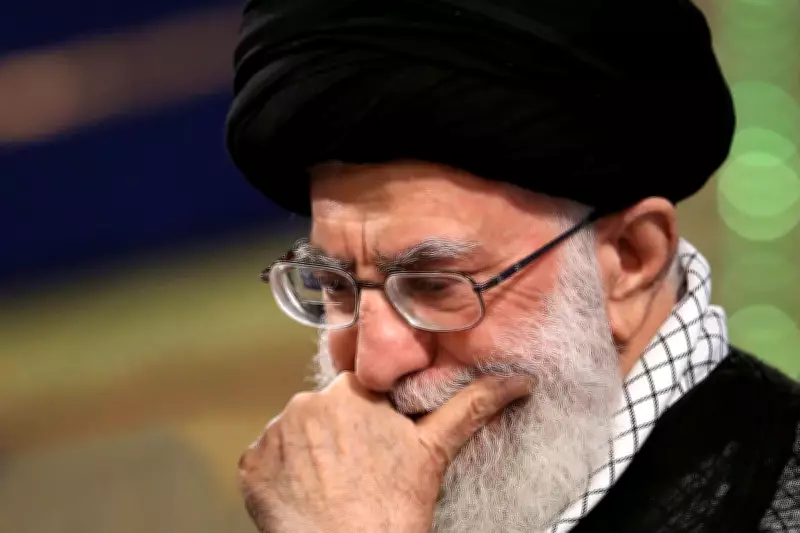
Supreme Leader Ayatollah Ali Khamenei, Iran's commander-in-chief and ultimate authority on all policy and religious matters, has been killed following coordinated military strikes by the United States and Israel. The 86-year-old leader, who held final decision-making power since 1989, died when one of the initial strikes hit near his offices on Saturday. US President Donald Trump confirmed the death, describing Khamenei as "one of the most evil people in history" and calling on the Iranian public to "seize control of your destiny."
The Supreme Leader's Legacy and Power Structure
Ali Khamenei ascended to the position of Supreme Leader in 1989 following the death of Ruhollah Khomeini, founder of the Islamic Republic of Iran. He played a significant role in the 1979 revolution that overthrew Shah Mohammad Reza Pahlavi. As commander-in-chief, Khamenei directly controlled Iran's paramilitary Revolutionary Guard, the force responsible for safeguarding the Islamic Republic. His tenure included multiple crackdowns on protesters, and he had recently stated Iran was prepared to retaliate against any American attack.
Key Political Figures in Post-Khamenei Iran
President Masoud Pezeshkian: The reformist president, a former heart surgeon who took office in July 2024, serves as Iran's second-highest ranking official. As head of government, he manages daily administration, economic policy, and implements the Supreme Leader's decrees. Iranians elect both president and parliament for four-year terms.

Foreign Minister Abbas Araghchi: Appointed in August 2024, this longtime diplomat was a key negotiator in the now-defunct 2015 nuclear deal. Days before Saturday's attack, Araghchi warned that conflict with the US would be "a devastating war" while expressing Tehran's interest in peaceful solutions.
Chief Justice Gholam Hossein Mohseni Ejehi: A conservative jurist and hard-line prosecutor serving as chief justice since 2021, Mohseni Ejehi is widely regarded as a Khamenei loyalist. In January, he stated there would be "no leniency" for those behind recent waves of unrest.
Influential Advisers and Religious Authorities
Ali Larijani: Hailing from one of Iran's most prominent political families, this former parliamentary speaker serves as Khamenei's adviser on public policy. The US imposed sanctions against him in January for allegedly repressing nationwide protests.
Mohammad-Ali Movahedi Kermani: As head of the 88-seat Assembly of Experts, this cleric leads the body responsible for appointing Iran's next Supreme Leader, functioning similarly to the Vatican's College of Cardinals.
Ahmad Jannati: Secretary of the Guardian Council, Jannati leads the 12-member body that vets candidates for office and legislation, ensuring alignment with Iran's Islamic theocratic system. The council can disqualify presidential candidates perceived as insufficiently loyal.
Additional Key Figures in Iran's Power Structure
- Mohammad Golpayegani: Islamic cleric and longtime confidant who heads the Supreme Leader's office as chief of staff
- Ali Akbar Velayati: Physician and former foreign minister who advises on international affairs and nuclear policy
- Kamal Kharazi: Trusted foreign policy adviser involved in recent nuclear talks with Washington
- Mohammad Reza Aref: Highest-ranking reformist in the executive branch who serves as first vice president
- Mohammad Bagher Ghalibaf: Conservative parliamentary speaker and former Tehran mayor linked to student crackdowns
- Ahmad Khatami: Influential Friday prayer imam and Guardian Council member who called for death penalties for protesters
Succession Considerations and Family Influence
Mojtaba Khamenei: The Supreme Leader's second-eldest son, a midranking cleric rumored as potential successor, maintains close ties with Iran's Revolutionary Guard. Having served during the Iran-Iraq war, Mojtaba wields considerable behind-the-scenes influence as his father's gatekeeper.

The death of Ali Khamenei creates unprecedented uncertainty within Iran's complex political and religious hierarchy. With the Assembly of Experts now tasked with selecting a new Supreme Leader, the balance between reformist and conservative factions will determine Iran's future direction amid heightened international tensions.