Iran's New Supreme Leader Issues Defiant Warning in First Public Address Since War Began
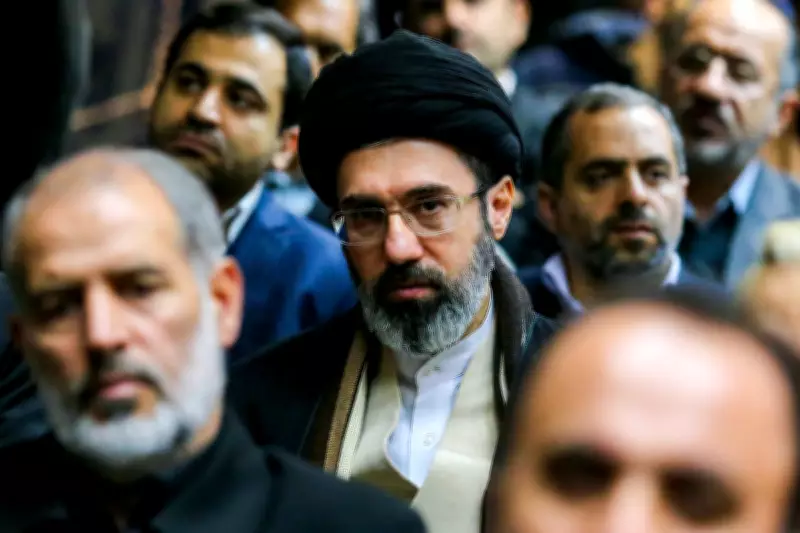
Iran's newly appointed supreme leader, Mojtaba Khamenei, has delivered a defiant first public statement since the outbreak of hostilities, threatening new attacks on United States military installations and vowing to avenge the blood of Iranian martyrs. The 56-year-old leader, who recently succeeded his late father, made these remarks in a televised address broadcast on state-controlled media channels.
Direct Threats Against US Military Presence
In his strongly worded declaration, Khamenei explicitly called for the closure of all American bases across the region. He asserted that Iran maintains a policy of "friendship" toward neighboring nations, despite ongoing military strikes and regional disruptions that have characterized the conflict. This juxtaposition of diplomatic rhetoric alongside military threats underscores the complex geopolitical positioning Tehran is attempting to navigate.
Continuation of Strategic Blockade
The supreme leader signaled his intention to maintain Iran's blockade of the strategically vital Strait of Hormuz, describing this maritime choke point as a crucial "tool of leverage" to exert pressure on the United States. This waterway, through which approximately one-fifth of global oil shipments pass, represents one of Tehran's most significant economic and military bargaining chips in the ongoing confrontation.
Vengeance for Fallen Combatants
Khamenei's address contained repeated references to avenging what he described as "the blood of martyrs," suggesting that retaliatory actions against perceived aggressors would form a central component of his leadership approach. This rhetoric aligns with longstanding Iranian revolutionary ideology that venerates sacrifice in conflict while simultaneously justifying escalatory measures.
Regional Implications and International Response
The supreme leader's statements arrive at a critical juncture in the conflict, with regional stability hanging in the balance. His dual messaging—combining threats against foreign military assets with assertions of neighborly goodwill—creates a paradoxical narrative that complicates diplomatic efforts. International observers are closely monitoring how Western powers, particularly the United States, will respond to these provocative declarations from Iran's highest authority.
As the war enters a new phase under different leadership, Khamenei's inaugural address establishes a confrontational tone that suggests little deviation from his predecessor's hardline policies. The emphasis on military retaliation, economic pressure through maritime blockades, and ideological commitment to martyrs' vengeance paints a picture of continued escalation rather than diplomatic resolution in the near term.