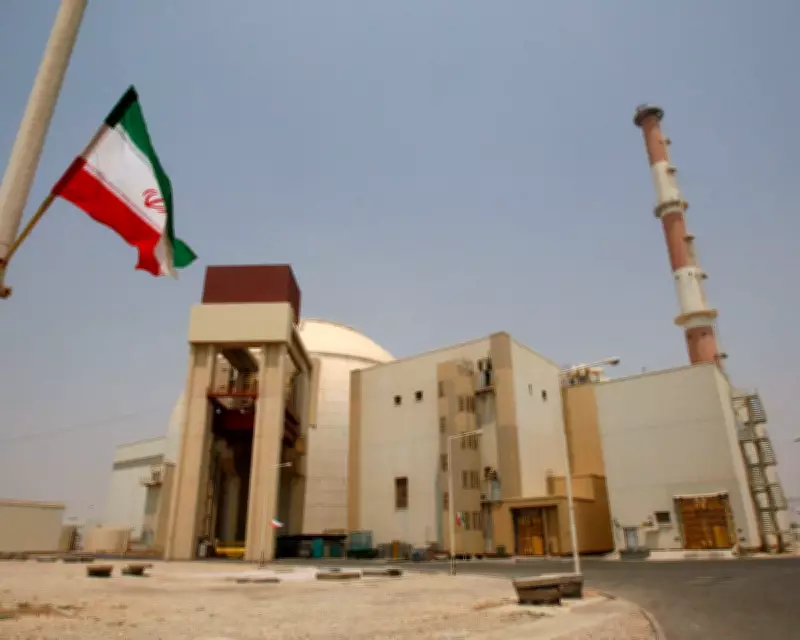
An Iranian flag waves prominently before the reactor building of the Bushehr nuclear power plant, situated just outside the southern city of Bushehr. This powerful image symbolises a national project that has defined Iran's international relations for decades.
The Ideological Core of Iran's Nuclear Stance
A frantic effort to prevent open warfare between the United States and Iran is currently underway, yet finding mutual understanding on Tehran's nuclear ambitions has grown increasingly complex. This difficulty stems from escalating American demands and Iran's profoundly ideological, nationalist commitment to maintaining its right to enrich uranium on its own soil.
Iran's nuclear aspirations significantly predate the establishment of the Islamic Republic in 1979. Their origins can be traced to the mid-1970s when the Shah announced ambitious plans to construct twenty civil nuclear power stations. This declaration triggered a competitive rush among Western nations, including the United Kingdom, to secure a role in the lucrative venture.
A Costly Pursuit of Sovereignty
Fundamentally, the programme has always been driven by a desire for national sovereignty and technological independence, epitomised by mastering the uranium enrichment cycle. However, the exorbitant price Iran has paid to assert this right—through devastating US sanctions, severe economic distress, and mounting political instability—prompts serious questions about the underlying motivations and ultimate cost-benefit analysis.
When questioned recently about the rationale behind persisting with such a costly project, Iranian Foreign Minister Abbas Araghchi pointed to Iran's sovereign rights under international treaties, potential medical applications, and the sacrifices of assassinated nuclear scientists. He floated a potential compromise involving an international consortium operating within Iran but remained adamant that enrichment must occur inside the country, a principle he described as non-negotiable.
Searching for Rationale in Nationalist Obsession
Experts suggest that seeking a purely pragmatic explanation for Iran's attachment to nuclear enrichment may be futile. According to Professor Ali Ansari, a historian, the drive is "deeply ideological, almost an obsession with national prestige." It functions as a tool for political messaging, highlighting perceived Western hypocrisy and nurturing a sense of grievance, even as the uncompromising stance inflicts severe damage on the domestic economy.
This pursuit is presented as a fundamental national right, yet critics argue it comes at the direct expense of other civil liberties and public services that the Iranian population desperately needs, such as improved healthcare and education systems.
Historical Foundations and Modern Stalemate
The modern nuclear endeavour began in earnest in 1974, fueled by oil wealth and a drive for energy self-sufficiency. Initial partnerships were sought with European nations, including a proposed joint UK-Iran nuclear company that would have involved sharing technical expertise, including enrichment knowledge—a decision later regretted by some Western officials.
Since Iran commenced uranium enrichment in 2006, its relations with the West have been dominated by this single issue. The debate has continuously revolved around the programme's ultimate purpose and the conditions under which Iran could legitimately enrich uranium. There have been fleeting moments of diplomatic progress, such as the 2013 suspension, and periods of intense confrontation, particularly during the presidency of Mahmoud Ahmadinejad, who vociferously defended Iran's "inalienable right."
By the time of the 2015 nuclear agreement, domestic enrichment had been elevated to an "absolute right" and a non-negotiable "red line" for the Iranian leadership.
Strategic Leverage and Intractable Demands
Some analysts posit that the programme's value lies not only in potential energy or weapon options but also as a crucial piece of diplomatic leverage, ensuring Iran remains a relevant player on the global stage. However, the path to any new agreement has been further obstructed by expanding US demands, which now include limits on Iran's missile programme and an end to regional proxy support.
The missile programme is considered a cornerstone of Iranian defence doctrine. The supreme leader, Ali Khamenei, has forcefully rejected any notion that the age of missiles has passed, framing military power as an essential deterrent in a "jungle-like world." This ideology continues to shape the boundaries within which Iranian negotiators, like Araghchi, must operate, making compromise exceptionally difficult.
Ultimately, Iran's nuclear ambition represents a decades-long, costly, and ideologically charged struggle for sovereignty and prestige, one that continues to destabilise the region and challenge international diplomacy.