Israel has prevented a private Canadian delegation, which included six sitting members of Parliament, from entering the occupied West Bank, sparking a diplomatic protest from Ottawa.
Denial at the Border and Allegations of Mistreatment
The incident occurred on Tuesday 16 December 2025 at the Allenby border crossing between Jordan and the Israeli-occupied West Bank. The Israeli Embassy in Canada stated the group was barred due to its association with Islamic Relief Worldwide, a non-governmental organisation which Israel designates as a terror group.
One of the MPs, Iqra Khalid from Prime Minister Mark Carney’s Liberal party, reported being physically shoved several times by Israeli border officials. She said the confrontation happened after she tried to check on another delegation member who was pulled aside for questioning. Khalid noted the officials were aware of her status as a lawmaker, as they had taken her special parliamentary passport.
Reasons and Repercussions
In its statement, the Israeli Embassy was unequivocal: "Israel will not allow the entry of organizations and individuals who are associated with designated terror entities." It claimed the trip's sponsor, The Canadian-Muslim Vote, receives most of its funding from Islamic Relief Canada, a subsidiary of the proscribed group.
The delegation, comprising roughly 30 people, had planned to meet with displaced Palestinians. Their visit was scheduled amid recent Israeli government approval for 764 new homes in West Bank Jewish settlements.
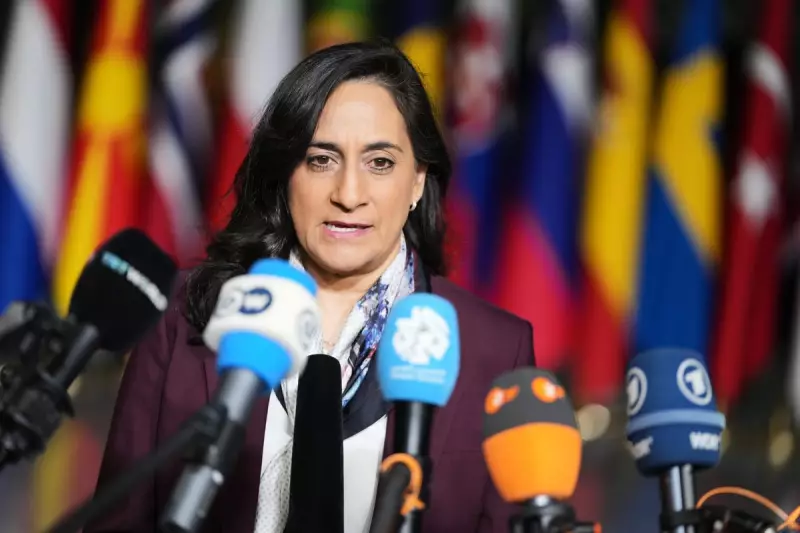
In response, Canadian Foreign Minister Anita Anand posted on social media that Canada had expressed its "objections regarding the mistreatment of these Canadians." British Columbia New Democrat MP Jenny Kwan revealed the group's electronic travel authorisations were revoked "on the day of our arrival."
Broader Diplomatic Context
The National Council of Canadian Muslims said Israel's refusal raises serious concerns about transparency and accountability. This tension follows a significant shift in Canadian foreign policy. In September, Canada joined other nations in recognising a Palestinian state, a move that placed it at odds with the United States but which it argued could pave the way for a two-state peace solution.
The blocking of the parliamentary delegation marks a new, tangible friction point stemming from that policy change, testing diplomatic channels between the two nations.