Israel Strikes Beirut and Tehran as Iran Launches New Missile and Drone Attacks
Iran has launched another significant wave of ballistic missiles and drones, with Gulf states reporting successful interceptions of incoming attacks as the conflict intensifies dramatically. The Associated Press reported on Saturday, 07 March 2026, that the situation is escalating rapidly with no immediate end in sight.
Gulf States Intercept Attacks Amid Rising Tensions
Saudi Arabia confirmed early Saturday that it had stopped four drones targeting the massive Shaybah oil field, marking the second such attack within hours. In Dubai, residents reported hearing several loud blasts in the morning, with Emirati authorities describing the incident as "a minor incident resulting from the fall of debris after an interception." Emirati air defenses were activated in response to the missile threat, and mass mobile phone alerts were sent to the public urging immediate shelter.
Passengers at Dubai International Airport, the world's busiest hub for international travel, were ushered into train tunnels for safety after missile alerts sounded, causing significant disruption.
Israeli Airstrikes Target Beirut and Tehran
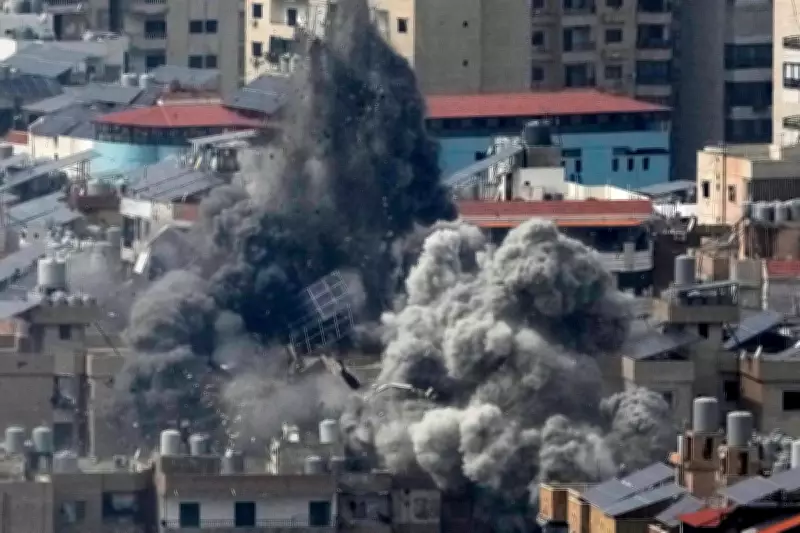
Meanwhile, Israeli warplanes conducted heavy strikes on Beirut and Tehran. Explosions echoed across Iran's capital, Tehran, on Saturday morning as new airstrikes hit the city, apparently targeting downtown areas and government buildings. In Israel, loud booms were heard as Iranian missiles attacked more targets, prompting people to head to bomb shelters, though no immediate casualties were reported by emergency services.
Death Toll Rises and International Involvement Grows
The death toll continued to climb on Saturday, with officials reporting at least 1,230 people killed in Iran, more than 200 in Lebanon, and around a dozen in Israel. Additionally, six U.S. troops were reported killed in the conflict.
In a concerning development, two officials familiar with U.S. intelligence revealed that Russia has provided Iran with information that could assist Tehran in striking American warships, aircraft, and other assets in the region. This marks the first indication that Moscow is seeking involvement in the war.
U.S. Response and Political Reactions
The war's intensity shows no signs of abating. The administration of U.S. President Donald Trump approved a new $151 million arms sale to Israel after Trump stated he would not negotiate with Iran without its "unconditional surrender." During a White House meeting, Trump rebuked a reporter for asking about possible Russian involvement, calling it a "stupid question" and emphasizing focus on other matters.
As the conflict expands, with multiple fronts and increasing international stakes, the region faces heightened instability and humanitarian concerns, with further escalation likely in the coming days.