Israeli Airstrikes Target Hezbollah in Beirut After Missile Barrage
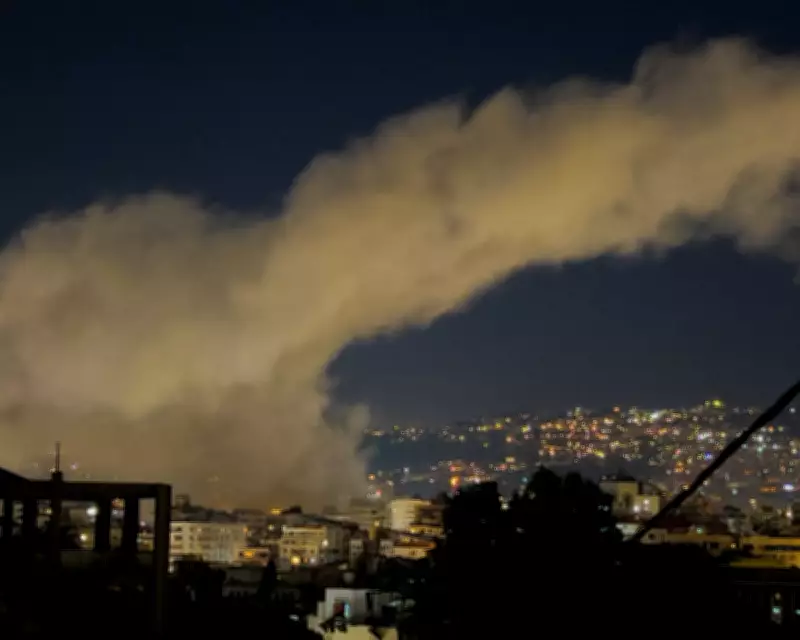
Israel conducted heavy airstrikes on the Hezbollah-controlled southern suburbs of Beirut early Monday, following a missile and drone attack by the Iran-backed group towards Israel. The strikes mark a significant escalation in regional tensions, with residents reporting dozens of blasts and widespread damage.
Retaliation and Response
Hezbollah stated it launched missiles at the Mishmar al-Karmel missile defence facility near Haifa around midnight, in retaliation for the killing of Iran's Supreme Leader Ali Khamenei. "In defence of Lebanon and its people," the group declared. Israel responded hours later, targeting Hezbollah locations across south Lebanon, the Bekaa valley, and the Beirut suburb of Dahieh.
The Israeli military claimed the strikes killed several senior Hezbollah officers. Lt Gen Eyal Zamir, chief of the Israeli military, warned, "Hezbollah opened a campaign against Israel overnight and is fully responsible for any escalation. Any enemy that threatens our security will pay a heavy price."

Evacuations and Chaos
Israeli authorities issued evacuation orders for 55 villages and towns in Lebanon, urging people to move at least 1,000 meters away from Hezbollah facilities. This followed the deployment of 100,000 Israeli reservists along the border on Sunday.
In Beirut, streams of people fled Dahieh by car and foot, causing gridlock on highways. Videos showed buildings engulfed in flames and burnt-out cars amid the rubble. Witnesses reported rocket barrages from south Lebanon towards Israel, heightening fears of a broader conflict.
Historical Context and Fears
The memory of the 13-month war between Israel and Hezbollah that ended in 2024 loomed large, with concerns that Dahieh, the Bekaa valley, and southern areas could become uninhabitable again. During that war, Israeli bombings killed nearly 4,000 people and displaced a million.
Families quickly devised evacuation plans as the number of displaced grew. Lebanese prime minister Nawaf Salam condemned Hezbollah's actions without naming the group, stating, "The rocket fire from southern Lebanon is an irresponsible and suspicious act that jeopardises Lebanon's security and provides Israel with pretexts to continue its aggression."
Diplomatic Tensions
Lebanese officials had worked to prevent Hezbollah from joining a potential war with Iran, as Israel warned that any attack would trigger a wide-ranging response against Lebanon. The situation remains volatile, with ongoing strikes and evacuations underscoring the risk of further escalation.