Israel Intensifies Tehran Strikes as Iran Threatens Gulf Power Plants
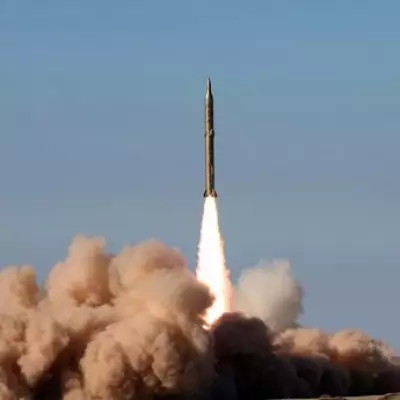
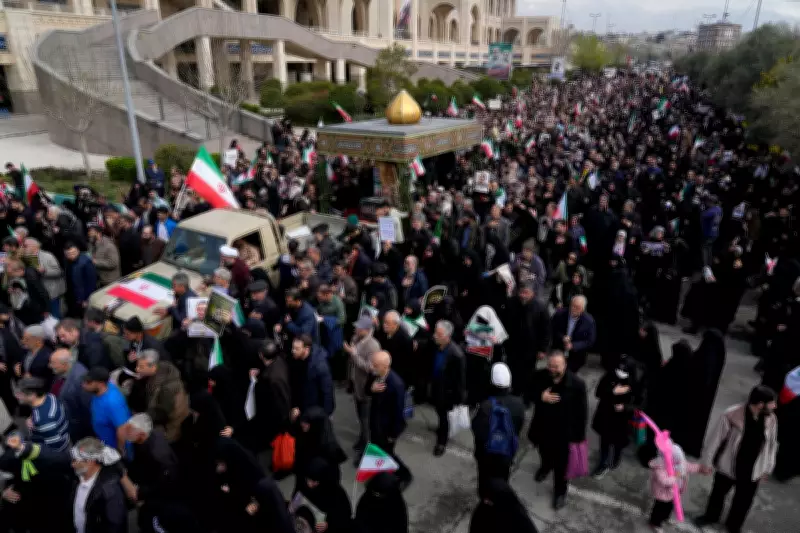
Israel has launched a new wave of attacks against Tehran, with a top American commander urging Iranian civilians to remain in shelters indefinitely as the Middle East conflict enters its fourth week with no signs of abating. The situation escalated further as Iran renewed strikes on Gulf neighbours and issued threats to target their power plants.
Escalating Threats and Military Actions
Early Monday, Israel initiated what its military described as "a wide-scale wave of strikes" on infrastructure targets in Tehran, though specific details were not immediately provided. Concurrently, Iran's paramilitary Revolutionary Guard issued a stark warning: if the United States follows through with President Donald Trump's threat to "obliterate" Iranian power plants, Iran will retaliate by striking power facilities supplying electricity to American bases, along with economic, industrial, and energy infrastructures where Americans hold shares.
"Do not doubt that we will do this," the Guard declared in a statement broadcast on Iranian state television.

US Ultimatum and Regional Fallout
President Trump issued a 48-hour deadline for Tehran to open the Strait of Hormuz to all ships, threatening to destroy Iran's power plants if compliance is not met. This strategic waterway, through which a fifth of the world's oil passes, remains under Iran's tight control, with only a trickle of ships permitted through—excluding vessels from the US, Israel, and their allies.
United States Central Command chief Admiral Brad Cooper, in an interview with Iran International, advised Iranian civilians to "stay inside for right now" and await a clear signal before emerging. He accused Iran of launching missiles and drones from populated areas, suggesting these locations could become targets.
Regional tensions manifested in multiple incidents:
- Air defences in the United Arab Emirates intercepted a ballistic missile near Al Dhafra Air Base in Abu Dhabi, resulting in one injury from shrapnel.
- Warning sirens sounded in Bahrain and Kuwait.
- Saudi Arabia's Defence Ministry reported intercepting a missile targeting Riyadh and destroying drones over the oil-rich Eastern Province.
Economic and Humanitarian Impact
The conflict has triggered significant economic disruptions:
- Brent crude oil prices have surged nearly 55% since the war began on February 28, reaching approximately $112 per barrel.
- Global stock markets are experiencing wild fluctuations amid fears of an energy crisis.
Humanitarian costs continue to mount:
- Iran's health ministry reports over 1,500 fatalities.
- Israel has recorded 15 deaths from Iranian strikes.
- More than a dozen civilians have been killed in the occupied West Bank and Gulf Arab states.
- In Lebanon, Israeli strikes targeting Iran-linked militia Hezbollah have allegedly killed over 1,000 people and displaced more than 1 million, while Hezbollah has fired hundreds of rockets into Israel.
Strategic Calculations and Future Prospects
Admiral Cooper asserted that the US-Israel campaign against Iran is "ahead or on plan," focusing on destroying infrastructure and manufacturing facilities to eliminate Iran's future military capabilities. "We're eliminating the threat of the future," he emphasised, referring to drones, missiles, and naval assets.
He suggested Iran could end the war immediately by ceasing hostilities, though he did not clarify whether this would halt US-Israeli operations before all infrastructure targets are destroyed. "They could stop this war right now, absolutely, if they chose to do so," Cooper stated, urging Iran to stop endangering civilians by firing from populated areas.
Iranian officials have linked the Strait of Hormuz closure directly to US actions, with Foreign Minister Abbas Araghchi blaming insurance companies' reluctance to cover shipping through the strait on American aggression. Parliament speaker Mohammad Bagher Qalibaf warned that if the US attacks Iranian power plants, Iran would consider regional energy and desalination facilities—vital for Gulf nations' drinking water—as legitimate targets.

As the conflict persists, the international community watches anxiously, with diplomatic efforts yet to yield a breakthrough in this rapidly evolving crisis.