Israel Threatens Land Seizure in Lebanon After Intense Beirut Bombing Campaign
Israel has issued a stark threat to take Lebanese land and expand its military operations, following the heaviest night of bombing on Beirut since the conflict with Hezbollah erupted ten days ago. The escalation comes as the US-Israeli war with Iran continues to spiral, with Hezbollah launching dozens of rockets and drones at northern Israel and vowing further attacks.
Unprecedented Bombing Raids and Civilian Casualties
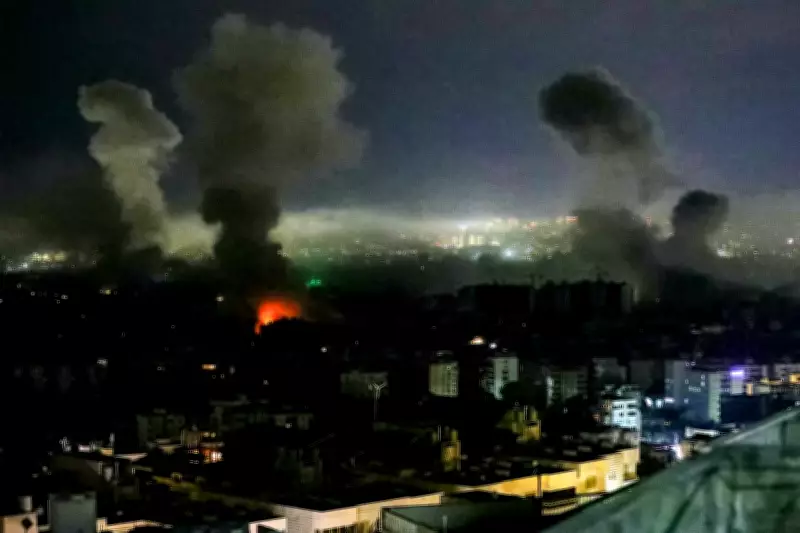
Aircraft roared over Lebanon's capital overnight, with fiery explosions illuminating the sky as Israel struck nearly a dozen locations in Beirut's southern suburbs within just half an hour. In a separate salvo along the iconic waterfront, at least eight people were killed, including displaced families sleeping rough after fleeing their homes. The attacks have exacerbated an already dire humanitarian situation, with over 810,000 people uprooted in Lebanon, a quarter of them children, and 630 fatalities reported.
Israeli Threats and Regional Escalation
Israeli Defence Minister Israel Katz announced on Thursday that the army would expand its operations into Lebanon in response to Hezbollah's assaults. He warned Lebanese President Joseph Aoun that if the government fails to control its territory and prevent Hezbollah from threatening Israel, Israel would take the land and act unilaterally. This threat underscores the deepening crisis, as Lebanese President Aoun had sought urgent talks to halt the strikes and de-escalate the conflict.
Humanitarian Crisis and Health System Strain
The World Health Organisation has warned of an unprecedented crisis in the Middle East that could spin out of control. Dr. Hanan Balkhy, regional director, highlighted Lebanon's struggles amid a financial collapse, damage from previous conflicts, and limited medical supplies. There have been 25 attacks on healthcare facilities, resulting in 16 deaths and 29 injuries, with at least five hospitals forced to close due to direct fire or evacuation orders.
Hezbollah's Retaliation and Military Operations
Hezbollah, backed by Iran, stated it launched a series of operations involving rockets and drones on northern Israel, promising more strikes to come. The Israeli military reported firing 200 munitions from air and sea during Wednesday night's raid, targeting Hezbollah infrastructure, headquarters, and members of allied groups like Palestinian Islamic Jihad and Iran's Islamic Revolutionary Guard Corps. Since early March, Israel claims to have killed 100 Hezbollah members and destroyed 60 command centres.
Personal Accounts of Devastation
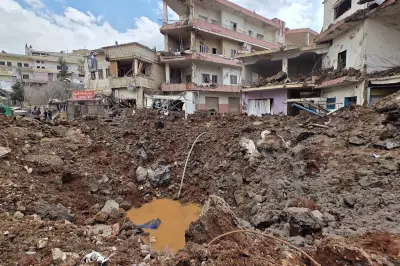
In Dahiyeh, a southern suburb of Beirut, smoke and dust rose from piles of rubble where buildings once stood, following Israeli evacuation orders. Fatima, a 48-year-old Syrian refugee and mother of six, described harrowing scenes after a strike near the waterfront where she was sleeping under tarpaulin. She recounted hearing deafening drones before explosions, witnessing bodies thrown in the air, severed limbs, and a man shredded by shrapnel. Lebanese soldiers evacuated the area over concerns of unexploded missiles, with bomb disposal teams working at the impact site.
Regional Context and Future Concerns
Lebanon was dragged into the regional conflict earlier this month when Hezbollah fired at Israel after US and Israeli strikes killed Iran's supreme leader. Despite potential US de-escalation in Iran, the war between Israel and Hezbollah appears to have only just begun. Mohamed, a Lebanese father displaced from border regions and living in his car, expressed fears of no end in sight, describing the bombing as deafening and the future uncertain.